Yes, it is possible for a foreigner to buy property in China, but the process is far from straightforward. The single most important prerequisite is that you must have legally worked or studied in China for at least one year before you can even begin the process. This rule is strictly enforced and is the first major hurdle for any non-citizen considering purchasing a home. Beyond this, you are generally limited to buying one property for self-use only, not for investment or rental purposes, although local enforcement of this can vary.
The Core Requirements for Foreign Buyers
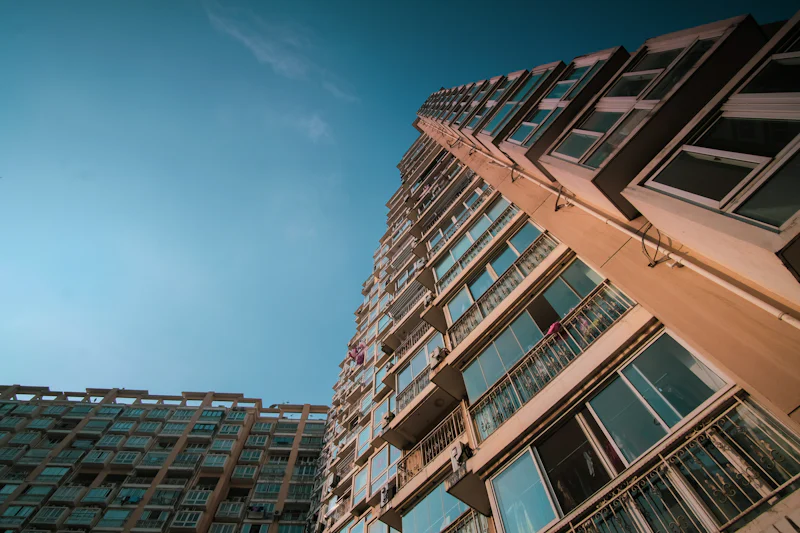
The one-year rule is non-negotiable. You’ll need to provide your passport with valid residence permit stamps and a signed letter from your employer or university to prove you’ve met this requirement. This rule ensures that only foreigners with a demonstrated, stable connection to China can purchase real estate. Furthermore, the property must be for residential self-use. You will likely need to sign a declaration stating that you do not own any other properties in mainland China. While some have found workarounds, officially, you cannot purchase property as a pure investment to rent out. The process itself requires a Chinese name, a local bank account, and navigating a sea of paperwork in Chinese.
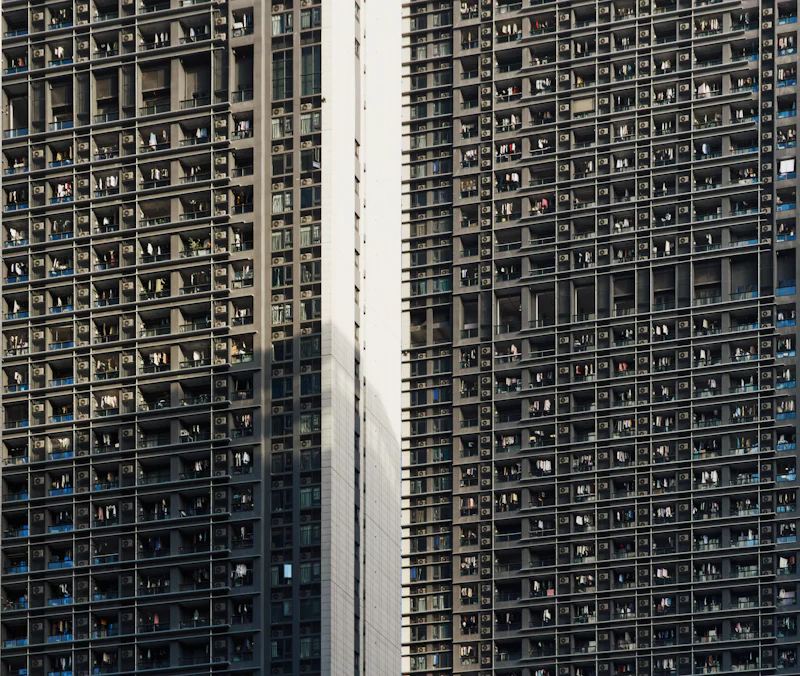
Understanding China’s Property Ownership Laws
A common point of confusion for foreigners is the nature of property ownership in China. Technically, you never own the land itself. All land in China is owned by the state. When you “buy” a property, you are actually purchasing two things: full ownership of the physical building (the apartment unit itself) and a long-term lease for the land it sits on. This is known as 土地使用权 (tǔdì shǐyòng quán), or land-use rights. For residential properties, this lease is typically 70 years. For commercial properties, it’s 40 years. While the law states these leases can be renewed, the exact process and cost for renewal after the 70-year term expires remains a gray area, as the first batch of these leases has not yet come up for renewal.
The Big Decision: Buying vs. Renting
Deciding whether to buy or rent involves more than just legal eligibility; it's a major financial and lifestyle choice. A key difference for foreigners, including Americans buying a house in China, is the long-term financial complexity.
Pros of Buying:
- Stability: You have a permanent base and are not subject to a landlord’s whims, such as sudden rent hikes or decisions to sell the property.
- Asset Building: While the explosive growth of the past has cooled, Chinese real estate can still be a significant asset. It forces a form of saving and investment.
- Personalization: You have the freedom to renovate and decorate your home exactly as you wish.
Cons of Buying:
- High Costs: Property in major cities like Beijing and Shanghai is among the most expensive in the world. Down payments are substantial, often requiring 30% or more for first-time buyers.
- Lack of Flexibility: Your life is tied to one location. If your job requires you to move to another city or country, selling a property can be a slow and complicated process.
- Capital Controls: This is a huge factor. Getting your money into China to buy is relatively easy. Getting it out after you sell is notoriously difficult due to strict capital controls. The process can take months and involves proving the legal source of funds with extensive tax documentation.
- The Lease Question: The uncertainty surrounding the 70-year lease renewal is a long-term risk to consider.
Renting, by contrast, offers maximum flexibility with minimal upfront financial commitment, which is often better suited to the transient nature of expat life.
Ultimately, buying property in China is a viable path for foreigners with a clear, long-term commitment to living in the country, but it's a decision that locks you in financially and geographically. For those who have gone through this process, what was the most unexpected challenge or piece of bureaucracy you encountered?
Quick Takeaways:
- You must prove you have worked or studied in China for at least one year.
- Foreigners are generally restricted to owning one property for personal use.
- You own the apartment structure but only lease the land, typically for 70 years.
- Be prepared for strict capital controls when trying to move money out of China.
#chinaproperty #foreignerbuypropertychina #expatlife