The most significant culture shocks in China are rarely the grand, architectural wonders or ancient traditions; they are the subtle, everyday interactions that redefine your concepts of privacy, communication, and convenience. While many arrive expecting language barriers, the real adjustment comes from navigating social norms that prioritize the collective over the individual and a digital ecosystem that integrates every facet of life into a single app. These small daily surprises, from the questions you’re asked to how you pay for a coffee, shape the true expat experience.
The Fluidity of Personal Space and Privacy
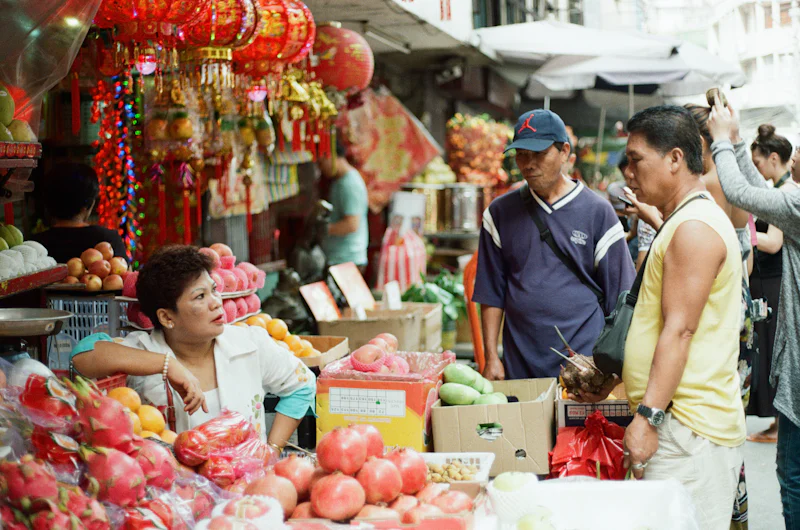
Many foreigners are initially taken aback by the directness of personal questions. It’s not uncommon for new acquaintances, colleagues, or even a taxi driver to ask your age, salary, or marital status within minutes of meeting you. This isn't intended to be intrusive; it's often a way of finding common ground and understanding your place within a social context. This ties into the concept of building 关系 (guānxì), or relationships, which are the bedrock of social and professional life. Similarly, the Western bubble of personal space is much smaller. Crowded subways, bustling markets, and shared dining tables mean physical proximity is normal and not a personal affront. Understanding that these norms stem from a collectivist culture can help reframe these experiences from uncomfortable to simply different.
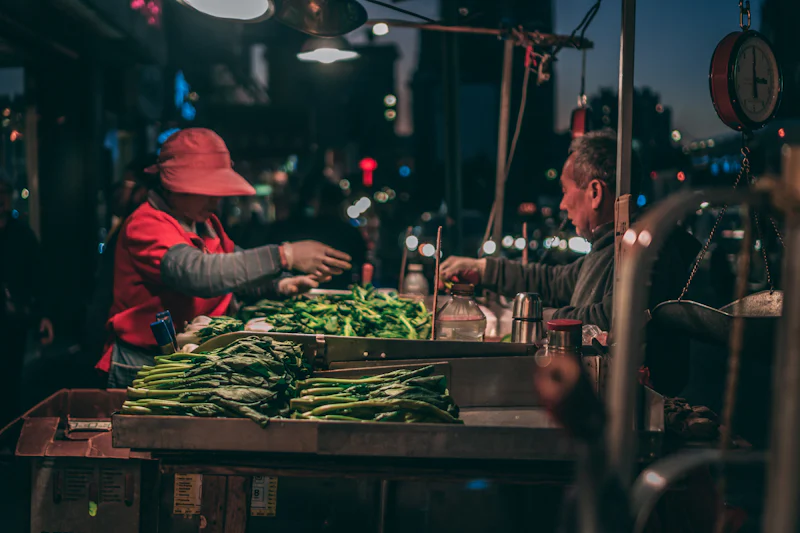
Hierarchy and Harmony in the Workplace
Office etiquette in China operates on unspoken rules that can be baffling for newcomers. The concept of 面子 (miànzi, or ‘face’) is paramount, influencing communication in profound ways. A direct “no” is often considered rude as it can cause someone to lose face. Instead, you'll hear ambiguous phrases like “we will study it” or “it might be difficult”, which usually mean the request is denied. Decisions are typically made by the person with the highest seniority, and it’s expected that their opinion is respected without open challenge in a group setting. Another surprise is the importance of shared meals. Team lunches are a daily ritual, and after-work dinners with clients or colleagues, often involving copious amounts of baijiu, are essential for sealing deals and fostering loyalty. Skipping these events can be seen as a rejection of the team itself.
The All-Encompassing Digital Ecosystem
Life in China is lived through a smartphone, specifically through super-apps like 微信 (Wēixìn, WeChat) and 支付宝 (Zhīfùbǎo, Alipay). The speed at which China became a virtually cashless society is a major shock. From street food vendors to luxury malls, everything is paid for by scanning a QR code. This digital integration extends far beyond payments. You use WeChat to book doctor’s appointments, pay utility bills, hail taxis, chat with your boss, and share holiday photos with family. This erases the separation between personal, professional, and commercial life that many expats are used to. Forgetting your phone is more debilitating than forgetting your wallet, and learning to navigate this digital landscape is one of the first and most crucial steps to feeling settled.
Adapting to culture shock is less about changing your own values and more about understanding the logic and history behind new ones. What small, everyday habit was the hardest for you to adapt to when you first arrived?
Quick Takeaways:
- Direct personal questions about salary or age are often a way to build connection.
- In business, an indirect answer like “we will look into it” often means “no”.
- Expect to use WeChat or Alipay for nearly all daily payments and services.
- Shared meals are a critical part of building both personal and professional relationships.
#cultureshock #expatchina #lifeinchina
