To value real Chinese jade, you must first understand that 'jade' refers to two distinct minerals, nephrite and jadeite, with vastly different properties and values. The most important factors are not just authenticity but the specific type, color, translucency, and craftsmanship. A genuine but low-quality piece might be worth very little, while a masterfully carved ornament can be priceless. Thinking beyond a simple 'real vs. fake' binary is the first step for any aspiring collector.
Two Types of True Jade: Nephrite and Jadeite
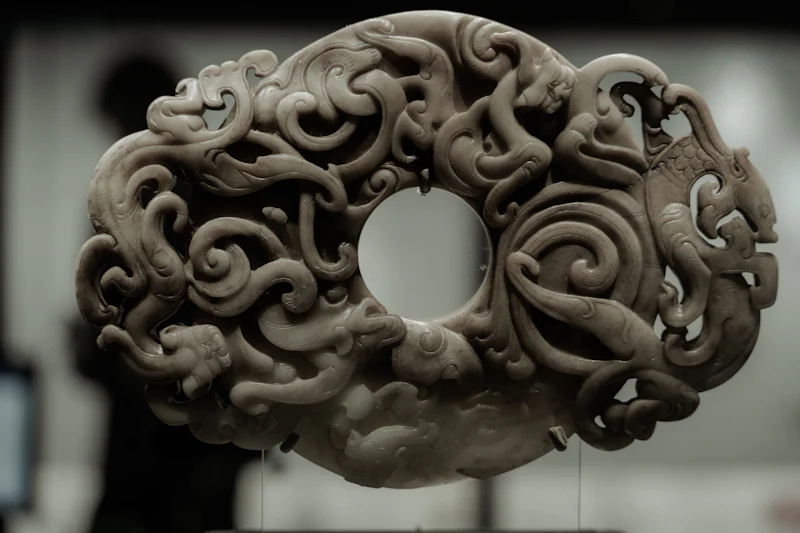
For most of Chinese history, jade meant nephrite (软玉, ruǎnyù, literally 'soft jade'). This is a durable silicate mineral known for its creamy, oily luster and deep, rich colors, especially greens, whites, and yellows. The most highly prized nephrite is the pure white variety known as “mutton fat” jade (羊脂玉, yángzhīyù), which is famous for its smooth, greasy feel.
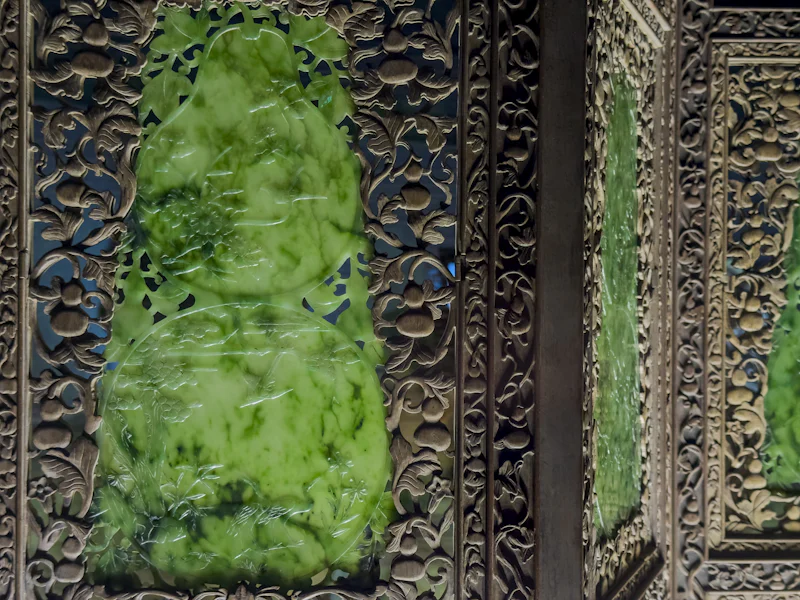
Jadeite (硬玉, yìngyù, 'hard jade') is a different mineral that only became popular in China during the Qing Dynasty. It’s harder, denser, and generally more valuable than nephrite. Its colors are more vibrant, ranging from lavender to red, but the most sought-after is the intense, vivid emerald green known as “imperial green.” Because of its rarity and stunning color, high-quality jadeite commands astronomical prices.
Simple Tests to Spot Fakes
While professional appraisal is necessary for expensive items, a few field tests can help you weed out obvious fakes like glass, serpentine, or plastic.
- The Touch Test: Real jade is dense and has high thermal conductivity, meaning it should feel cool and heavy in your hand. It takes a while to warm up. Fakes made of plastic or glass will feel lighter and will warm to your body temperature almost instantly.
- The Sound Test: Gently tap the piece with a metal key or another piece of jade. True jade has a high-quality crystalline structure and will produce a clear, high-pitched, musical chime. A fake or a heavily fractured piece will make a dull, flat thud.
- The Scratch Test (Use with Caution): This is best avoided on pieces you don't own. Jadeite has a hardness of around 7 on the Mohs scale, while nephrite is 6 to 6.5. A steel knife blade (hardness 5.5) should not be able to scratch either. If a pocket knife easily leaves a mark, you’re likely dealing with a softer stone like serpentine or even plastic.
- Visual Inspection: Look for imperfections. Real jade is rarely perfect; it often has tiny internal inclusions, mineral deposits, or subtle variations in color. A piece that is perfectly uniform in color and clarity is highly suspect and might be treated or synthetic.
What Determines the Value
Four key elements determine the price when you value real Chinese jade:
- Color: For jadeite, imperial green is the pinnacle. For nephrite, mutton fat white commands the highest prices. Saturation and evenness of color are crucial.
- Translucency: The more light that can pass through the stone, the higher its value. The best jade has a glowing, watery appearance.
- Texture: A fine, smooth, and even grain is most desirable. Coarse or grainy textures reduce the value.
- Craftsmanship: The artistry can be the most significant factor. An antique piece like a Chinese jade horse statue with intricate, skillful carving can be worth exponentially more than the raw material itself. Look for fluid lines and detailed work.
Buying Antiques in China Without Getting Scammed
When buying antiques in China, exercise extreme caution. Famous tourist markets like Panjiayuan (潘家园) in Beijing are fascinating places to browse, but you should assume 99% of the 'antiques' are modern reproductions. Never buy a high-value item from a street vendor or a pop-up market. For a serious purchase, seek out established, reputable antique dealers with brick-and-mortar shops. A trustworthy seller will be happy to discuss the piece's history and should be able to provide a certificate of authenticity (鉴定证书, jiàndìng zhèngshū).
Ultimately, knowing the material and trusting your eye is more important than trusting a story.
What's the most beautiful (or suspicious) piece of 'jade' you've come across in a Chinese market?
Quick Takeaways:
- Real jade (nephrite and jadeite) feels cool and heavy to the touch.
- Tap it gently; authentic jade produces a clear, high-pitched ringing sound.
- The most prized nephrite is “mutton fat” white; the best jadeite is imperial green.
- For serious purchases, buy from reputable dealers who provide an authenticity certificate.
#chineseculture #jade #antiques
