Yes, buying property in China as a foreigner is legally possible, but it comes with significant restrictions that make it unrealistic for many. The primary hurdles are not just financial but bureaucratic. You generally must have lived and worked in China for at least one year and can typically only purchase one property for self-use. The most misunderstood concept is that you are not buying land outright; you are purchasing the building and a long-term lease on the land it occupies, which fundamentally changes the investment calculation for many foreigners.
The Core Legal Requirements
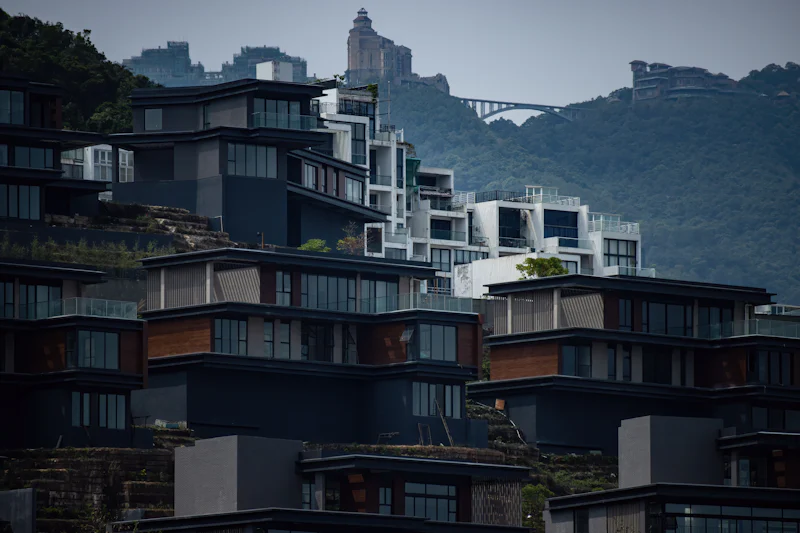
Before you can even start looking at apartments, you must meet the baseline legal criteria. The most important rule, which varies slightly by city, is the one-year requirement. This means you must prove you have been working or studying in China continuously for at least one year, backed by tax records and a valid residence permit. Secondly, the purchase is generally restricted to the principle of 自用 (zì yòng), meaning for your own personal use. While enforcement can be inconsistent, this policy is designed to prevent foreign speculative investment. Finally, remember that local regulations are king. Tier-1 cities like Shanghai or Beijing may have stricter purchasing requirements (限购 xiàn gòu, or “purchase limits”) than a Tier-3 city, so always check the latest rules for your specific location.
Understanding China’s 70-Year Land Lease
This is perhaps the biggest conceptual difference for Western buyers. In China, all land is owned by the state. When you “buy” a residential property, you are actually acquiring the building itself and a 土地使用权 (tǔdì shǐyòng quán), or a “land-use right,” for a period of up to 70 years. For commercial properties, this term is even shorter, typically 40 or 50 years. The clock starts ticking from the date the developer first acquired the land, not from when you buy the apartment, so your actual lease may be several years shorter. The critical question everyone asks is: what happens after the 70 years are up? China’s 2007 Property Law states that residential land-use rights are to be renewed automatically. However, the details regarding the process and potential renewal fees remain legally ambiguous, creating a long-term uncertainty that any potential buyer must be comfortable with.
The Practical Purchase Process
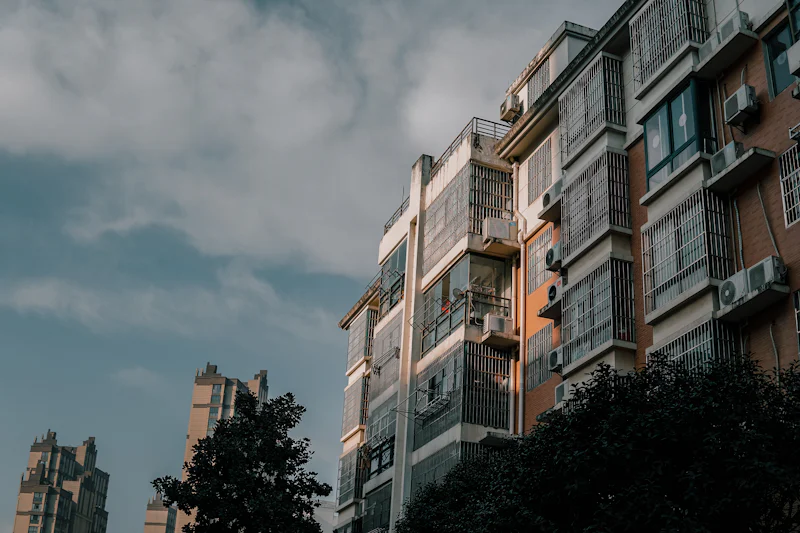
Assuming you meet the legal criteria, the process involves several key steps. First, you'll need to work with a reputable real estate agent who has experience with foreign clients. Key documents you’ll need to prepare include your passport, residence permit, a notarized Chinese name, and proof of income. If you need a mortgage, Chinese banks do lend to foreigners, but be prepared for a much higher down payment than a local citizen—often 30% to 50% of the purchase price. One of the most significant challenges is navigating China’s capital controls. Transferring a large sum of money into China for the down payment requires navigating specific banking procedures and paperwork. Similarly, repatriating funds if you ever sell the property is a complex process that requires careful planning and documentation of the initial investment.
The Big Debate: Investment vs. Renting
Is buying a house in China a good investment for a foreigner? There's no easy answer. On one hand, ownership provides stability and a hedge against rising rents. In the past, China’s real estate market saw incredible appreciation, creating significant wealth. However, the market has cooled considerably, and the old assumptions no longer hold. The downsides are substantial: high transaction taxes, market volatility, the difficulty of liquidating the asset and moving money out of the country, and the underlying inflexibility. If your job in China ends or you need to relocate, selling a property can be a slow and bureaucratic ordeal. For most expats, especially those who aren't certain they will stay in China permanently, renting offers far more flexibility and avoids tying up a large amount of capital in a complex regulatory environment.
Ultimately, purchasing property is a major life decision that is magnified for foreigners in China due to the unique legal and financial landscape. For those who have considered it, what was the single biggest factor that made you decide for or against buying?
Quick Takeaways:
- You must typically live and work in China for at least one year before buying.
- You are buying the structure and a 70-year land-use right, not the land itself.
- Foreigners often face higher down payment requirements, usually 30% of the price or more.
- Moving your investment funds into and out of China is a complex, regulated process.
#chinaproperty #chinaexpat #realestatechina
