For a non-driving tourist, the north vs south Xinjiang debate boils down to a simple trade-off: breathtaking, remote landscapes versus accessible, profound cultural history. If your dream is to see alpine lakes and vast grasslands, head north but be prepared for long travel days and higher transport costs. If you want to immerse yourself in ancient Silk Road cities and vibrant culture with the convenience of high-speed rail, the south is your better bet. Neither is ‘better’—they simply offer two completely different experiences.
North Xinjiang: Epic Landscapes, Longer Journeys
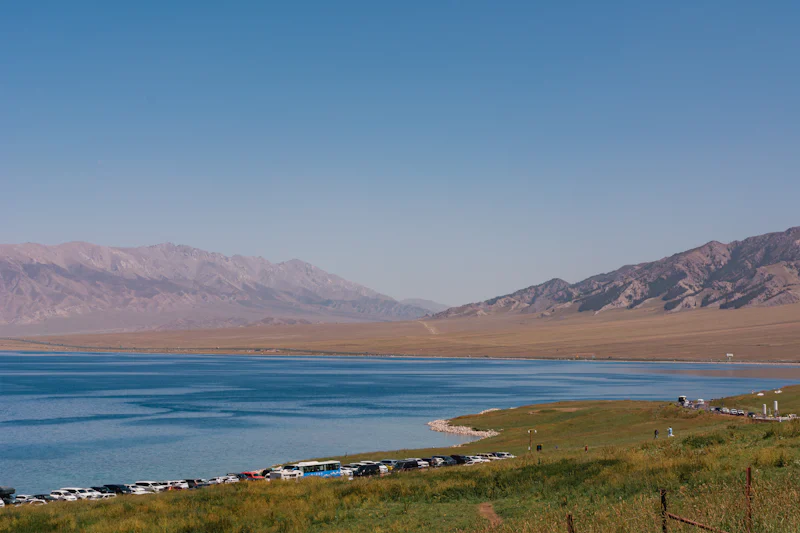
The allure of North Xinjiang is its raw, immense nature. Think postcard-perfect scenes like Kanas Lake (喀纳斯湖, Kānàsī Hú), the fairytale-like Hemu Village, and the sprawling grasslands of Narat. This is the China you see in epic travel documentaries. However, getting between these locations without your own car is a significant logistical challenge. The distances are vast; a bus journey from Urumqi to Burqin (the gateway to Kanas) can easily take 10–12 hours. Once in the Kanas scenic area, you are reliant on the park’s internal bus system, which runs on set routes and schedules, limiting spontaneous exploration. This system is efficient but can feel restrictive if you want to find a quiet spot away from the crowds. For photography enthusiasts hoping for golden hour shots, the bus schedules might not align with your goals, making a private driver almost essential for a flexible Xinjiang travel itinerary.
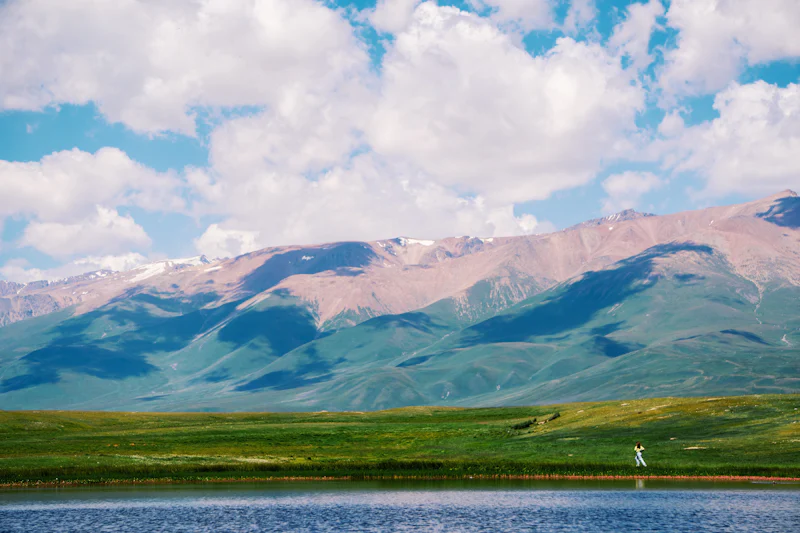
South Xinjiang: Silk Road Culture, Concentrated Cities
South Xinjiang is the historical heartland of the Silk Road. The experience here is less about sweeping landscapes and more about people, history, and architecture. The undisputed hub is Kashgar (喀什, Kāshí), with its mesmerizing Old Town, the bustling Sunday livestock market, and the beautiful Id Kah Mosque. Unlike the scattered attractions of the north, the south’s key cities—Kashgar, Hotan, and Aksu—are connected by a modern high-speed rail line. This makes independent travel far more manageable. When you travel to Kashgar, the experience is immediately immersive. You can spend an entire day just wandering the labyrinthine alleys of the Old Town, visiting artisan workshops, and sipping tea at a local teahouse. This connectivity allows you to see several major cultural sites in a week without the cost or complexity of hiring a private vehicle.
The Non-Driver’s Itinerary: A Practical Comparison
Budget is a crucial deciding factor. In the north, your largest single expense after flights will be ground transportation. A week-long car hire with a driver can easily exceed the cost of your accommodation. In the south, your primary costs are train tickets, entry fees to sites, and local taxis, which are managed through ride-hailing apps like 滴滴 (Dīdī). Food and lodging are generally more affordable in the south as well.
Let’s compare a hypothetical 8-day trip:
An 8-day North Xinjiang trip would likely focus on one primary area. You might spend 2 days traveling to and from the Kanas region, leaving 5–6 days to explore the lake, Hemu, and Baihaba. Most of this time will be spent in transit between viewpoints.
A South Xinjiang trip of the same length offers more variety. You could fly into Kashgar, spend 4 days exploring the city and the nearby Karakoram Highway, then take a 4-hour high-speed train to Hotan for 2 days to see its famous jade market before flying out. The core of your trip is spent in the destinations, not just traveling between them.
Ultimately, your choice in the north vs south Xinjiang debate hinges on your travel style and priorities: do you prefer majestic, wild nature that requires more logistical effort, or easily accessible, rich cultural immersion?
For those who have visited both, which region did you find more rewarding for a shorter trip without a car?
Quick Takeaways:
- Choose North Xinjiang for alpine lakes and grasslands if you can budget for a driver.
- Pick South Xinjiang for Silk Road cities and culture, easily navigated by high-speed train.
- Plan for long transit; a bus from Urumqi to the Kanas area can take 10+ hours.
- A trip to Kashgar allows for easy exploration of the city and nearby Silk Road sites.
- The southern train network makes independent travel significantly easier for non-drivers.
#xinjiangtravel #silkroad #chinatravel
