Choosing a good Chinese name as a foreigner requires balancing phonetic similarity with culturally meaningful characters. A simple sound-for-sound translation of your English name often results in a string of characters that sounds foreign and lacks the depth of a genuine Chinese name. The goal is to create a name that feels intentional and personal, one that Chinese speakers will recognize as a proper name, not just a transliteration.
Beyond Simple Sound-Alikes
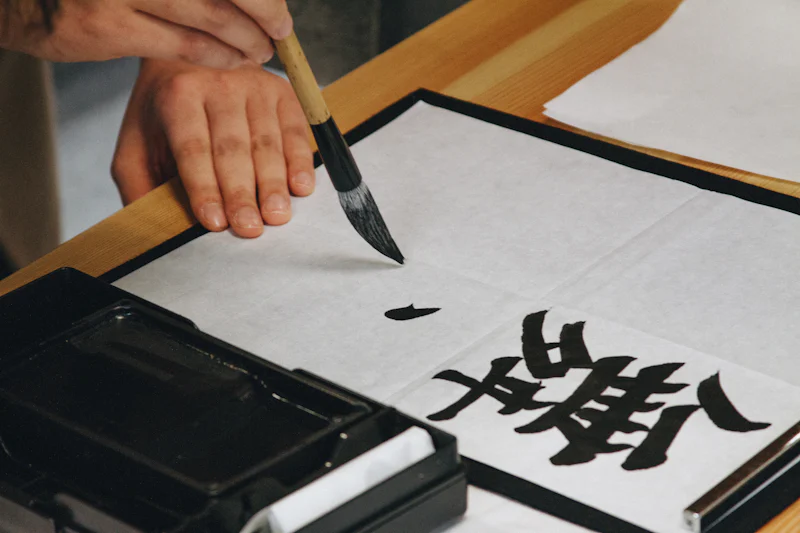
Many foreigners start by finding Chinese characters that sound like their name. While a name like David can become 大卫 (Dàwèi) and work reasonably well, more complex names like “Alexander” might become 亚历山大 (Yàlìshāndà), which is instantly recognizable as a foreign transliteration. This is fine for informal use, but in a professional or social context, it sets you apart. A thoughtfully chosen name, on the other hand, acts as a cultural bridge. Instead of aiming for an exact phonetic match, consider using just the first syllable of your name as a starting point and building a new, authentic-sounding name from there.
Understanding Name Structure
The standard Chinese name consists of a surname, or 姓 (xìng), followed by a given name, or 名 (míng). The surname is almost always one character, while the given name is typically one or two characters. Today, two-character given names are far more common, as they reduce the chance of having the same name as thousands of other people. As a foreigner, you are not required to adopt a Chinese surname, but doing so makes your name sound more complete. A common strategy is to pick a common surname that sounds like the first syllable of your family name—for instance, “Johnson” could become 江 (Jiāng). Alternatively, you can simply choose one of the top 100 common surnames like 李 (Lǐ), 王 (Wáng), or 陈 (Chén).

Choosing Characters with Meaning
This is the most crucial step. Every Chinese character has a specific meaning and connotation, and your name should reflect qualities you value or aspire to. This is where you can truly personalize your name. Instead of just matching sounds, think about your personality or interests. Do you value wisdom, strength, or nature?
Here are some examples of characters with positive meanings:
- For intellect or strength: 哲 (zhé) meaning ‘wise’, 睿 (ruì) for ‘astute’, or 杰 (jié) for ‘outstanding’.
- For grace or beauty (often in female names): 雅 (yǎ) for ‘elegant’, 静 (jìng) for ‘quiet’ or ‘serene’, or 琳 (lín) for ‘beautiful jade’.
- For connection to nature: 林 (lín) for ‘forest’, 海 (hǎi) for ‘sea’, or 峰 (fēng) for ‘mountain peak’.
Use a reliable tool like the Pleco dictionary app to explore characters. It not only gives you definitions but also shows you example words and phrases, which is critical for understanding context.
Common Pitfalls to Avoid
Choosing a name without guidance can lead to embarrassing mistakes. First, be mindful of unfortunate homophones; a name that looks good on paper might sound like a negative or silly word when spoken. Second, avoid characters that are too grand or archaic. Naming yourself 龙 (lóng), meaning ‘dragon’, can come across as arrogant or childish. Similarly, avoid “era names” like 建国 (Jiànguó), meaning “to build the country”, which are strongly associated with a specific generation in Chinese history. Finally, the tones are critical. A combination of characters might be difficult to pronounce together. The single most important action you can take is to run your top 2-3 choices by a native Chinese friend or teacher. They can provide feedback on whether the name sounds natural, if it has any hidden meanings, or if it feels outdated.
Ultimately, a well-chosen Chinese name is a sign of respect for the culture and can open doors to more meaningful interactions.
What process did you follow to choose your Chinese name, and what is one piece of advice you’d give to someone just starting?
Quick Takeaways:
- Prioritize meaningful characters over a perfect phonetic match for a more natural name.
- Follow the standard structure: a one-character surname plus a one or two-character given name.
- Use a dictionary app like Pleco to research character meanings and their context.
- Always get feedback from at least one native speaker to avoid cultural blunders.
#chinesename #learnchinese #expattips
