The average living cost for an international student in China falls between ¥3,500 and ¥7,000 per month, with the primary variables being your city and accommodation choice. Students in Tier 1 cities like Beijing and Shanghai will naturally face higher expenses, especially for rent, compared to those in Tier 2 or 3 cities. While scholarships often cover tuition and a dorm room, understanding your personal spending on food, transport, and leisure is crucial for a successful and stress-free experience. A well-planned budget is your best tool for managing your finances effectively.
Your Biggest Expense: Housing
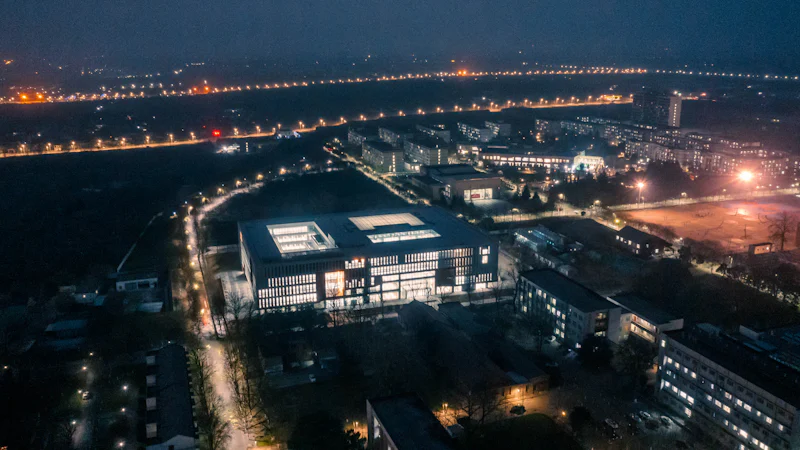
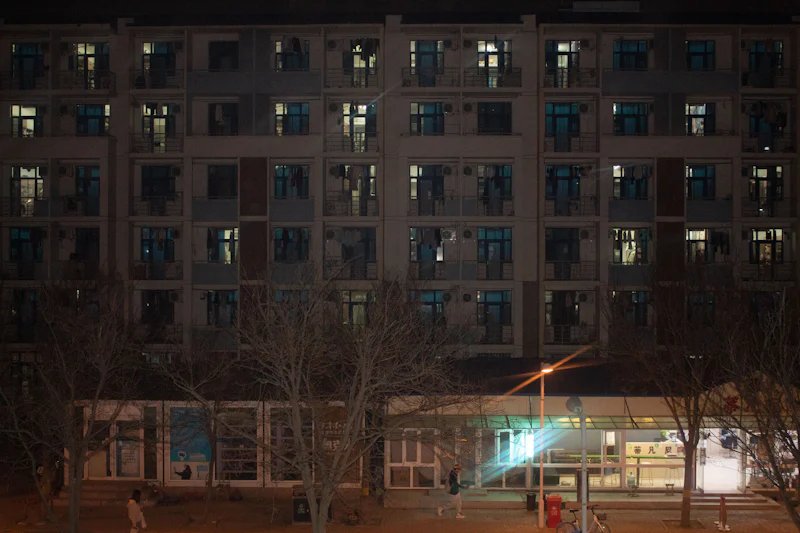
Accommodation will be the largest single item in your student budget. University-provided dormitories are the most economical option, typically costing between ¥800 and ¥2,500 per month for a shared room with basic utilities included. These are competitive, so apply early. Renting a private apartment offers more freedom but comes at a significantly higher price. In central districts of Beijing or Shanghai, a single room in a shared apartment can cost ¥3,000 to ¥5,000 monthly. Expect to pay a hefty deposit and several months’ rent upfront, often following the 押一付三 (yā yī fù sān) model—one month’s rent as a deposit plus three months’ rent in advance.
Eating Well on a Budget
Food costs can be managed very effectively. Your cheapest and most convenient option is the university canteen, or 食堂 (shítáng), where a balanced meal can cost as little as ¥15–¥30. For more variety, local noodle shops and small restaurants offer meals for ¥30–¥60. Cooking for yourself is another great way to save, with a weekly grocery bill for one person averaging ¥200–¥400. Food delivery apps like 美团 (Měituán) are incredibly popular but can add up quickly. A reasonable monthly food budget would be between ¥1,500 and ¥2,500 if you primarily use the canteen and cook occasionally.
Getting Around the City
Navigating Chinese cities is incredibly affordable thanks to excellent public transport. A subway ride in Beijing or Shanghai typically starts at ¥3 and increases with distance, but most daily commutes will stay under ¥10. Public buses are even cheaper, often costing just ¥1–¥2 when using a local transportation card. For short distances, bike-sharing services like HelloBike (哈啰单车, Hāluo Dānchē) are a fantastic option, costing only a few yuan per ride. Your total monthly expenses in Beijing or another major city for transportation will likely be just ¥150–¥300, unless you frequently use taxis or ride-hailing services.
Budgeting for Everything Else
Beyond the essentials, you’ll need to budget for other expenses. A basic mobile phone plan with data costs around ¥50–¥150 per month. Entertainment, such as a movie ticket (¥40–¥60) or a night out with friends, can vary widely based on your habits. Textbooks and school supplies might add another ¥500–¥1,000 per semester. Always set aside an extra ¥500–¥1,000 per month for these miscellaneous costs, including shopping, toiletries, and unexpected needs. Managing these costs is about making conscious choices about your lifestyle.
Why Your Choice of City Matters Most
The discussion about a student budget in Shanghai versus other locations highlights a key point: city tier dictates costs. Life in Beijing, Shanghai, Guangzhou, and Shenzhen (Tier 1) is significantly more expensive than in Tier 2 cities like Chengdu, Wuhan, or Xi'an. Rent, food, and entertainment can be 20–40% cheaper outside of the major coastal hubs. If budget is a primary concern, looking into cheap universities in China for international students located in these inland cities can dramatically lower your overall living expenses without compromising the quality of your experience.
Ultimately, your monthly spending is a direct result of your lifestyle choices, but the baseline cost is set by your city and accommodation. For students already here, what’s one budget-saving app or habit you couldn't live without?
Quick Takeaways:
- Budget ¥4,500–¥7,000 per month for living in Beijing or Shanghai.
- Choose university dorms to keep monthly housing costs under ¥2,500.
- Eating at campus canteens (食堂) is the most effective way to save on food.
- Living costs in Tier 2 cities like Chengdu can be up to 40% lower.
#studentlife #chinacostofliving #studyinchina