Technically, you can cancel hotel bookings after your China visa is approved, as the primary check occurs during the application review. However, this common workaround isn’t entirely without risk. The core issue shifts from the visa application to the actual entry into China. Upon arrival, immigration officials have the authority to verify your travel plans, and a cancelled booking without a replacement can create complications. It’s a calculated risk that requires careful management to ensure a smooth entry.
The Logic Behind “Visa-Only” Bookings
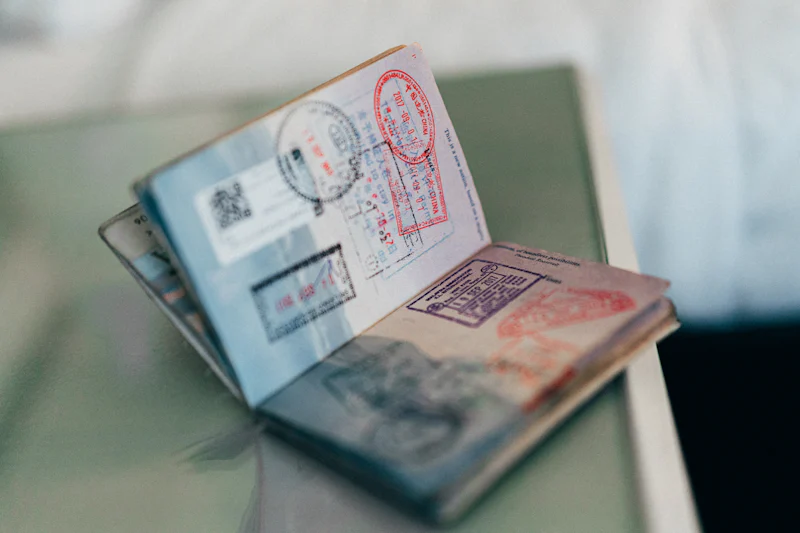
The Chinese tourist (L) visa process requires a detailed day-by-day itinerary, including flight confirmations and hotel reservations for the entire trip. This rigid requirement poses a challenge for travelers who prefer spontaneity or want to finalize plans after securing the visa. To meet these requirements without a firm financial commitment, many applicants use platforms like Booking.com or Agoda to make fully refundable hotel reservations. This allows them to generate the necessary confirmation documents for their visa submission, which they then cancel once the visa is issued, freeing them to plan a more flexible trip.

Potential Risks at the Border
While it’s not a routine check for every traveler, Public Security Bureau (PSB) immigration officers at your port of entry have the right to conduct an 入境审查 (rùjìng shěnchá), or entry inspection. This can include asking for your accommodation details to verify you have a legitimate place to stay. If they decide to check and find the booking from your visa application has been cancelled with no alternative, it can raise a red flag. The consequences could range from additional questioning and a request to book a hotel on the spot to, in very rare and extreme cases, denial of entry. The risk is low but not zero. Using a completely fabricated or photoshopped booking confirmation is far more dangerous and considered visa fraud.
Best Practices for Managing Your Itinerary
The safest approach is to keep your original booking for at least the first 24–48 hours after arrival. This ensures you have a confirmed address for immigration and, crucially, for your temporary residence registration. If you must cancel the entire original booking, the most responsible strategy is to secure a new, legitimate booking immediately. Have the confirmation details (in English and Chinese if possible) saved on your phone. This demonstrates you are a genuine tourist with a credible plan, even if it has changed. This is especially critical because of the Temporary Residence Registration requirement (临时住宿登记表, línshí zhùsù dēngjì biǎo). Hotels handle this registration for you within 24 hours of check-in. Without a hotel, you must register yourself at the local police station (派出所, pàichūsuǒ), and failing to do so can lead to fines or issues when departing China or applying for future visas.
The core principle is to always have a legitimate, verifiable accommodation plan for your arrival, even if it differs from your initial visa application.
What has been your experience with border control asking for accommodation proof when entering China?
Quick Takeaways:
- Cancelling visa bookings is common but carries a small risk of checks at immigration.
- Always have a new, confirmed booking ready to show if you cancel the original one.
- Your first hotel is crucial for completing the mandatory 24-hour temporary residence registration.
#chinavisa #traveltips #accommodation
