Yes, foreigners can legally buy property in China, but the rules are strict and specific. The most significant hurdle is the requirement to have lived and worked (or studied) in China for at least one year with a valid residence permit. Unlike in many Western countries, you can't simply arrive and purchase an investment property. The primary regulation to understand from the start is that any property you buy must be for self-use only. This means you are generally limited to purchasing one residential property and cannot legally act as a landlord for rental income.
Core Eligibility Requirements
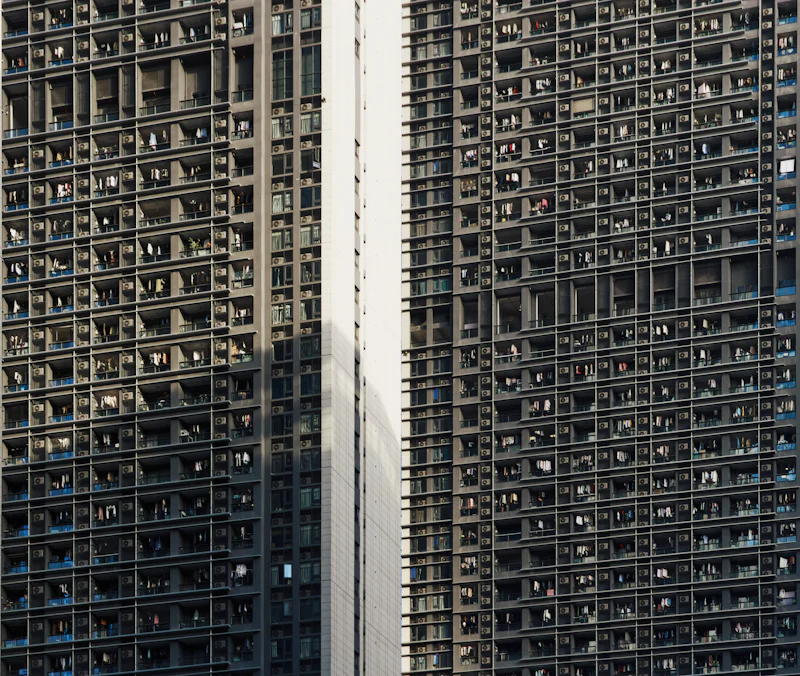
Before you even start looking at apartments, you must meet the baseline legal criteria. The foundational rule is the one-year requirement: you need to provide proof of having worked or studied in China for at least one year continuously. This is typically verified through your local tax records or an official letter from your employer or university. You must also hold a valid residence permit, not just a short-term visa. Some cities may have slightly different local interpretations, so it’s crucial to check with the local Housing and Urban-Rural Development Bureau (住房和城乡建设局 - zhùfáng hé chéngxiāng jiànshèjú) for the most current policies.
Understanding Ownership vs. Land-Use Rights
This is the most misunderstood aspect of Chinese property law for foreigners. When you “buy” an apartment in China, you are purchasing the physical structure itself, but not the land it sits on. The land is owned by the state. What you acquire is a long-term lease, known as a land-use right (土地使用权 - tǔdì shǐyòng quán). For residential properties, this right is typically granted for 70 years. While you have full rights to live in, renovate, or sell your apartment during this period, the land technically remains state property. The good news is that these rights are legally renewable upon expiration, though the exact process and cost for renewal are still being clarified in national law.

The Purchase Process at a Glance
The buying process involves several key steps. First, after finding a property with a licensed real estate agent, you’ll sign a preliminary agreement and pay a deposit (定金 - dìngjīn), which is typically non-refundable if you back out. Next, you’ll sign the official sales contract, which must be registered with the local authorities. The most complex part can be payment; obtaining a mortgage from a Chinese bank is exceptionally difficult for foreigners, so most transactions are completed with cash. Finally, after all taxes and fees are paid, you will register the transfer of ownership and receive your official property ownership certificate, or 房产证 (fángchǎnzhèng).
A Look at Costs: Shanghai Example
Property prices vary dramatically across China. In a top-tier city like Shanghai, the cost of an apartment can be staggering. As of 2023, prices in central districts like Jing'an or Xuhui can easily range from RMB 100,000 to over RMB 180,000 per square meter. Even in outer districts, prices often start around RMB 60,000 per square meter. Beyond the sticker price, budget for additional costs, including a deed tax (契税 - qìshuì) which can be 1-3% of the property value, agent commissions (around 1-2%), and other minor administrative fees. Always factor in an extra 5-7% of the purchase price for these transactional costs.
While buying property in China is a major undertaking, it is achievable if you follow the legal framework and are prepared for the bureaucratic process. Have you or someone you know gone through the process of buying a home in a specific Chinese city, and were there any local rules that surprised you?
Quick Takeaways:
- You must work or study in China for at least one year before buying.
- Foreigners are restricted to owning one residential property for self-use only.
- You own the apartment structure, but the land is a 70-year renewable lease.
- Getting a mortgage is very difficult; be prepared for a cash transaction.
- Budget an additional 5-7% of the property price for taxes and fees.
#buypropertyinchina #foreignerproperty #livingguide
