Life for foreigners living outside Tier 1 cities is fundamentally a trade-off: you exchange the endless convenience and vast international infrastructure of Beijing or Shanghai for a significantly lower cost of living and a more immersive Chinese experience. While daily life in cities like Chengdu, Kunming, or Xi’an is often slower-paced and communities are tighter, it demands greater self-sufficiency, particularly with Mandarin. For many, this shift from the “expat bubble” to a more integrated existence is the most rewarding aspect of their time in China.
A Dramatically Lower Cost of Living
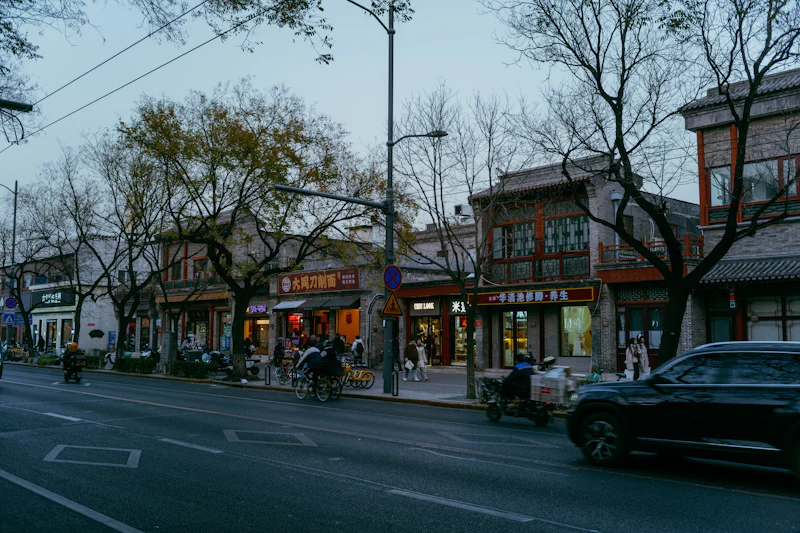
The most immediate and impactful difference is financial. While a modern two-bedroom apartment in a central Shanghai neighborhood can easily exceed RMB 12,000 per month, a comparable unit in downtown Chengdu or Kunming might only cost RMB 3,500–5,000. This financial relief extends to nearly every aspect of daily life. A 15-minute ride with a ride-hailing service costs less, a delicious meal at a popular local restaurant is a fraction of the price, and groceries from the local 菜市场 (càishìchǎng), or wet market, are remarkably affordable. The primary trade-off is selection. You won't find the sprawling import supermarkets with dozens of foreign cheese and wine options. Your favorite brand of cereal or coffee might be unavailable, pushing you to embrace local alternatives.
A Tighter, More Integrated Community
In Beijing, the foreign community is so large it can feel anonymous and fragmented. In a second-tier city, the expat circle is smaller, more close-knit, and often more stable. You are far more likely to run into people you know, and social circles tend to form quickly and organically through shared interests. A key difference is the level of integration. Because the foreign bubble is smaller, social life often naturally includes local Chinese friends and colleagues. Networking relies less on formal chamber of commerce events and more on personal introductions within a handful of core 微信 (WeChat) groups that serve as the community's town square for everything from planning weekend hikes to finding a reliable plumber.
The Necessity of Basic Mandarin
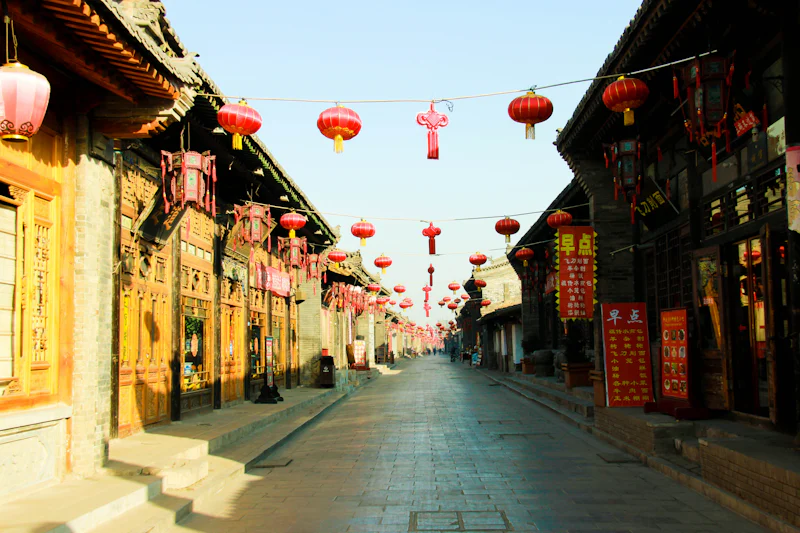
While you can navigate large parts of Shanghai for years using only English, this is not a viable strategy in most other cities. Basic conversational Mandarin becomes less of a hobby and more of a crucial tool for independence. Setting up a bank account, negotiating with a landlord, explaining a technical issue to a repair person, or visiting a hospital all become significantly more challenging without some language ability. This is where technology is a lifesaver. Apps like 百度翻译 (Bǎidù Fānyì) are indispensable for on-the-spot translations, and the translate feature within WeChat is used constantly. You’ll also experience the “foreigner effect” more acutely; your presence might draw curious stares, but it also frequently prompts friendly offers of help from strangers.
Career and Lifestyle Adjustments
The professional landscape is different. There are fewer headquarters for multinational corporations, so job opportunities are often concentrated in specific sectors like education, manufacturing, or regional tech hubs. The lifestyle infrastructure is also distinct. While domestic travel is incredibly convenient thanks to the high-speed rail network, international travel is less so. A flight back to Europe or North America will almost certainly require a layover in a Tier 1 hub. Similarly, while hospitals are modern and capable, finding a dedicated international wing with English-speaking doctors is rare. You learn to navigate the local system, which is a valuable skill in itself. Digital payments via 支付宝 (Alipay) and WeChat Pay are just as seamless and ubiquitous, meaning daily transactions are cashless and simple everywhere.
Ultimately, thriving as a foreigner outside Tier 1 cities hinges on your willingness to adapt and engage more directly with the local culture and language.
For those of you living in a second or third-tier city, what’s one unexpected challenge or benefit you’ve discovered?
Quick Takeaways:
- Expect your rent and daily expenses to be 40-60% lower than in Beijing or Shanghai.
- Basic conversational Mandarin is essential for handling tasks like banking and apartment repairs.
- The foreign community is smaller, leading to faster and more personal social connections.
- International travel and access to specialized imported goods require more planning and effort.
#secondtiercities #expatlifechina #livinginchengdu