Student life at a top Chinese university like Tongji or Beijing Institute of Technology (BIT) is a deeply structured experience defined by academic rigor and a highly localized social environment. For foreign students, the reality is a constant negotiation between the convenience of the international student “bubble” and the rewarding challenge of genuine integration. Success often comes down to one’s willingness to adapt to a different educational and social rhythm, where group harmony and structured schedules often take precedence over individual spontaneity.
The Academic Reality: Course Load and Teaching Style
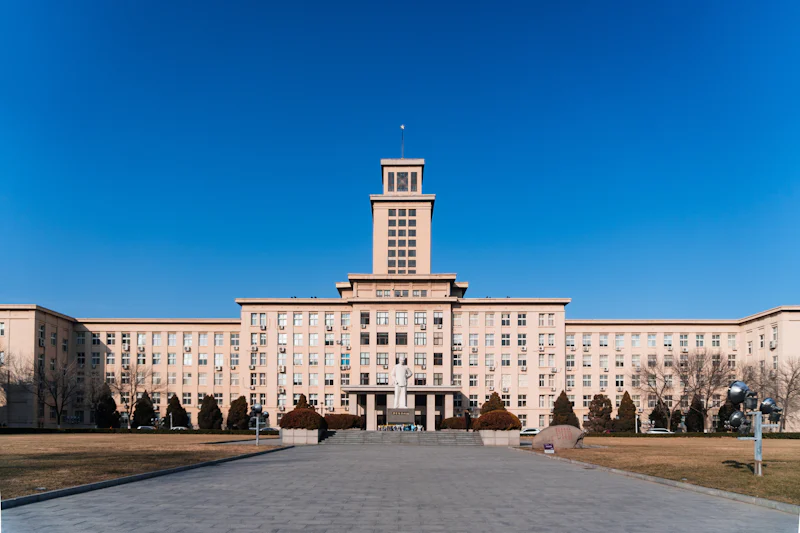
The academic pressure at elite C9 League and Project 985 universities is significant. Expect a packed schedule of 18–25 class hours per week, supplemented by a considerable amount of homework, or 作业 (zuòyè). The teaching style is predominantly lecture-based, emphasizing theory and memorization over the Socratic method common in Western institutions. For specialized fields, this has specific implications. The Tongji University architecture program, for instance, is famously demanding. Students consistently report 40+ hour weeks dedicated to studio projects, with a curriculum that prizes technical precision and immense dedication. At BIT, the Computer Science program is heavily theoretical and math-focused, especially in the undergraduate years. While group projects are frequent, the emphasis is often on understanding complex algorithms rather than building a practical, real-world portfolio from day one.
Campus Social Life and Integration
Social life is organized and largely contained within the campus ecosystem. While universities host events for international students, breaking into local circles requires proactive effort. The most effective way is by joining a student club, or 社团 (shètuán). Sports clubs (basketball, badminton) and cultural groups are excellent for meeting Chinese peers in a relaxed setting. All communication and coordination—from class group chats to event announcements—happens on WeChat (微信 - Wēixìn). It is the central nervous system of student life. Social gatherings are less about spontaneous parties and more about planned group dinners at the campus canteen, or 食堂 (shítáng), or at nearby restaurants. Be prepared for a different pace of socializing that is more communal and less individualistic.
Dorm Life and Campus Facilities
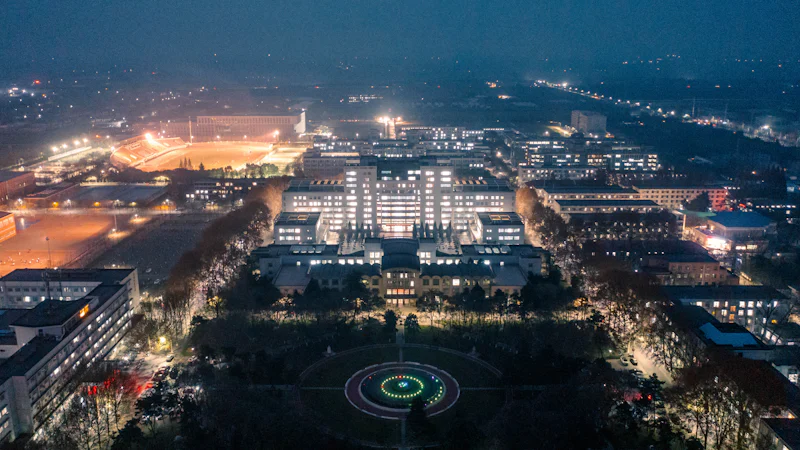
One of the biggest perks for foreigners is the accommodation. International student dormitories are almost always separate and superior to those for local students, typically offering single or double rooms with private bathrooms and air conditioning. This comfort comes with a trade-off: physical separation from the majority of the student body. Dorms are managed by an 阿姨 (āyí) who enforces rules strictly. Expect curfews (usually 11 PM or midnight), guest restrictions, and occasional room inspections. Campus facilities, however, are generally world-class. You will find massive, modern libraries, state-of-the-art sports centers, and multiple canteens offering subsidized meals. Your student ID, the 校园卡 (xiàoyuán kǎ), is your key to everything, used for paying for meals, accessing buildings, and borrowing books.
Career Support for Foreign Students
This is arguably the weakest link in the experience. University career centers are overwhelmingly focused on placing Chinese graduates into the domestic job market. On-campus career fairs rarely feature companies actively recruiting foreign nationals for roles within China. While a degree from a prestigious university like Tongji or BIT is valuable globally, securing a job in China post-graduation is a significant challenge. It requires navigating complex visa regulations and finding a company with the government license and willingness to hire foreigners. Your success will depend almost entirely on your own networking efforts and building strong 关系 (guānxì), or relationships, with professors and professionals during your studies.
The student experience at a top Chinese university is academically intense and offers a unique cultural immersion, but social and career success for foreigners hinges on proactivity and stepping outside the provided international student framework. For those who have studied at similar universities, what was the single biggest challenge you faced in integrating with local student life?
Quick Takeaways:
- Expect a heavy academic workload, especially in technical fields like architecture and CS.
- Foreign student dorms offer better quality but can create social isolation.
- Join student clubs (社团) and use WeChat actively to build a real social circle.
- University career services have limited resources for foreigners; networking is essential.
#studentlifechina #tongjiuniversity #beijinginstituteoftechnology
