Choosing between Beijing and Shanghai depends entirely on your career goals and lifestyle preferences. Neither city is objectively “better”; they simply offer two distinct versions of modern China. Shanghai is the clear winner for finance, international trade, and a fast-paced, cosmopolitan lifestyle. Beijing, on the other hand, is the undisputed hub for tech, diplomacy, education, and anyone seeking deep immersion into China’s rich cultural and political history. Your professional industry and personal priorities will make the decision for you.
Career and Industry Focus
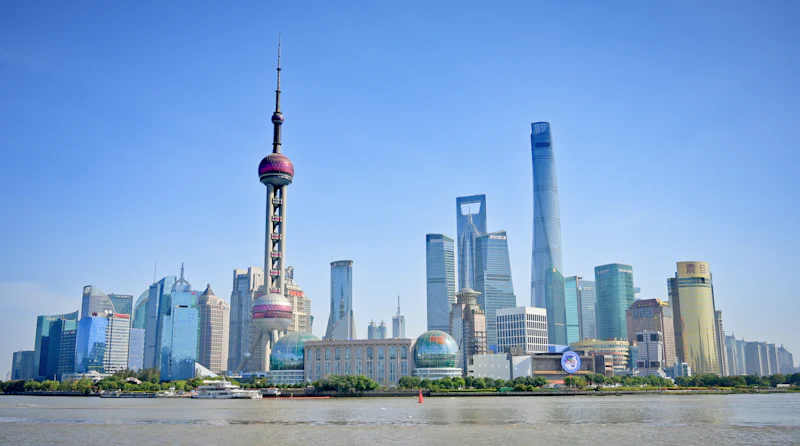
Your industry is the single most important factor. Shanghai’s Lujiazui district is China’s Wall Street, making it the premier destination for finance, banking, and international business. The city is also a leader in luxury retail, marketing, and logistics. In contrast, Beijing is the nation’s tech and innovation powerhouse, with the Zhongguancun area often called China’s “Silicon Valley”. It is the home base for giants like Baidu and ByteDance. Beyond tech, Beijing is the center for government, diplomacy, state-owned enterprises (SOEs), and top-tier universities, creating abundant job opportunities in education and policy.
Lifestyle and Cultural Scene
The daily rhythm and cultural fabric of each city are starkly different. Beijing’s identity is rooted in its imperial past. Life can feel more traditional and measured, with a cultural scene centered around historic sites, traditional arts, and exploring ancient alleyways called 胡同 (hútòng). It offers a more distinctly Chinese cultural experience. Shanghai is defined by its international history and future-facing ambition. Its lifestyle is faster, more commercial, and highly globalized. The city’s French Concession offers European-style cafes and boutiques, while The Bund showcases stunning modern architecture. It’s a place where you can easily live an international lifestyle without needing to speak much Mandarin initially.
Cost of Living Breakdown
While both are top-tier cities, the cost of living Beijing vs Shanghai has key differences, primarily in housing. Rent in central Shanghai districts like Jing'an or Xuhui is often 15-25% higher than for a comparable apartment in Beijing’s core districts like Chaoyang or Dongcheng. However, other daily costs are surprisingly similar. Transportation via the efficient metro systems is affordable in both cities, and the cost of groceries, utilities, and ordering food through apps like 美团 (Meituan) is largely comparable. Your biggest budget variable will unequivocally be your rent.
Social Scene and Networking
Your social life will also take a different shape. Shanghai’s expat community is vast and highly integrated into the city’s social fabric, with endless networking events, gallery openings, and trendy restaurants. It is exceptionally easy to build an international social circle. Beijing’s social scene can feel more fragmented but also more specialized. You’ll find distinct circles for the arts, academia, tech, and diplomacy. Building connections might require more proactive effort, but it often leads to deeper, more niche communities. In both cities, 微信 (WeChat) groups are essential for discovering events and connecting with others.
Ultimately, the right choice is a personal one, aligning the city’s strengths with your own ambitions for living and working in China.
For those who have lived in both, what was the single biggest surprise when you moved from one city to the other?
Quick Takeaways:
- Beijing is the top choice for careers in tech, government, and education.
- Shanghai leads for opportunities in finance, international trade, and marketing.
- Expect significantly higher rental costs in Shanghai for similar central locations.
- Choose Beijing for deep cultural immersion; pick Shanghai for a globalized lifestyle.
#beijingvsshanghai #chinacityguide #expatlifechina
