Determining the value of a Chinese jade antique is a two-stage process that prioritizes authenticity over everything else. Before you can get a price, you must first get a professional verdict that your item is genuine jade (玉 yù) and from the claimed historical period. Many seemingly old pieces are modern replicas, and the appraisal market is filled with individuals who may exploit a foreigner’s lack of local knowledge. Therefore, the most critical step is not finding an appraiser, but finding a reputable one through official channels, which separates a credible valuation from a worthless opinion.
Initial Checks for Jade Authenticity
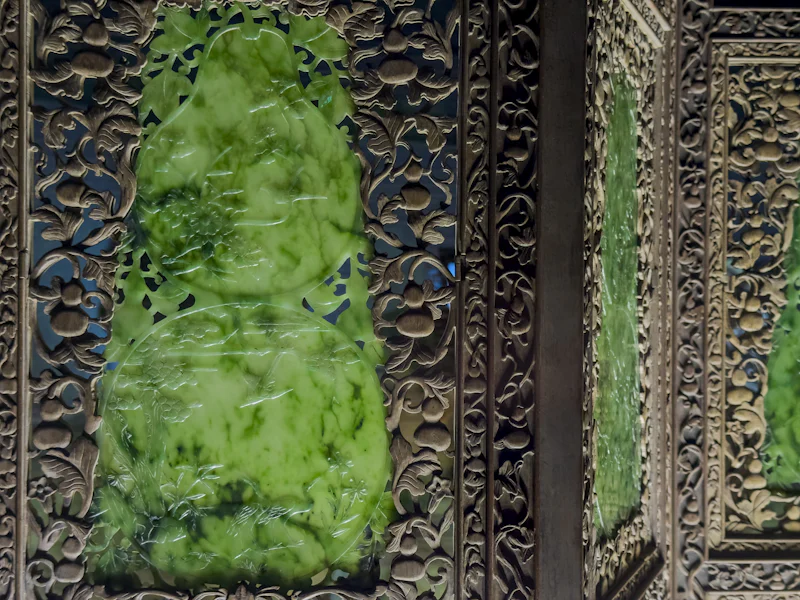
Before spending money on a professional appraisal, you can perform a few simple, non-destructive tests to get a preliminary idea of your item's authenticity. Real jade is incredibly dense and hard. First, the temperature test: genuine jade feels cool and smooth to the touch and takes a while to warm up in your hand. Second, the sound test: gently tap two pieces of jade together (or tap one with a metal object). Real nephrite (软玉 ruǎnyù) or jadeite (硬玉 yìngyù) will produce a high-pitched, resonant chime, not a dull thud like glass or plastic. Finally, you can try a light test. Hold the piece up to a strong light source. You should see fibrous or crystalline structures inside; a perfectly uniform or bubbly interior often suggests it’s a fake. These are not definitive proofs, but failing them is a strong indicator you may not need a professional.
Finding a Reputable Appraiser in China
Street-side antique shops and local markets are not the place for a reliable appraisal. The risk of receiving an inaccurate valuation—either intentionally low to facilitate a cheap purchase or fantastically high to flatter you—is significant. For a credible assessment, you must approach established institutions. The most reliable options are major auction houses like Poly Auction (保利拍卖 Bǎolì Pāimài) or China Guardian (中国嘉德 Zhōngguó Jiādé). These organizations often hold public appraisal days in major cities like Beijing and Shanghai. You can check their official websites for schedules. Alternatively, some provincial or municipal Cultural Relics Bureaus (文物局 Wénwùjú) may offer appraisal services. Expect to pay a fee, which can range from a few hundred to several thousand RMB depending on the expert. Always insist on a formal written report, known as a 鉴定证书 (jiàndìng zhèngshū), as this document is crucial for any future sale.
Factors That Determine Market Value
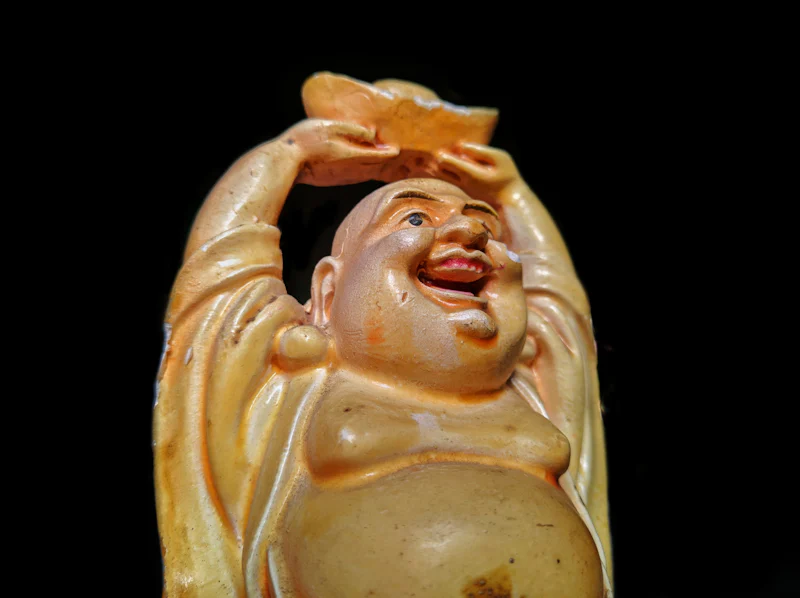
An authentic appraisal goes beyond just identifying the material. An expert will assess several key factors to determine the final value. The quality of the jade itself is paramount—its color, translucency, and lack of imperfections. The craftsmanship reflects the skill of the carver and the intricacy of the design. The age and dynasty are critical; a piece from the Qing dynasty will have a different value proposition than one from the Han dynasty. Finally, provenance (出处 chūchù), or the documented history of ownership, can dramatically increase an item’s value. A piece with a clear record of belonging to a notable collector or family is far more valuable than one with an unknown past. Without documented proof, a family story is just a story.
Navigating the Sale and Export Regulations
If your item is confirmed to be a valuable antique, you have a few options for selling it within China. Selling through a major auction house is the best route for high-value items, though they charge a seller’s commission of 10–25%. For items of moderate value, a reputable consignment antique dealer is another option. Selling privately to collectors is possible but risky without an expert to negotiate on your behalf. Crucially, you must be aware of China's strict laws on cultural relics. The 中华人民共和国文物保护法 (Law of the People's Republic of China on the Protection of Cultural Relics) heavily restricts the export of items deemed to be of cultural significance, generally anything dated before 1949. To legally export such an item, it must be assessed by the Cultural Relics Bureau and receive an official red wax seal, a process that is difficult and often denied.
Ultimately, a methodical approach focused on verification first will protect you from scams and reveal the true nature of your treasure. For those who've had items appraised here, what was the most surprising thing you learned about the process in your city?
Quick Takeaways:
- Perform simple at-home tests for jade authenticity before paying for an appraisal.
- Seek valuation from major auction houses or official bureaus, not market stalls.
- A formal appraisal certificate (鉴定证书) is essential for verifying an item's value.
- Chinese law strictly controls the export of antiques made before 1949.
#chineseantiques #jadeappraisal #chinaculture
