Life in China for American Born Chinese (ABCs) is a unique duality of being an insider and an outsider simultaneously. While an ethnically Chinese appearance can open doors and create an immediate sense of familiarity, it also comes with a heavy set of unspoken social and linguistic expectations. Navigating this space means constantly managing the perceptions of others while defining your own identity. The experience is rarely as straightforward as it is for other expatriates, presenting both distinct advantages and specific, often isolating, challenges.
The Language Expectation Gap

The most immediate challenge for many ABCs is the assumption of linguistic fluency. Locals, colleagues, and even new acquaintances will almost universally assume you speak perfect Mandarin. When your language skills don’t meet this expectation, reactions can range from surprise to subtle disappointment. This can lead to being labeled a “香蕉人” (xiāngjiāo rén), or a “banana person”—yellow on the outside, white on the inside. It’s crucial to differentiate between conversational Mandarin and professional proficiency. You might be able to order food or handle a taxi, but participating in a technical business meeting is another level entirely. Failing to meet this unspoken standard can sometimes feel like a personal failing, even when it’s simply a reflection of your upbringing.
Navigating Professional Environments
In the workplace, ABCs are often viewed as the perfect cultural bridge. Companies hire them expecting they can seamlessly blend a Western work ethic with an innate understanding of the Chinese market. This can be a major career advantage, putting you in key strategic roles. However, it can also mean being tasked with being the unofficial translator, the cultural mediator, and the go-between for foreign management and local staff, often without the title or compensation for these extra duties. Furthermore, some companies may try to place you on a “local hire” package rather than an expat one, assuming your heritage makes you less “foreign.” You must be prepared to clearly define your role and advocate for your value as a cross-cultural professional.
A 'Third-Culture' Social Identity
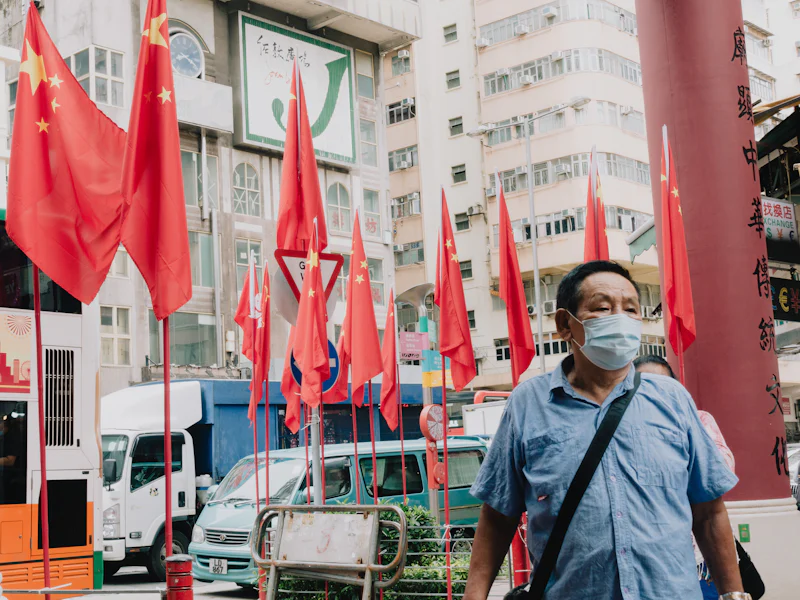
Socially, many ABCs find themselves in a unique middle ground. You may not fully connect with the typical expat bubble, as your experience of China is fundamentally different. At the same time, breaking into purely local circles can be difficult if you aren’t fluent in the latest slang or don’t intuitively grasp the nuances of “关系” (guānxi), the complex system of social networks and influence. This can lead to a feeling of being a “third-culture kid,” belonging to both worlds and neither. Social interactions can be layered; for example, while a non-Chinese foreigner might be forgiven for a cultural misstep, an ABC might be judged more harshly for the same mistake. Building a strong social network often involves seeking out other returnees (海归 hǎiguī), ABCs, or globally-minded locals who understand this hybrid identity.
Practical Strategies for Thriving
Success as an ABC in China hinges on proactively managing expectations. From your first interview, be clear and honest about your Mandarin proficiency. Frame it as a skill you are developing rather than a deficiency. In social settings, don’t be afraid to explain your background; it can turn moments of potential awkwardness into opportunities for genuine connection. Leverage your unique position by focusing on the value you bring. You can interpret Western business needs for a Chinese team and explain Chinese market dynamics to headquarters in a way few others can. Use essential tools like 微信 (WeChat) to build your professional and social networks, but learn the specific digital etiquette that governs communication on the platform.
Ultimately, thriving as an ABC in China means actively managing others' perceptions while carving out your own hybrid identity. For other ABCs or Chinese Americans here, what was the most surprising expectation you encountered after moving to China?
Quick Takeaways:
- Expect locals to assume you are fluent in Mandarin, regardless of your actual ability.
- In the workplace, you will often be treated as a cultural bridge between East and West.
- Your social experience will likely be a unique blend of local and expat circles.
- Proactively and clearly communicate your language skills to manage expectations from the start.
#abcinchina #chineseamerican #thirdculturekid
