The simplest way to tell if your Chinese jade souvenir is real is by using your senses. Genuine jade feels cold, dense, and smooth to the touch, and it produces a high-pitched, resonant sound when lightly tapped with a metal object. These at-home tests can quickly help you distinguish authentic jade from common fakes made of glass, plastic, or softer stones, which often feel warm, light, or sound dull. While not foolproof for determining high-grade quality, they are your first line of defense against obvious scams at a tourist market.
The Two Types of “Real” Jade
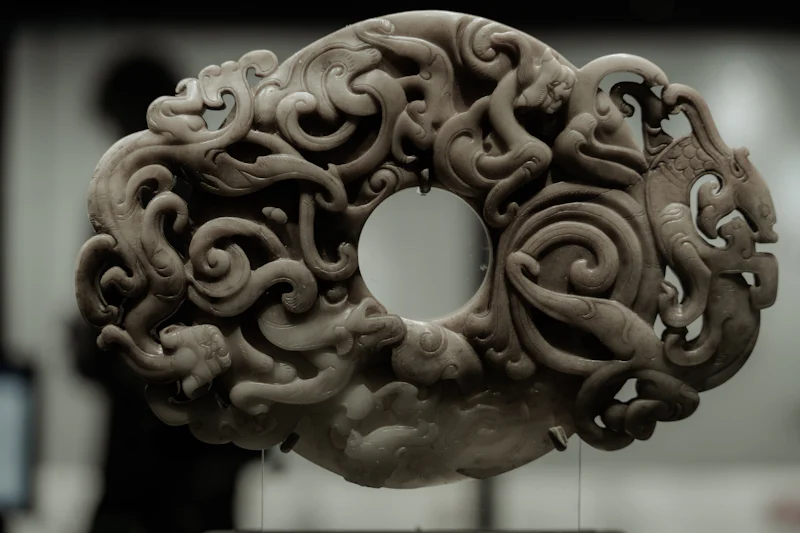
Before you start testing, it’s important to know that “jade” refers to two different minerals. The first is nephrite (软玉 ruǎn yù), a durable silicate of calcium and magnesium. This is the historical jade of China, used for thousands of years, and what most affordable souvenirs are made from if they are genuine. The second is jadeite (硬玉 yìng yù), a sodium and aluminum silicate. It’s rarer, harder, and often more vividly colored, especially in its prized emerald-green form. Jadeite is typically much more expensive and unlikely to be found at a typical souvenir stall.
Simple At-Home Authenticity Tests
For the piece you bought at the market, you can perform a few simple, non-destructive tests to check for authenticity.
1. The Feel Test: This is the quickest check. Real jade is a poor conductor of heat, so it should feel distinctly cold and smooth when you first pick it up. It will slowly warm to your body temperature. A piece that feels warm or plasticky right away is a major red flag. Additionally, jade is dense. It should feel surprisingly heavy for its size. Compare it to a similarly sized piece of glass or plastic to feel the difference in weight.
2. The Sound Test: Gently tap the item with a metal object like a key or a coin. Authentic jade, due to its crystalline structure, will produce a clear, high-pitched, and lingering chime-like sound. A fake made of glass will produce a higher-pitched but less resonant “clink,” while softer stone fakes or plastic will make a dull, flat “thud.” If you have two pieces you suspect are jade, tapping them together should produce this musical ring.
3. The Scratch Test: This is the most definitive at-home test, but be careful. Jade is very hard—nephrite is a 6 to 6.5 on the Mohs hardness scale, and jadeite is 6.5 to 7. A steel knife blade or pin is usually around 5.5. Therefore, you should be able to scratch the steel with your jade, but the steel should not scratch the jade. Find an inconspicuous spot on your souvenir and try to make a small scratch with the tip of a pin or pocketknife. If it leaves a metallic streak that you can wipe away, the jade is likely real. If the steel leaves a permanent scratch or gouge, your piece is probably a softer stone like serpentine (蛇纹石 shé wén shí) or even plastic.
Limitations of At-Home Tests
These tests are excellent for weeding out cheap imitations like glass, plastic, or soapstone. However, they can’t tell you everything. They will not help you differentiate between nephrite and jadeite, nor can they determine the quality of the jade, which is based on factors like color, translucency, and texture. Furthermore, these methods cannot reliably detect treated jade. For example, “B” grade jade is genuine jade that has been bleached and injected with polymer to improve its appearance, and “C” grade jade has been artificially dyed. These treatments significantly lower its value but are undetectable without professional equipment.
Understanding Value and Common Scams
When buying jade in China, especially from a market, manage your expectations. A small, genuine but low-quality jade horse carving might cost ¥200–¥500. Anything sold for a price that seems too good to be true (like a detailed bracelet for ¥50) is almost certainly fake. Be wary of vendors who pressure you with stories of “ancient” or “imperial” jade at bargain prices. The real value of a jade horse or any other carving depends heavily on the material's quality, craftsmanship, and provenance. For a simple souvenir, focus on whether you like the piece aesthetically. If you plan to spend a significant amount of money, only buy from a reputable jeweler who provides a certificate of authenticity.
Ultimately, the best approach for a tourist is to buy jade for its beauty and sentimental value, not as a financial investment. What’s the most common “jade” scam you've encountered at tourist markets in China?
Quick Takeaways:
- Real jade feels cold and dense and will warm up slowly in your hand.
- Use a steel pin to scratch a hidden spot; real jade will not be damaged.
- Tap it with metal; a high-pitched chime suggests authenticity over a dull thud.
- Assume market souvenirs are for looks, not investment, unless from a certified dealer.
#chineseculture #jade #chinatravel