While it is entirely possible to navigate China using only your legal name, adopting a Chinese name is a gesture that significantly eases the friction of daily life. In a culture where personal relationships and mutual respect are foundational to social and professional success, a Chinese name acts as a bridge. It demonstrates that you are not just a transient visitor but someone committed to integrating into the environment. Beyond simple politeness, it functions as a practical tool for streamlining everything from coffee orders to complex banking transactions.
The Practical Benefits of a Chinese Name
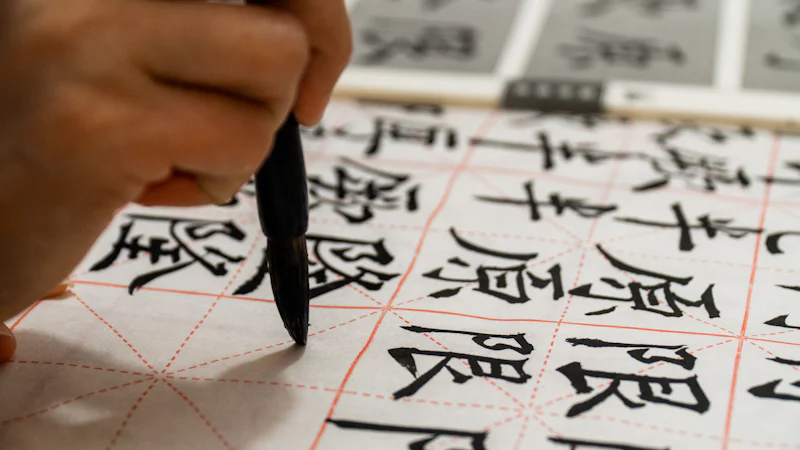
When you use an English name in a Chinese environment, you often encounter phonetic limitations. Most Chinese people will struggle to pronounce, remember, or transcribe your Western name, which can lead to errors in record-keeping. By having a Chinese name, you eliminate these bottlenecks. For instance, when you visit a bank, having a name that conforms to the standard Pinyin system ensures that your account information is entered correctly the first time. The same logic applies to delivery services and residential registration; providing a localized name helps the couriers and property management teams associate your identity with the local system more reliably.

How to Select Your Chinese Name
Selecting a name should be a collaborative process. Avoid simply using an online random name generator, as these often produce results that sound archaic, humorous, or culturally tone-deaf to native speakers. Instead, follow a structured approach to ensure your chosen name carries the right meaning and gravitas.
Step 1: Choose a phonetic approximation. The goal is to select characters that sound similar to your actual name while maintaining a professional connotation. Do not try to force a sound that doesn't exist in Mandarin; opt for characters that offer a pleasant, natural flow.
Step 2: Consult with trusted native speakers. Approach a local colleague or a long-term Chinese friend and ask for their opinion. Ask: "Does this sound professional?" or "Does this have any negative connotations?" Native speakers have an intuitive sense of how characters pair together. A common pitfall is choosing characters that are rarely used in names, making you sound like a character from a period drama rather than a contemporary professional.
Step 3: Keep it short. A standard Chinese name usually consists of a one-character surname and a one or two-character given name. Avoid overly complex or obscure characters that might cause issues with digital forms or ID scanning. Simplicity is your best friend when navigating government portals or mobile applications.
Common Pitfalls to Avoid
One of the most frequent mistakes is using a direct translation of the meaning of your name. For example, if your name is "River," avoid choosing a character that literally means a body of water unless you have discussed it with a local. Names carry history and cultural nuances; what sounds poetic in English might sound whimsical or bizarre in Chinese. Another issue is gender neutrality. Certain characters are traditionally masculine or feminine, and using them incorrectly can cause minor social confusion. Always check the tone and the context of the characters you select to ensure they align with the image you wish to project.
Once you have finalized your name, ensure that it is used consistently across your accounts. Update it in your mobile payment apps, your work email signature, and your professional networking profiles. Consistency prevents administrative headaches later on.
Does having a Chinese name feel like a genuine extension of your identity, or do you view it strictly as a pragmatic utility for daily living?
