The most practical way to tell if jade in China is real is by using your senses: authentic jade feels cold, smooth, and surprisingly heavy for its size. When held up to a light source, it will reveal complex, fibrous, or granular inclusions inside. Perfectly uniform color and clarity, especially at a low price, are major red flags, as most genuine pieces have natural imperfections. Fakes made of glass or resin often feel lighter, warm up quickly in your hand, and may contain perfectly round air bubbles instead of natural stone patterns.
Real Jade: Nephrite vs. Jadeite
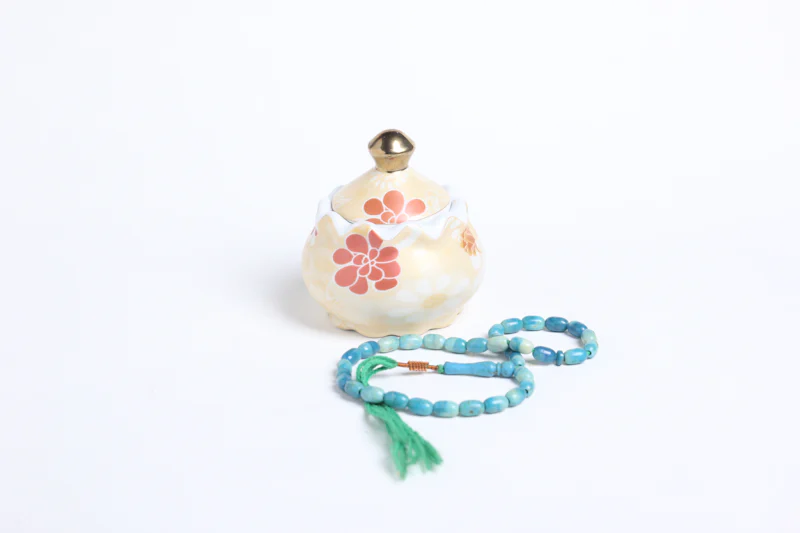
Before you can spot a fake, it’s crucial to know that the term “jade” in China actually refers to two distinct minerals. The first is nephrite (软玉, ruǎnyù), a durable stone traditionally used in Chinese carvings for thousands of years. It has a smooth, almost oily luster and typically comes in shades of white, celadon, and dark green. The second is jadeite (硬玉, yìngyù), which is rarer, harder, and generally more valuable. Jadeite is famous for its vibrant, emerald-green hue, often called “Imperial Jade,” though it also appears in lavender, red, and black. Most affordable souvenirs are nephrite or lower-quality jadeite; high-quality jadeite is extremely expensive.
Common Fakes to Watch For
Scammers use a variety of materials to imitate jade. Serpentine is one of the most common substitutes; it looks very similar to nephrite but is much softer and can be easily scratched. Aventurine quartz, often dyed a bright green, is another popular fake. You can also find pieces made from dyed marble, glass, or even plastic resin. Be wary of jade that has been treated. Type A jadeite is completely natural. Type B has been bleached and injected with a polymer to improve its transparency, while Type C has been artificially dyed to enhance its color. These treatments significantly lower the stone’s value, and sellers should always disclose them.
Simple On-the-Spot Tests
You don’t need to be a gemologist to perform a few basic checks when you’re shopping. These jade testing methods can help you weed out obvious fakes:
- The Touch Test: As mentioned, real jade feels cold and dense. Hold it in your palm for 30 seconds. A piece of glass or plastic will quickly warm to your body temperature, while real jade will remain noticeably cool.
- The Visual Test: Use your phone’s flashlight and shine it through the stone. Look for tiny, interlocking fibrous structures. It should look like felted asbestos or sugar crystals, not a perfectly uniform liquid color. If you see perfectly round bubbles, it’s almost certainly glass.
- The Sound Test: If you have two pieces you believe are real, gently tap them together. They should produce a high-pitched, musical chime. A dull, low-pitched thud suggests a softer stone or a non-stone material.
- The Scratch Test (Use with Caution): Jadeite has a Mohs hardness of 6.5-7, and nephrite is 6-6.5. A steel pocketknife blade, with a hardness of about 5.5, should not be able to scratch real jade. You can try to make a tiny scratch on an inconspicuous spot (like the bottom). If it scratches easily, it is not genuine jade. Always ask for the vendor’s permission before performing this test.
Understanding Jade Grading and Price
The most important question is often, “How much is real jade worth?” The answer depends entirely on quality, type, and treatment. Always ask for a 鉴定证书 (jiàndìng zhèngshū), or certificate of authenticity, from a reputable testing center when buying an expensive piece. For a small, genuine, untreated (Type A) nephrite pendant, expect to pay at least a few hundred RMB. A decent, small Type A jadeite piece will start at ¥1,000 RMB and can go up exponentially from there. If someone offers you a brilliant green bangle for ¥200 at a tourist market, you can be confident it isn't real.
The best defense against buying fake jade is to manage your expectations and trust your judgment—if a deal seems too good to be true, it absolutely is.
What are the most common jade scams or tourist traps you've encountered in your city?
Quick Takeaways:
- Real jade feels cold, dense, and heavy for its size.
- Use a light to look for natural, fibrous inclusions; uniformity is suspicious.
- Ask if jadeite is “Type A,” meaning it is 100% natural and untreated.
- Expect to pay hundreds of RMB for real nephrite and thousands for decent jadeite.
- Always buy from reputable stores that can provide a certificate for expensive items.
#chineseculture #jadejewelry #shoppinginchina
