Yes, Tongji University’s architecture program is arguably the best choice for foreigners wanting a top-tier design education in China, but its value depends heavily on your adaptability. The university's stellar reputation and location in Shanghai provide unparalleled opportunities. However, international students must be prepared for a demanding, highly competitive environment where the curriculum, even when taught in English, is deeply rooted in the Chinese pedagogical system. Success requires more than just academic talent; it demands resilience and a genuine commitment to cultural immersion.
A Reputation Built on Rigor
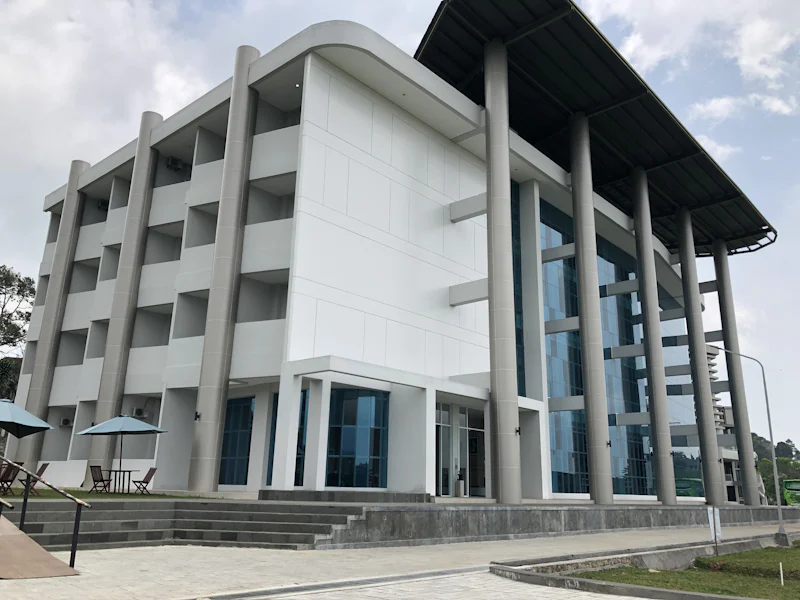
Tongji’s College of Architecture and Urban Planning (CAUP) is consistently ranked #1 in China and among the top programs globally. This isn't just marketing; the reputation is earned through a curriculum that heavily emphasizes technical proficiency alongside design theory. Unlike some Western programs that prioritize conceptual exploration, Tongji grounds its teaching in structural engineering, materials science, and urban planning realities. This technical foundation makes its graduates highly sought after by firms that value practical, build-ready skills. The name Tongji on a resume carries significant weight within China's architecture, engineering, and construction (AEC) industry.
The Studio-Centric and Demanding Curriculum
The core of the Tongji experience is the design studio. Be prepared for long hours and intense workloads. The culture of the 通宵 (tōngxiāo), or pulling an all-nighter, is not an exaggeration—it's a standard practice before major deadlines. The English-taught bachelor's program is well-established, but the teaching style may differ from what you expect. Critiques, known as 评图 (píng tú), can be direct and challenging. While core lectures are in English, many professors and teaching assistants are non-native speakers, so communication can sometimes require patience. Furthermore, a significant portion of the learning happens peer-to-peer, and since the majority of your talented classmates will be Chinese, you'll find discussions about projects often revert to Mandarin.
Unmatched Career Prospects in Shanghai
Studying architecture in Shanghai is like studying finance on Wall Street; you are at the epicenter of the industry. Tongji’s deep connections with the city’s top design firms—both international giants like Gensler and SOM and leading Chinese practices—create a wealth of internship and networking opportunities. The university hosts frequent guest lectures, portfolio reviews, and recruitment events that are invaluable for career building. However, these opportunities are not just handed to you. Building 关系 (guānxì), or personal connections, is crucial. While a Tongji degree opens the door, securing a full-time position after graduation often requires at least HSK 4 level Mandarin to effectively communicate with clients and local construction teams.
Bridging the Language and Cultural Gap
Even within the English-taught program, a lack of Chinese language skills can be isolating. You will miss out on nuanced conversations during critiques, informal collaborations with classmates, and the broader social life of the university. To truly thrive, you must proactively study Mandarin. Aim to pass the HSK 3 exam by the end of your second year and HSK 4 before graduation. This effort not only enriches your social experience but also signals to future employers that you are serious about a long-term career in China. It's the single most important factor, outside of your design portfolio, for successfully transitioning from being an international student to a working professional in the country.
Ultimately, Tongji offers a world-class architectural education that is both technically robust and professionally advantageous, but its real value is unlocked by students who embrace the linguistic and cultural challenges head-on. For those who've studied or worked in architecture in China, what's one skill you found essential that wasn't taught in the classroom?
Quick Takeaways:
- Tongji is consistently ranked China's #1 university for its rigorous architecture programs.
- Expect an intense studio culture where all-nighters, or 通宵 (tōngxiāo), are common.
- Shanghai provides exceptional career access, but networking (关系) is key.
- Conversational Mandarin (HSK 4) is critical for professional success post-graduation.
#tongjiuniversity #studyinshanghai #architecturestudent
