Driving across China is an adventure that offers unparalleled freedom, but managing fuel requirements requires a shift in how you monitor costs and find stations. Unlike many Western countries where fuel prices are standardized nationwide, China operates under a system where prices are adjusted periodically by the National Development and Reform Commission (NDRC). Because stations in different provinces may vary slightly due to local logistics or premium grade offerings, having a reliable way to check fuel pricing and station locations is essential for any road trip itinerary.
Utilizing Digital Ecosystems
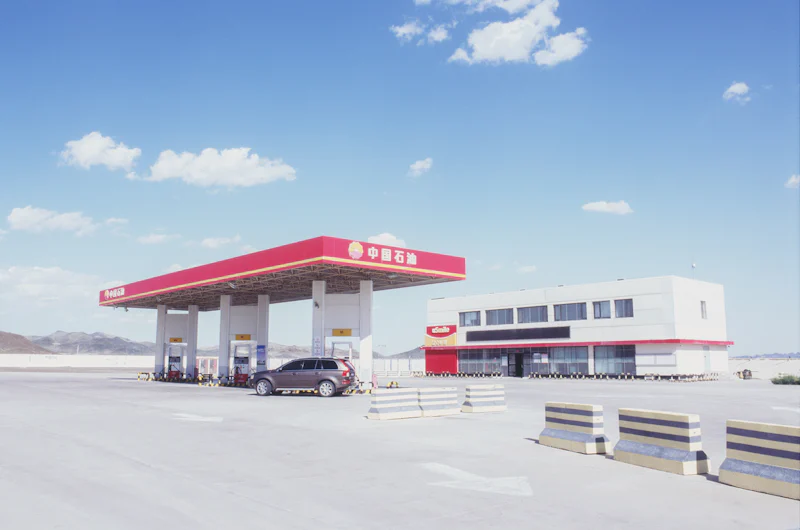
The most reliable way to monitor fuel prices and locate gas stations is through the major domestic super-apps. Alipay (支付宝) and WeChat (微信) contain built-in mini-programs that are far more accurate than generic map apps. When you open Alipay, search for "加油" (jiāyóu - refueling). This will trigger a list of nearby PetroChina (中国石油) or Sinopec (中国石化) stations. These platforms often display the current price per liter for 92, 95, and 98 octane fuel, allowing you to compare costs if you are near a provincial border.
Beyond simply locating a station, these mini-programs allow you to pay directly from your phone. This is a significant advantage because it eliminates the need for cash or credit cards at the pump. Once you arrive at the station, you simply enter the pump number into the app, select your fuel grade, and pay upon completion. This digital trail also keeps a record of your expenses, which is helpful if you are documenting your travel costs.
Understanding Fuel Grades and Standards
In China, you will primarily encounter three types of gasoline: 92, 95, and 98 octane. Most rental cars and standard passenger vehicles are designed for 92, but many mid-to-high-range vehicles require 95. You should check the inside of your fuel cap or the car rental agreement for the manufacturer's recommended octane level. Do not attempt to "upgrade" to a higher octane than recommended, as it offers no benefit to standard engines and only increases your trip expenses.
Another critical factor is that rural or mountainous regions may have fewer stations. If you are traveling through western provinces like Gansu or Xinjiang, plan your refueling stops strategically. Do not wait for your fuel light to turn on. Aim to refuel whenever you reach the quarter-tank mark to ensure you are never stranded in remote corridors where service stations may be 100 kilometers apart.
Avoiding Common Pitfalls
One common mistake foreigners make is relying exclusively on Apple Maps or Google Maps for gas station locations. While these maps may show the existence of a station, they do not provide real-time pricing data or current operational status. Always cross-reference your route with Amap (高德地图) or Baidu Maps. These platforms are the gold standard for navigating Chinese roads and are updated by millions of users daily. If a station has temporarily closed for maintenance, these apps are typically the first to display that information.
Furthermore, be aware of "branded" vs. "private" stations. In major cities, you will see many independent gas stations. While they are usually safe, they may not offer the same fuel quality consistency as the state-owned giants like Sinopec or PetroChina. If you are driving a luxury or high-performance vehicle, sticking to the state-owned chains is the safest policy to avoid potential fuel impurity issues that could trigger a check-engine light.
Strategic planning is the foundation of a successful road trip in China. By leveraging local apps and maintaining a conservative refueling schedule, you can minimize logistical stress and focus on the scenery. Have you ever encountered a situation where you struggled to find fuel in a remote area, and what did you do to manage the situation?
Quick Takeaways:
- Use Alipay or WeChat mini-programs to track real-time fuel prices
- Stick to PetroChina or Sinopec stations for the most reliable fuel quality
- Never let your tank drop below a quarter-full in remote or western regions
- Rely on Amap or Baidu Maps for accurate, up-to-date station location data
- Always verify your car's required octane rating before your first fill-up
#travelchina #roadtripchina #drivinginchina
