The decision between North and South Xinjiang for a two-week trip comes down to a simple preference: alpine scenery vs. Silk Road history. Northern Xinjiang offers a landscape of stunning lakes and vast grasslands often compared to Switzerland, while Southern Xinjiang is a journey through stark deserts and ancient oasis cities steeped in Uyghur culture. While it's tempting to see both, a two-week timeframe realistically forces a choice. Trying to cover the entire region in one trip will leave you exhausted and spending most of your time in transit.
Northern Xinjiang: Alpine Lakes and Grasslands
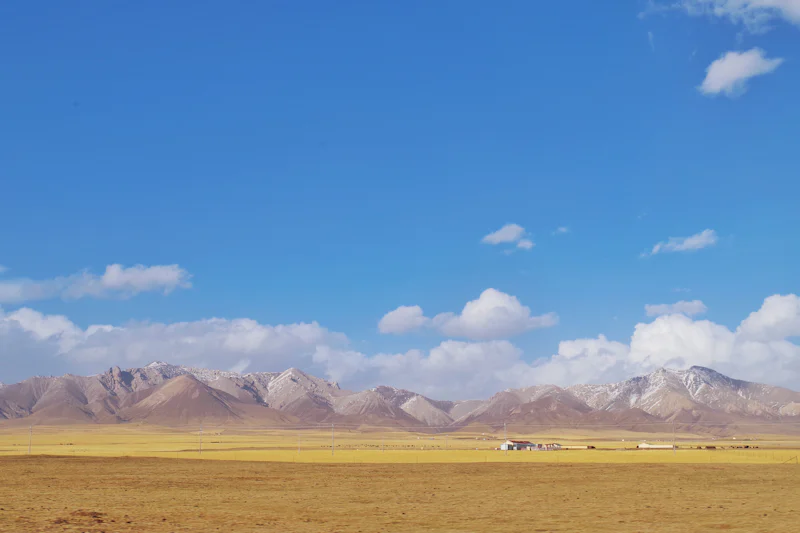
Often called the “Switzerland of the East,” Northern Xinjiang is defined by its natural beauty. The main draw is the Kanas Lake (喀纳斯湖, Kānàsī Hú) area, known for its turquoise waters that change color with the seasons, surrounded by Siberian larch forests. Nearby, Hemu Village offers a glimpse into the life of the Tuvan and Kazakh people. Further south, you’ll find the incredible Sayram Lake and sprawling grasslands like Nalati, where nomadic herders graze their livestock.
The culture here is predominantly Kazakh and Mongolian. You'll see yurts scattered across the steppes rather than the mosques and bazaars that define the south. For a two-week itinerary, fly into the capital, Urumqi (乌鲁木齐, Wūlǔmùqí), and hire a private car with a driver. This is the most efficient way to navigate the huge distances between sights. A typical loop would take you from Urumqi up to the Kanas region, then west towards the Kazakh borderlands before circling back. A private car will cost roughly 800–1200 RMB per day. The best time to visit is from June to September.
Southern Xinjiang: Desert Landscapes and Silk Road History
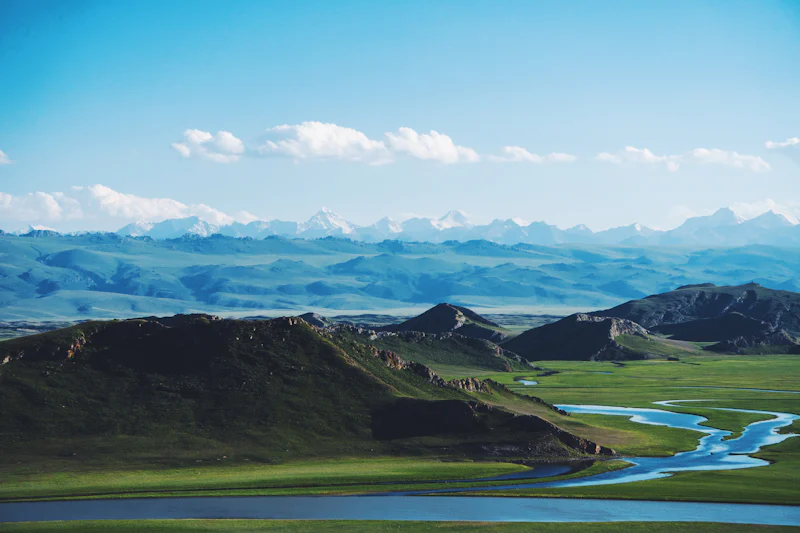
Southern Xinjiang is the historical heart of the Silk Road. The journey here is one of cultural immersion and dramatic, arid landscapes. The soul of the region is Kashgar (喀什, Kāshí), an ancient oasis city with a vibrant Old Town, the bustling Sunday Bazaar, and the Id Kah Mosque. This is the center of Uyghur culture. From Kashgar, the legendary Karakoram Highway stretches south towards the Pakistan border, offering breathtaking views of the Pamir Plateau, Karakul Lake, and Muztagh Ata peak.
A two-week trip can be centered entirely around Kashgar. You can fly there directly or take a long but scenic train ride from Urumqi (over 20 hours). Spend several days exploring the city and its surroundings before hiring a car for a multi-day trip down the Karakoram Highway to Tashkurgan, the main town in the Tajik Autonomous County. A key piece of logistics is the border permit, or biānfáng zhèng (边防证), required for this highway. Your tour operator or driver can arrange this for you in Kashgar, but it requires at least one business day. The best travel window is spring (April-June) and autumn (September-October) to avoid summer’s intense heat.
Making the Choice for a 2-Week Trip
So, north vs south Xinjiang travel? If your primary goal is landscape photography and scenic driving, choose Northern Xinjiang. Its accessibility and world-class natural sights like Kanas Lake provide a visually spectacular and relatively straightforward road trip. It’s an ideal choice for a first-time visitor who wants to be wowed by nature.
If you are more interested in deep cultural immersion, history, and adventure, head to Southern Xinjiang. The experience of wandering through Kashgar's Old Town or driving on the “roof of the world” along the Karakoram Highway is unforgettable. This route requires more planning with permits and altitude considerations (Tashkurgan is over 3,000 meters), making it better for travelers who prioritize cultural depth over pristine nature. For a two-week trip, stick to one. Combining them means sacrificing at least four days to travel alone, a poor use of limited time.
Ultimately, your decision should be guided by your primary interest—breathtaking nature or ancient culture—as each region excels in one. For those who have been, what was one unexpected challenge or highlight of your Xinjiang trip?
Quick Takeaways:
- Pick North Xinjiang for alpine lakes, green grasslands, and Kazakh culture.
- Pick South Xinjiang for deserts, Silk Road history, and Uyghur culture.
- A 2-week trip is best spent focusing on just one region, not both.
- A car with a driver is essential for flexible travel in either region.
- Plan for a border permit (边防证) for the Karakoram Highway in the south.
#travelchina #xinjiang #silkroad
