The China 144-hour transit visa, officially known as the Transit Without Visa (TWOV) policy, allows citizens from 54 specific countries to stay in certain Chinese regions for up to six days without a visa. Its most critical rule is that you must be in transit to a third country or region. This means your travel itinerary must be from Country A, through China, to Country C. A simple round trip from your home country to China and back to your home country does not qualify. Understanding this single point is the key to successfully using the policy.
The “Third Country” Rule Is Non-Negotiable
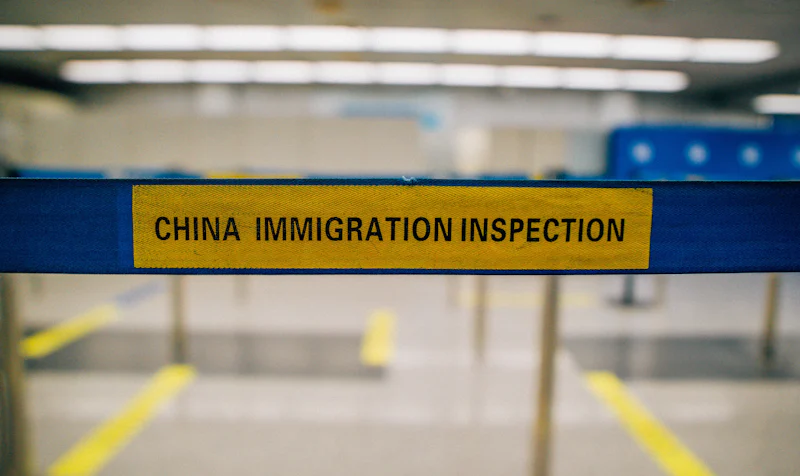
This is the most common reason travelers are denied entry under the 144-hour policy. Your inbound and outbound flights cannot originate from and depart to the same country. For example, a flight path of New York (USA) → Shanghai (China) → Tokyo (Japan) is valid. However, a path like New York (USA) → Shanghai (China) → Los Angeles (USA) is invalid, even if you use different airports in the USA. Hong Kong, Macau, and Taiwan are considered separate regions for this purpose, making routes like London (UK) → Beijing (China) → Hong Kong perfectly acceptable. You must present a confirmed air, cruise, or train ticket showing your departure to that third destination within 144 hours of your scheduled arrival.
Eligible Nationalities and Ports of Entry
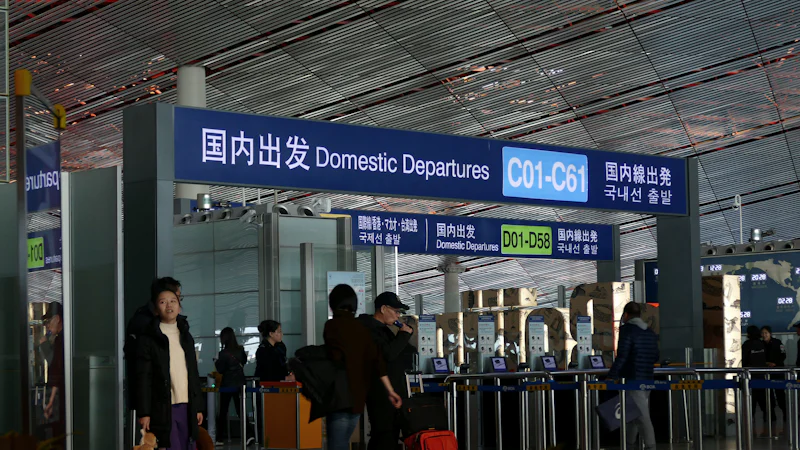
The policy is not open to everyone. It currently covers 54 countries, including the United States, Canada, the United Kingdom, Australia, New Zealand, Japan, South Korea, and all countries in the European Union’s Schengen Area. Before planning, always verify your nationality is on the official list. Furthermore, the policy only applies to specific entry and exit ports grouped into administrative regions. Major hubs include the Beijing-Tianjin-Hebei region (e.g., Beijing Capital Airport - PEK), the Shanghai-Jiangsu-Zhejiang region (e.g., Shanghai Pudong Airport - PVG), and Guangdong province (e.g., Guangzhou Baiyun Airport - CAN). When you apply for this 过境免签 (guòjìng miǎnqiān), or “transit visa exemption,” you must enter and exit through one of the designated ports.
Calculating Your 144 Hours
One of the best features of the policy is how the time is calculated, which often gives you more than exactly 144 hours. The clock does not start upon landing. Instead, it begins at 00:01 on the day following your arrival. For instance, if your flight lands in Shanghai at 7:00 AM on June 10th, your 144-hour stay officially begins at midnight on June 11th. This means you must depart China before 23:59 on June 16th. This generous calculation gives you a full six days in the region, plus the entire day you arrived. Always double-check your departure flight to ensure it falls comfortably within this window.
Required Documents at Immigration
To be granted entry, you must approach the dedicated 144-hour transit visa counter at immigration. Be prepared with the following documents:
- A valid passport with at least three months of remaining validity.
- A confirmed onward ticket to a third country or region with a departure date within 144 hours of arrival.
- A completed Arrival/Departure Card, which you can fill out at the airport.
Airline staff at your departure airport will check for the onward ticket before letting you board, as they face fines for transporting ineligible passengers. Having a printout of your ticket confirmation is highly recommended.
Staying Within the Permitted Zone
Once granted entry, you are restricted to the specific administrative region associated with your port of entry. For example, if you enter through Shanghai Pudong Airport (PVG), you are permitted to travel anywhere within Shanghai municipality, Jiangsu province, and Zhejiang province. You could, for instance, take a high-speed train from Shanghai to visit Hangzhou or Nanjing. However, you cannot travel outside this designated area. Flying from Shanghai to Beijing or Xi'an during your transit stay is strictly forbidden and would be considered an overstay, leading to fines and potential future entry bans.
The 144-hour transit policy is an excellent way to experience a part of China without the hassle of a visa, but success depends entirely on following its strict transit and regional rules.
What has been your experience using the 144-hour transit policy, and are there any specific airport procedures others should know about?
Quick Takeaways:
- Your itinerary must be Country A → China → Country C; round trips are invalid.
- The 144-hour clock begins at midnight on the day after your arrival.
- You must stay within the specified administrative region of your entry port.
- A confirmed onward ticket to a third country is mandatory for approval at immigration.
- Hong Kong, Macau, and Taiwan count as third regions for transit purposes.
#chinatransitvisa #travelchina #visafreetravel
