Managing indoor climate control in Chinese apartments requires navigating a blend of centralized systems, individual units, and local regulations. Whether you are dealing with the harsh northern winters or the humid southern summers, understanding how your specific building handles temperature regulation is the first step toward living comfortably. Many apartments in northern provinces rely on centralized heating (nuanqi), while most modern developments across the country use individual split-system air conditioning units for both heating and cooling. Identifying your system early prevents unnecessary confusion when the seasons shift.
Navigating Centralized Heating
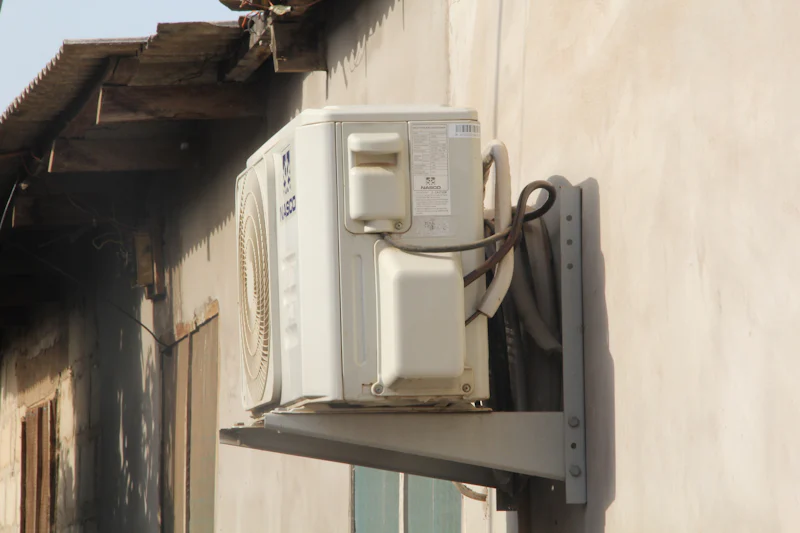
If you reside in northern China, you likely have access to centralized heating. This system typically runs from November 15th to March 15th, though dates are adjusted by the local municipal government based on weather patterns. The heating is usually "on" or "off" with little room for individual granular control.
- Step 1: Check your radiators for a small valve or "bleed screw." If the radiator is cold at the top but warm at the bottom, there is trapped air. Use a flathead screwdriver to slowly open the valve just enough to let the air hiss out until water begins to trickle, then close it tightly.
- Step 2: If the apartment remains cold, contact your property management office (wuyechu). They are responsible for ensuring the pipe pressure meets municipal standards. Provide them with your unit number and, if possible, take a photo of the temperature reading on a wall-mounted thermometer to prove it falls below the legal minimum of 18 degrees Celsius.
- Common Pitfall: Avoid placing thick curtains or furniture directly in front of the radiators, as this creates a heat trap and prevents the room from circulating air effectively.
Managing Split-System AC Units
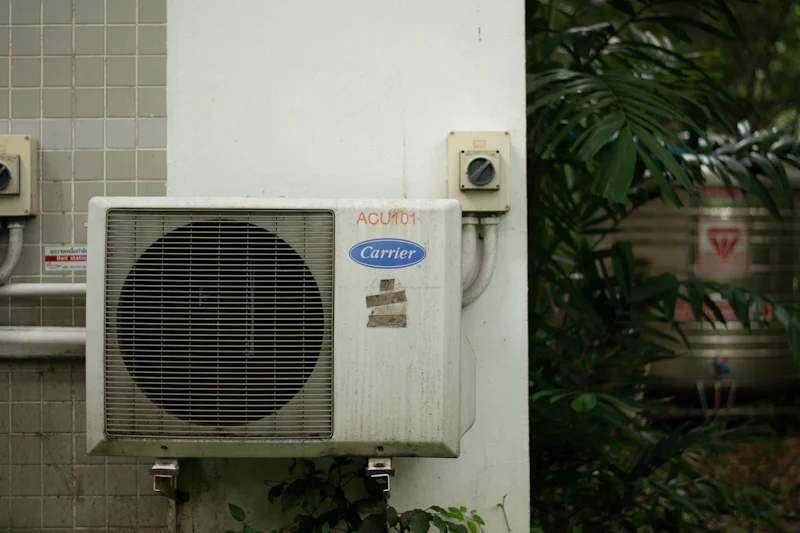
For most of the country, individual AC units are the primary method of climate control. These units are often capable of both cooling and heating, typically labeled as "heat pump" systems.
- Step 1: Inspect the remote control. Look for the "Mode" button and select the icon resembling a sun for heating or a snowflake for cooling. Set the temperature to a moderate level, usually 24-26 degrees Celsius in summer or 20-22 degrees Celsius in winter.
- Step 2: Clean the filters regularly. Dust accumulation is the primary cause of inefficient operation. Open the front panel, remove the mesh filters, rinse them under warm water, and let them dry completely before reinserting. Do this at least every three months.
- Step 3: Consider the humidity. In southern regions, the "Dry" mode (often represented by a water drop icon) is highly effective for reducing indoor moisture during the rainy season without making the room excessively cold.
Practical Troubleshooting
If your AC unit produces a burning smell or leaks water, turn off the power immediately at the circuit breaker. Water leakage is almost always caused by a blocked drainage pipe. Use a wet-dry vacuum or a specialized drain-clearing tool from the local hardware store to clear the line. If the issue persists, request a professional technician through your building manager or use a service app like 58.com or Meituan to find local repair services. Expect to pay between 100 and 200 RMB for a standard cleaning and inspection visit.
For those in buildings without modern infrastructure, localized heating is a valid supplement. Electric oil-filled radiators are generally safer than fan heaters, as they do not dry out the air as intensely. When purchasing these, ensure the product has the "CCC" safety certification mark visible on the box or unit.
Ultimately, climate comfort in a Chinese apartment relies on proactive maintenance rather than reactive repairs. Keeping your filters clean and establishing a good relationship with your property management office ensures that you spend less time managing equipment and more time enjoying your space. Have you discovered any specific hacks for keeping your apartment temperature consistent during the transition seasons?
Quick Takeaways:
- Centralized heating runs from November 15th to March 15th in northern cities.
- Clean AC filters every three months to ensure optimal airflow and efficiency.
- Use the Dry mode icon to manage high humidity levels in southern regions.
- Contact property management if indoor temperatures consistently stay below 18 degrees Celsius.
- Always check for the CCC safety mark when buying portable heating equipment.
#livingguide #expatchina #homehacks
