Deciding between Beijing vs Shanghai for expats comes down to a clear trade-off: choose Beijing for deep cultural immersion and careers in tech or policy, and choose Shanghai for a fast-paced, international commercial lifestyle. Neither is universally “better”; the right fit depends entirely on your personal and professional priorities. Shanghai offers an easier landing for many foreigners with its Western conveniences, while Beijing demands a bit more adaptation but rewards with a unique connection to China’s heart.
Career Opportunities: Capital vs. Commerce
Your industry is the single most important factor. Beijing, as the nation’s capital, is the undisputed center for government, diplomacy, state-owned enterprises (SOEs), education, and journalism. Its tech scene, centered in the Haidian district’s 中关村 (Zhongguancun), is China’s Silicon Valley, making it a hub for software engineers, entrepreneurs, and VCs. If your work involves policy, academia, or deep-tech, Beijing has the clear advantage.
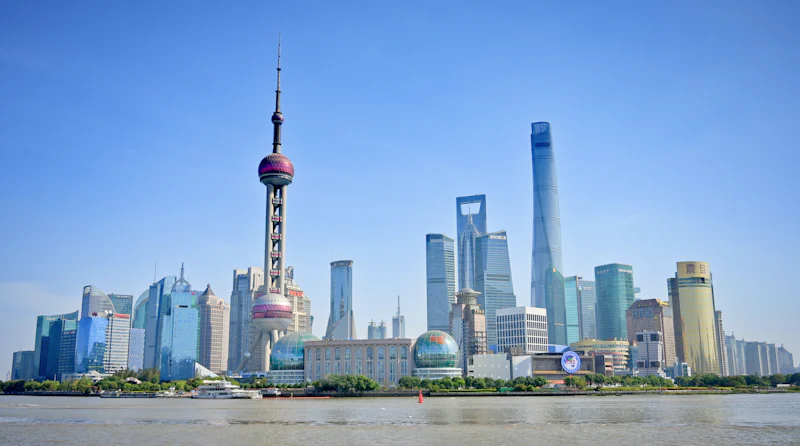
Shanghai is the engine of China’s economy. It’s the hub for finance, international trade, marketing, and luxury goods. The world’s top multinational corporations have their China headquarters here, particularly in the Lujiazui financial district. For careers in banking, logistics, creative advertising, or corporate law, Shanghai’s opportunities are far more abundant and globally connected. Shanghai expat life is often defined by its dynamic commercial energy.
The Social and Cultural Scene
Social life in these cities feels fundamentally different. Beijing’s is more sprawling and integrated. Life can revolve around historic 胡同 (hutongs), traditional alleyway neighborhoods with hidden courtyard bars and cafes, offering a uniquely local flavor. The expat community is diverse, with a large number of students, artists, and academics alongside corporate professionals. It’s a city where you are gently forced to engage more with the local culture, which can be incredibly rewarding.
Shanghai’s social scene is more concentrated and international, especially within the Former French Concession. It’s filled with tree-lined streets, boutique shops, and a seemingly endless supply of world-class restaurants and cocktail bars. It’s much easier to live a comfortable “expat bubble” lifestyle in Shanghai, and you can get by with less Mandarin in your daily social interactions. It’s faster, more trend-driven, and feels more like a global city like New York or London.
Cost of Living: A Tale of Two Tiers
Both cities are expensive, but your biggest expense—rent—is significantly different. The cost of living in Beijing is generally lower, driven almost entirely by housing. A modern one-bedroom apartment in a central Beijing district like Chaoyang might cost ¥8,000–¥12,000 per month. A similar apartment in Shanghai’s central Jing’an or Xuhui districts could easily run ¥10,000–¥15,000, a difference of 20-25%. Daily expenses like transportation (subway fares start at ¥3) and food are largely comparable, especially when using delivery apps like 美团 (Meituan). A major factor when comparing living in Beijing vs Shanghai is how much of your salary will go to your landlord.
Air Quality and Environment
There’s no escaping this topic. Beijing has made monumental strides in combating pollution, but its geography means it is still prone to smog, particularly during the winter months. Days with an Air Quality Index (AQI) over 150 are not uncommon. While no longer the “airpocalypse” of the past, it remains a serious consideration for those with health concerns.
Shanghai, being a coastal city, enjoys better air circulation. While it has its own pollution, the AQI is generally lower and severe smog events are far less frequent. The city also feels greener, with more public parks and an urban layout that feels less imposing than Beijing’s grand, sprawling avenues.
Ultimately, the choice hinges on what you value most: a career in China's political and tech core with deep cultural roots, or a role in its international commercial powerhouse with a more Western-friendly lifestyle.
For those who have lived in both, what was the single biggest factor that made you prefer one city over the other?
Quick Takeaways:
- Beijing excels in tech, government, and education; Shanghai leads in finance and international trade.
- Shanghai's city-center rent is typically 20-25% higher than Beijing's for comparable apartments.
- Beijing's air quality has improved but remains a bigger concern than in coastal Shanghai.
- Shanghai offers a concentrated, Western-style social scene; Beijing's is more spread out and culturally integrated.
#beijingvsshanghai #expatlife #chinacities