Planning a two-week Xinjiang trip without a car is not only possible but also a rewarding way to experience the region’s vastness by using its well-developed public transport network. The key is to avoid overstretching your itinerary. Instead of trying to conquer both the northern and southern circuits, focus on one. This approach turns a logistical challenge into a manageable and immersive adventure, allowing you to leverage the efficient train system for long hauls and buses for more regional travel.
Choosing Your Route: North vs. South
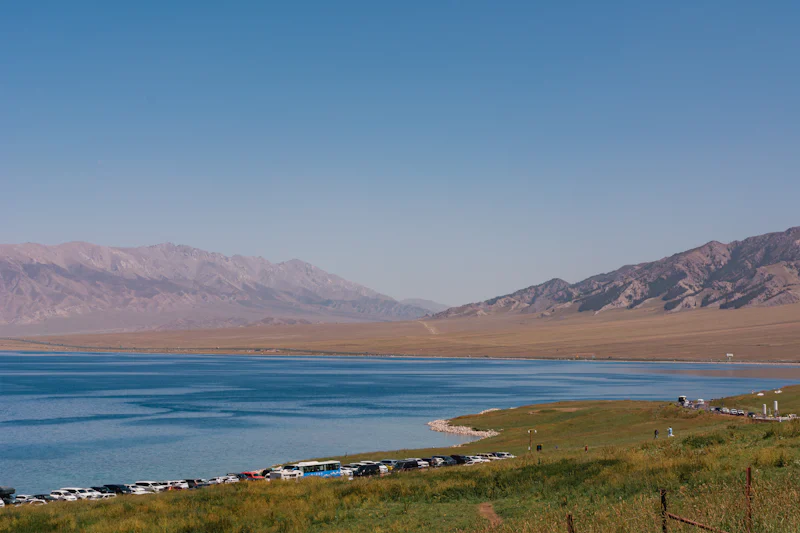
Your first decision is whether to explore North Xinjiang (北疆, Běijiāng) or South Xinjiang (南疆, Nánjiāng). They offer vastly different experiences and have different public transport considerations.
North Xinjiang is famed for its alpine scenery: turquoise lakes, pine forests, and rolling grasslands. It’s home to iconic spots like Kanas Lake, Hemu Village, and Sayram Lake. This route is generally recommended for first-time visitors because the tourism infrastructure and transport links between major hubs like Urumqi, Burqin (for Kanas), and Yining are more established. You’ll find more frequent buses and a more beaten path.
South Xinjiang revolves around the Silk Road’s rich history, desert landscapes, and vibrant Uyghur culture. Key destinations include Kashgar, Hotan, and the edges of the Taklamakan Desert. This route is more rugged and culturally immersive. While major cities are connected by train, travel between smaller towns and historical sites often requires longer, less frequent bus journeys. It’s perfect for the traveler prioritizing cultural depth over natural landscapes.
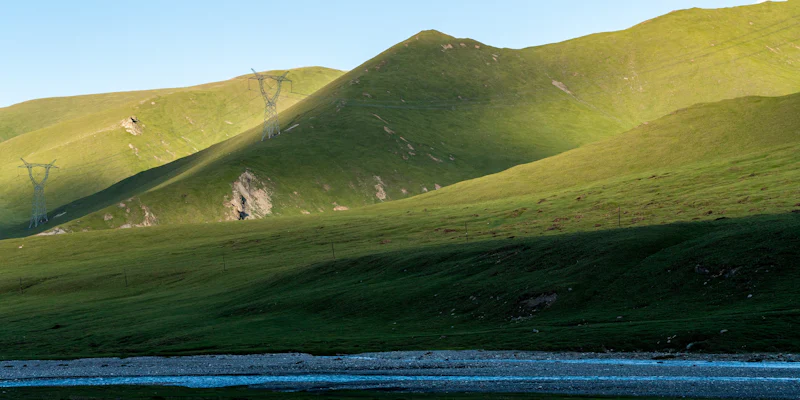
A Sample 14-Day Northern Itinerary
For a car-free trip, the northern route is more straightforward. Here’s a practical itinerary that relies entirely on public transport and occasional shared taxis:
- Days 1-2: Urumqi. Arrive and acclimate. Explore the Xinjiang Regional Museum and the International Grand Bazaar.
- Day 3: Overnight Train to Burqin. Take an overnight train from Urumqi to Fuhai or Beitun, the closest train stations to Burqin. The journey takes around 10-12 hours, saving you a day of travel and a night’s accommodation cost.
- Days 4-6: Kanas & Hemu. From the train station, take a bus or shared taxi to Burqin town. Burqin is the gateway to the Kanas scenic area. From the Burqin bus station (客运站, kèyùn zhàn), you can get tourist buses to Jiadengyu, the entrance to Kanas National Park.
- Day 7-8: Burqin to Yining (Ili). This is a long travel day. You’ll likely take a long-distance bus (长途汽车, chángtú qìchē). It's best to buy your ticket a day in advance directly at the station. This leg showcases the region’s vast distances.
- Days 9-11: Yining and Grasslands. Use Yining as a base to explore the Ili River Valley. Join local day tours or use buses to visit places like the Nalati Grasslands. Local transport is more readily available here.
- Day 12: Train to Urumqi. Take a high-speed or regular train back to Urumqi. You can book this easily on the 铁路12306 (Tiělù 12306) app.
- Day 13: Tianchi Lake. From Urumqi, take a simple day trip to Tianchi (Heavenly Lake) via tourist buses that leave from the city.
- Day 14: Depart. Fly out of Urumqi.
When to Hire a Driver
While a fully car-free trip is feasible, some areas are far easier to navigate with a private car. The most effective strategy is to hire a driver for specific, targeted portions of your trip, a practice known as 包车 (bāochē). For example, instead of relying on infrequent park buses in the Kanas area, you could hire a driver for 2-3 days to explore Kanas, Hemu, and Baihaba. Similarly, exploring the sites around Kashgar, like Karakul Lake, is much more efficient with a hired car. A reasonable daily rate is between 800–1,500 RMB, depending on the season and vehicle. This hybrid approach gives you flexibility where it counts most while saving money on the long-haul journeys.
The secret to a successful car-free Xinjiang adventure lies in embracing the journey itself and planning your route around major train lines and bus hubs. For those who have done it, what was the most challenging part of navigating Xinjiang’s public transport, and what tips do you have?
Quick Takeaways:
- Choose North Xinjiang for its stunning nature and more developed transport links.
- Book overnight trains on the 铁路12306 (Tiělù 12306) app to save time and money.
- Use a targeted 包车 (bāochē) for specific remote areas like Kanas, not the entire trip.
- Buy long-distance bus tickets directly at the station one day before you travel.
- Focus your itinerary on either the North or South route; don't try to do both.
#xinjiangtravel #travelchina #publictransport
