Deciding whether to live in Beijing or Shanghai depends entirely on your career and lifestyle priorities. Shanghai is often the winner for those seeking a fast-paced, international lifestyle centered on finance and trade. Beijing, on the other hand, is the undeniable hub for anyone in tech, education, diplomacy, or media, offering a deeper immersion into China’s cultural and political core. The choice isn't about which city is superior, but which one aligns with your personal and professional goals, balancing job prospects against daily life quality.
Career and Industry Focus
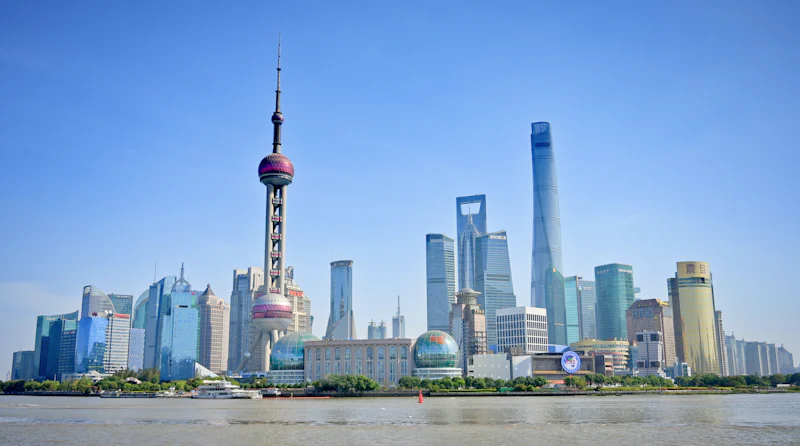
Your professional field is the most critical factor. Beijing vs Shanghai expat life is shaped by distinct economic engines. Beijing, as the capital, is the center for state-owned enterprises, major tech companies in the 中关村 (Zhōngguāncūn) district, top-tier universities, and the entire diplomatic corps. Jobs for foreigners in Beijing are abundant in education, software engineering, and international relations. Shanghai is China's financial powerhouse, home to the stock exchange and the gleaming towers of 陆家嘴 (Lùjiāzuǐ). It excels in banking, international trade, marketing, and luxury goods. If your resume leans towards corporate finance or logistics, Shanghai offers more opportunities.
The Real Cost of Living
The cost of living in Shanghai vs Beijing is a constant debate, but Shanghai is consistently more expensive, primarily due to housing. Rent for a one-bedroom apartment in a central, expat-friendly area like Shanghai’s Former French Concession can easily exceed ¥12,000 RMB per month. A comparable apartment in Beijing's Chaoyang or Dongcheng districts might be 15–25% cheaper. While daily expenses like public transport and local food are similar, the sheer volume of high-end dining, shopping, and entertainment options in Shanghai means your discretionary spending can quickly escalate.
City Vibe and Social Scene
The two cities feel worlds apart. Beijing is a sprawling, grand imperial capital with a rhythm dictated by its ring roads and historical weight. Its social life is more spread out, centered around exploring ancient 胡同 (hútòng) alleyways, visiting historic sites, or frequenting the live music scene around Gulou. It feels more rugged and traditionally Chinese. Shanghai is compact, cosmopolitan, and built on a more manageable grid. The expat social scene is heavily concentrated in areas like Jing'an and Xuhui, making it easy to build a network quickly. It’s polished, convenient, and feels more aligned with other global cities like New York or London.
Environment and Getting Around
Air quality is a major differentiator. While Beijing has made enormous strides, its AQI (Air Quality Index) can still reach unhealthy levels, particularly in the winter. Air purifiers are a standard home appliance. Shanghai, benefiting from its coastal location, generally enjoys better air quality, though it contends with higher humidity and more rainy days. In terms of transport, both cities have world-class subway systems. However, Beijing's notorious traffic jams can make surface travel a challenge. Shanghai’s layout can feel more intuitive to navigate, whether by metro, bike, or on foot in its more pedestrian-friendly central districts.
Ultimately, your choice is between the city that is modern China and the city that feels modern. For those who have lived in both, what was the one factor that made you choose one over the other?
Quick Takeaways:
- Choose Beijing for careers in tech, education, or government; pick Shanghai for finance and trade.
- Expect to pay 15–25% more for a comparable central apartment in Shanghai.
- Shanghai’s social life is more concentrated and international; Beijing’s is more traditional and sprawling.
- Air quality is a more significant daily concern in Beijing than in coastal Shanghai.
#beijingvsshanghai #expatlife #liveinchina