For travelers seeking the historical immersion of Pingyao without the peak-season crowds, China offers dozens of exceptionally preserved ancient towns that remain largely off the international radar. Places like Langzhong in Sichuan or Shaxi in Yunnan provide a more intimate glimpse into the country’s past, making them some of the best underrated travel spots in China. These destinations reward visitors with authentic cultural encounters, slower-paced exploration, and a palpable sense of history that can be hard to find in more famous locales. They are true hidden gems for anyone wanting to step off the beaten path.
Langzhong: Sichuan’s Feng Shui Capital
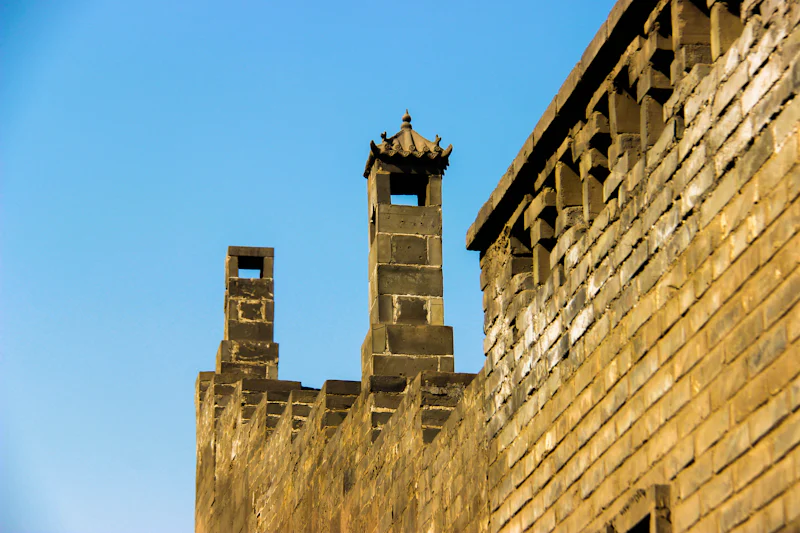
While Pingyao is famous for its city walls, Langzhong is renowned for its perfect layout, designed according to ancient principles of 风水 (fēng shuǐ). As one of China's “Four Great Ancient Cities”—alongside Pingyao, Lijiang, and Huizhou's ancient city—it is surprisingly overlooked by foreign travelers. Nestled on the Jialing River and surrounded by mountains, the town’s architecture is a pristine example of Tang and Song dynasty design. It is deeply connected to the Three Kingdoms period, particularly as the territory of General Zhang Fei. Beyond its history, Langzhong is famous for its 保宁醋 (Bǎoníng cù), a traditional black vinegar that has been produced for over 1,000 years. The town is now easily reachable via a 2.5-hour high-speed train from Chengdu, making it an accessible yet rewarding detour.
Shaxi: An Unspoiled Tea Horse Road Stopover
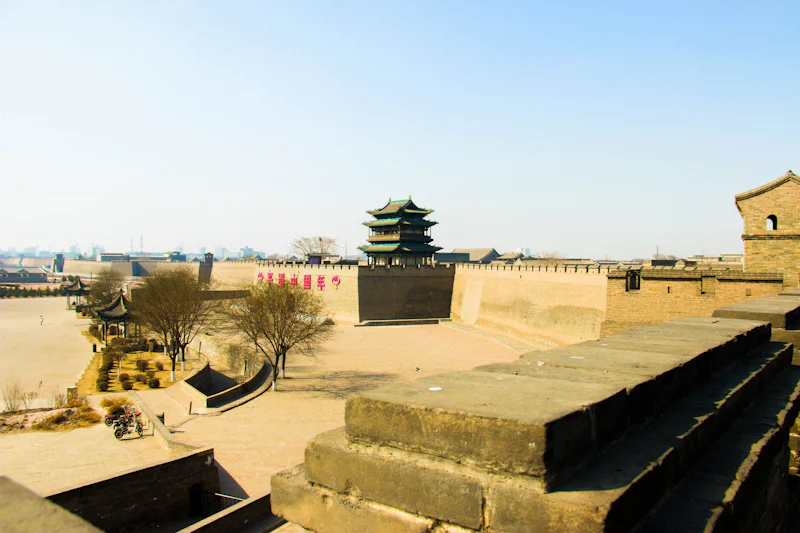
For one of the most authentic China travel experiences, Shaxi in Yunnan is unparalleled. This quiet town was once a crucial market hub on the ancient 茶马古道 (Chá Mǎ Gǔ Dào), the Tea Horse Road that connected Yunnan with Tibet and Southeast Asia. Its heart is the beautifully preserved Sideng Square, a cobblestone marketplace surrounded by traditional Bai minority architecture, an ancient theater stage, and quaint guesthouses. The real magic happens during the Friday market, when Bai and Yi people from the surrounding mountains descend to trade goods, a tradition that has continued for centuries. Unlike the polished streets of Lijiang, Shaxi feels lived-in and real. It is more remote, typically reached by a 1-hour bus ride from the nearby town of Jianchuan, which helps preserve its tranquil atmosphere.
Anchang: A Living Canal Town
Many travelers visit the water towns near Shanghai, but most have become highly commercialized. Anchang, near the city of Shaoxing in Zhejiang province, offers a refreshing alternative. It provides a genuine look at life on the canals. Here, the river is still the center of community life; you’ll see residents washing clothes at the water’s edge and navigating in traditional 乌篷船 (wū péng chuán), or black-canopy boats. The town is famous for its 腊肠 (làcháng), savory cured sausages that hang from the eaves of buildings to dry, and the air is filled with the scent of rice wine from local distilleries. A boat ride costs around 40 RMB and offers the best perspective of this bustling, authentic water town. It’s an easy day trip, located just a 30-minute taxi ride from Shaoxing’s main high-speed rail station.
Ultimately, stepping away from the primary tourist circuit reveals a China that is not just preserved in museums but is vibrantly alive in its smaller towns.
What other ancient towns in China have you discovered that offer an authentic experience away from the main tourist trail?
Quick Takeaways:
- Visit Langzhong in Sichuan for its unique Feng Shui layout and Three Kingdoms history.
- Experience an authentic Tea Horse Road market by visiting the quiet town of Shaxi.
- Explore Anchang near Shaoxing for a less commercialized and living canal town experience.
#travelchina #hiddengems #ancienttowns