Moving to China as a student or with family can be an incredibly rewarding experience, though it requires a realistic assessment of your educational goals and comfort with cultural integration. Whether you are a university student planning an exchange or a parent considering high school education in China, the country offers unique academic opportunities that are largely unavailable elsewhere. However, success depends heavily on choosing the right environment—specifically whether you opt for a local public school system or an international private institution. The trade-offs in curriculum, language barriers, and long-term academic alignment are significant factors to weigh before relocating.
Understanding the Public School System
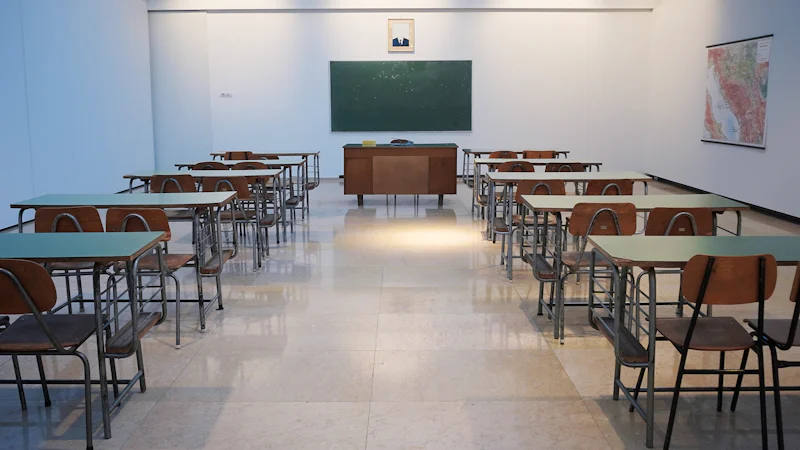
For expat children, enrolling in the local public school system (公立学校 - Gōnglì Xuéxiào) provides an unparalleled opportunity to achieve fluency in Mandarin and gain deep cultural insights. These schools are characterized by high standards in mathematics and science, rigorous discipline, and long hours. The environment is competitive, with students often engaging in intensive study sessions until 6:00 PM or later. However, the curriculum is entirely in Chinese, which makes this path suitable only for children who are already bilingual or those who can dedicate years to language acquisition. The administrative hurdle is also higher, as local schools are not always equipped to support students without 户口 (Hùkǒu - household registration), requiring additional paperwork and potentially local sponsorship or specific visa statuses.
The International School Alternative
International schools offer a curriculum aligned with Western standards, such as the International Baccalaureate (IB) or the British National Curriculum. For families coming from Western countries, this path provides educational continuity and reduces the stress of rapid cultural adjustment. These schools foster a diverse community, allowing expat children to network globally. The trade-off is the significant cost, with annual tuition often ranging from 200,000 to 350,000 RMB. While these institutions offer Mandarin classes, they rarely achieve the native-level mastery found in the public system. For university students, this choice is less relevant; instead, focus on the academic reputation of Chinese universities through the CUCAS (China’s University and College Admission System) portal to ensure your degree is recognized globally.

Navigating Cultural Integration and Logistics
Regardless of your schooling path, life in China is governed by digital tools that require immediate setup. Familiarize yourself with 微信 (Wēixìn - WeChat) for social communication and 支付宝 (Zhīfùbǎo - Alipay) for daily financial transactions. These tools are the backbone of modern student life and are required for everything from paying tuition to booking transportation. If you are moving with children, consider the location of your housing carefully; proximity to an international school campus is vital, as traffic in major cities like Beijing or Shanghai can turn a simple morning commute into a hour-long ordeal. Always verify your visa requirements through the 公安局 (Gōng'ānjú - Public Security Bureau), as student residence permits require annual renewal and proof of school enrollment.
Balancing Academic and Social Growth
Living in China as a student forces you to adapt to a high-speed, tech-centric lifestyle. Beyond the classroom, extracurricular activities are essential. Whether joining a local sports club or participating in university exchange groups, these interactions define your experience more than the curriculum itself. For families, the challenge is maintaining a balance between the intense academic expectations of the local culture and the need for traditional developmental experiences found in Western childhoods. Establishing a routine early on—such as using 高德地图 (Gǎodé Dìtú - Amap) for navigation and building a support network through school parent groups—can mitigate the initial culture shock.
Success in China hinges on balancing your desire for cultural immersion with the practical necessities of your educational structure.
What specific factors are most influencing your decision between the local public system and international schools for your family's move?
Quick Takeaways:
- Public schools offer superior language immersion but require high proficiency in Chinese.
- International schools ensure academic continuity but involve significant tuition costs up to 350,000 RMB.
- Use CUCAS to verify university credentials and ensure global degree recognition for students.
- Always set up WeChat and Alipay immediately upon arrival to handle essential payments.
- Plan your housing based on the proximity to your chosen school to avoid congestion.
#studyinginchina #expatfamily #internationaleducation
