Facial hair trends in China are currently dominated by a strong preference for clean-shaven faces, driven by modern aesthetic standards that equate a smooth complexion with professionalism, vitality, and youth. While ancient Chinese historical figures, particularly scholars and officials, were frequently depicted with long, flowing beards as symbols of wisdom and seniority, the contemporary workplace and social environment in China lean heavily toward the maintenance of a polished, hair-free appearance. For expats living in China, understanding these grooming norms is essential for navigating corporate culture and social interactions, as these perceptions influence everything from job interviews to daily interactions.
The Evolution of Grooming Standards

Historically, the 'beard' or 'mustache' in China was a marker of status, maturity, and Confucian authority. Today, however, these symbols have largely fallen out of favor in mainstream urban society. In the modern Chinese workplace, the expectation is typically a 'clean look' (整洁的形象), which implies that a man has the discipline to manage his appearance daily. For many, a beard is often misread as a sign of laziness or being 'sloppy' (邋遢). This cultural shift is largely influenced by the entertainment industry, where male idols and celebrities frequently present a soft, groomed aesthetic that prioritizes clear skin over rugged textures. Consequently, most professional environments, especially in international business hubs like Shanghai or Shenzhen, maintain unspoken expectations that male employees will be clean-shaven.
Workplace Expectations and Professionalism
When navigating the Chinese job market, it is important to understand that 'professionalism' (专业性) is often visually codified. During a job interview, appearing clean-shaven can be a significant advantage. If you work in a creative sector, such as graphic design or music, you might find more leniency regarding facial hair. However, in corporate settings, education, or government-linked roles, maintaining a smooth face is the safest way to demonstrate respect for established norms. If you decide to keep a beard, ensure it is meticulously groomed and trimmed, as a 'stubble' look is rarely perceived as an intentional style choice and is more likely to be viewed as a lack of preparation for the workday.
Social Perspectives and Grooming Habits
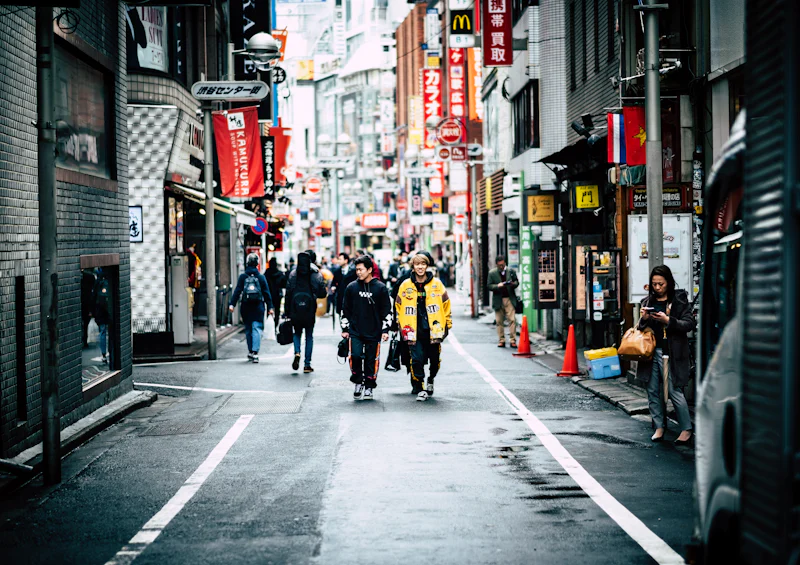
In social situations, the perception of facial hair is slightly more flexible but still adheres to the preference for a 'neat' (利落) look. Many young Chinese men view grooming as a form of self-care and a commitment to personal hygiene. Products like electric shavers from brands like 飞科 (Flyco) are ubiquitous, highlighting the ease with which men maintain their grooming routines. If you are dating or attending social gatherings, you may notice that facial hair is quite uncommon among the local population. Some people might find a beard unusual or even intimidating, while others may simply find it a novelty. Being aware of these perceptions can help you decide whether to maintain your beard or adapt to local expectations depending on your comfort level.
Adapting Your Personal Grooming Style
For expats, the goal is often to find a balance between personal expression and cultural adaptation. You do not necessarily have to abandon your facial hair if it is part of your identity, but being mindful of the context is key. If you are frequently meeting with conservative clients, a clean shave may help establish a sense of common ground and traditional professionalism. If you travel, you will find that grooming expectations remain consistent across most major cities, though regional variations exist in less urbanized areas. Regardless of your choice, maintaining a consistent and tidy appearance will always be recognized and respected in Chinese society.
Understanding that grooming is a non-verbal form of communication allows you to tailor your appearance to suit your specific career goals and social interactions in China.
What has been your personal experience with maintaining facial hair while working or living in a Chinese city?
Quick Takeaways:
- Clean-shaven faces are currently the standard for professional appearance in most Chinese workplaces.
- Historical associations with beards as symbols of wisdom have shifted toward modern, youthful aesthetics.
- Grooming is viewed as a reflection of personal discipline and respect for social contexts.
- Keeping facial hair well-groomed is essential if you choose to deviate from local trends.
#chinaculture #expatlifestyle #groomingtips