Setting up 支付宝 (Alipay) as a foreigner requires a passport, an active Chinese or international phone number, and a compatible bank card. While the process has been streamlined significantly, most users encounter roadblocks during the identity verification phase. The most important step to remember is that Alipay functions as an intermediary; you are essentially digitizing your existing bank account to interface with local merchants. By ensuring your name matches your passport exactly as it appears on your banking profile, you can avoid the common verification failures that plague new arrivals.
Linking International Credit and Debit Cards
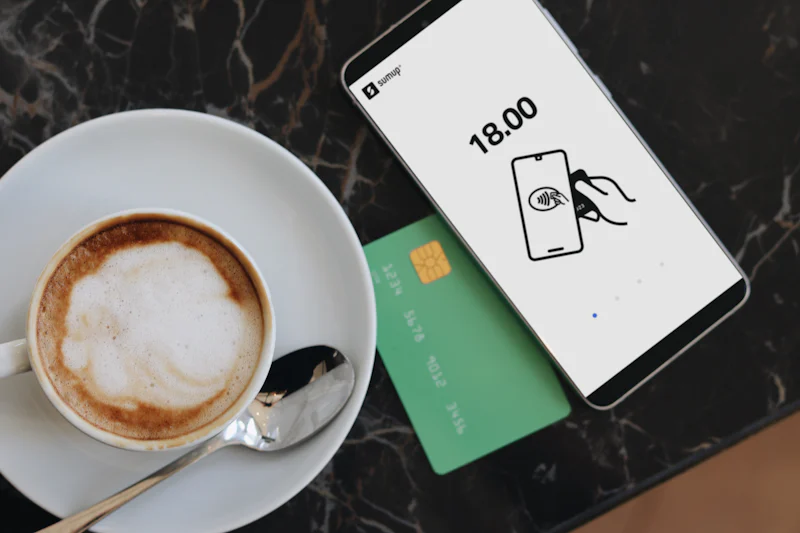
To link an international card, navigate to the ‘Bank Cards’ section within the app. You can add Visa, Mastercard, or JCB cards. Note that some cards issued by certain banks may be flagged by the security system. If your card is declined, verify that ‘International Transactions’ are enabled in your home bank’s mobile app. Keep in mind that transactions over 200 RMB may incur a small service fee. It is best to use a card that does not charge high foreign transaction fees to maximize your savings while making daily purchases.
Troubleshooting Verification Errors
The most frequent issue involves a ‘Name Mismatch’ error. Alipay requires your name to match your official travel document exactly. If your passport uses a specific format (e.g., SURNAME, FIRSTNAME), ensure you input it into the app in the same order. Another common hurdle is the ‘Face Recognition’ scan. Ensure you are in a well-lit area and avoid wearing glasses or hats. If the system fails repeatedly, you may need to use the ‘Tour Pass’ mini-program, which acts as a prepaid wallet for short-term visitors, effectively bypassing some of the stricter bank-linkage requirements.

Integrating with Local Transport Apps
Beyond shopping, Alipay is essential for commuting. You can access the ‘Transport’ feature by clicking the ‘Transport’ icon on the home screen. From there, you can activate the ‘Transit Code’ for your specific city. Once activated, the QR code generated will allow you to board buses and subways across major cities like Beijing, Shanghai, and Shenzhen. To ensure seamless travel, check that your default payment method in the settings is set to your primary card, as switching payment sources mid-transit can occasionally delay the fare deduction process.
Maintaining Security Standards
Always enable ‘Payment Password’ and ‘Biometric Authentication’ within the privacy settings. Because Chinese mobile payment systems are highly integrated, losing a phone without these protections could expose your linked accounts. Additionally, monitor the ‘Transaction Records’ weekly to ensure no unauthorized deductions occur. If you ever find yourself locked out, the ‘Help Center’ inside the app provides a ‘Chat with Agent’ feature that, while occasionally slow, is the most direct way to resolve identity verification blocks for non-resident accounts.
Mastering these digital tools is the single most effective way to integrate into daily life, as physical cash and traditional credit cards are increasingly rare in modern Chinese cities. Have you encountered specific bank cards that consistently fail to link despite meeting all the security requirements?
Quick Takeaways:
- Ensure your name matches your passport exactly to prevent verification errors during setup.
- Enable international transactions through your home bank before attempting to link your card.
- Use the Transport mini-program to generate QR codes for subway and bus entry.
- Enable biometric authentication in settings to secure your linked financial accounts effectively.
#alipay #livinginchina #expatguide
