In modern China, the clean-shaven look is the default standard because facial hair is historically and culturally associated with old age, lack of discipline, or a disconnect from professional corporate life. While Western standards have shifted toward embracing stubble or groomed beards, Chinese workplace culture remains deeply conservative. The preference for a smooth face reflects a desire to project youthfulness, efficiency, and adherence to team-oriented social norms. For many, grooming is not merely a personal preference but a reflection of how seriously one takes their role in a structured professional environment.
The Historical Context of Facial Hair
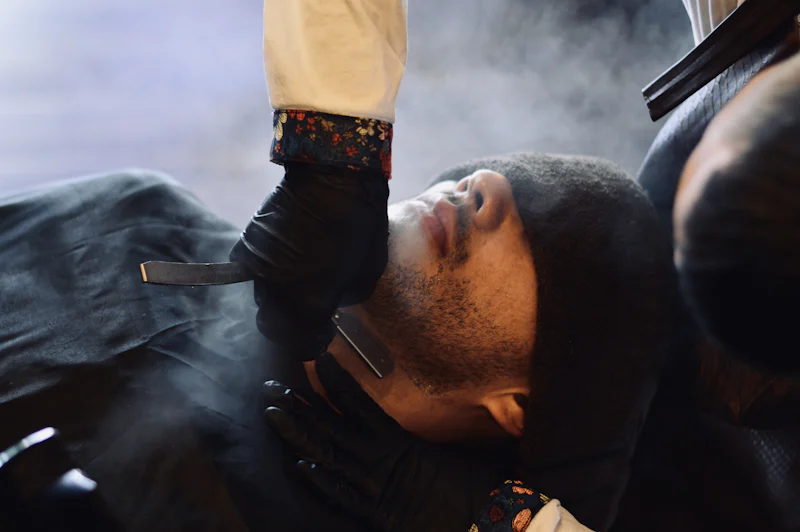
Historically, long, flowing beards were symbols of wisdom, high status, and maturity among scholars and officials, often referred to as 胡子 (húzi). However, as China modernized during the 20th century, Western-style grooming became the benchmark for professional progress. The transition away from traditional facial hair styles was influenced by the desire to modernize and align with global business standards. Today, maintaining a clean-shaven face is viewed as a sign of respecting one's counterpart and demonstrating a neat, orderly, and disciplined character in a business setting.
Professional Grooming Standards in China
If you work in a Chinese office, you will likely notice that facial hair is rare among local colleagues. Even in creative industries, a well-kept appearance is expected, and stubble can often be perceived as being unprofessional or slovenly. The phrase 讲究 (jiǎngjiù), which translates to being particular or fastidious, applies here; having a clean face indicates that you are attentive to detail and respect the shared workspace. Failing to shave is sometimes interpreted as a sign that an individual is not taking their workplace responsibilities seriously or is perhaps 'lazy,' which can subtly affect how peers and superiors perceive your reliability.
Cultural Perceptions and Modern Nuance
While the clean-shaven norm is dominant, there is a subtle distinction between being 'unshaven' and having a 'styled beard.' Young urbanites in cities like Shanghai or Chengdu are increasingly exposed to global fashion, but even among these groups, a full beard is often associated with subcultures or artistic pursuits rather than mainstream corporate life. If you are interviewing for a job or attending a formal business dinner, a clean-shaven appearance is the safest and most effective way to avoid unintentional negative signals. For those choosing to maintain facial hair, the key is extreme precision; an unkempt look is almost universally frowned upon, regardless of the industry.
Practical Tips for Expat Grooming
When traveling or living in China, maintaining your grooming routine is straightforward. Most hotels and local department stores sell high-quality razors and electric shavers. If you use a specific type of blade or grooming product, it is recommended to stock up or use an e-commerce platform like 淘宝 (Taobao) to find international brands. For those who insist on keeping facial hair, visiting a high-end local barbershop, often called a 理发店 (lǐfàdiàn), is a good way to ensure that your beard is professionally trimmed to a standard that matches your environment.
Understanding that your grooming choices communicate social and professional values is essential to navigating the workplace culture successfully. Have you ever felt that your appearance influenced how you were perceived in a business setting in China?
Quick Takeaways:
- Clean-shaven faces symbolize professionalism and discipline in the modern Chinese workplace.
- Avoid visible stubble during job interviews to ensure a positive first impression.
- Grooming is considered a sign of respect toward your colleagues and business partners.
- Use local e-commerce tools like Taobao to source high-quality grooming equipment consistently.
#cultureandlang #expatchina #businessetiquette