Yunnan province is a treasure trove of history, where the best-preserved sites blend Naxi, Bai, and Tibetan heritage against a backdrop of dramatic mountain landscapes. If you are planning a trip to this region, focus your itinerary on the well-managed hubs of Lijiang and Dali, but do not overlook the quieter villages that remain untouched by modernization. The most important insight for foreigners is that while major sites are highly accessible, the true historical soul of Yunnan is found in the smaller, UNESCO-protected towns where traditional architecture is still the standard for daily life.
Navigate the Lijiang Old Town labyrinth
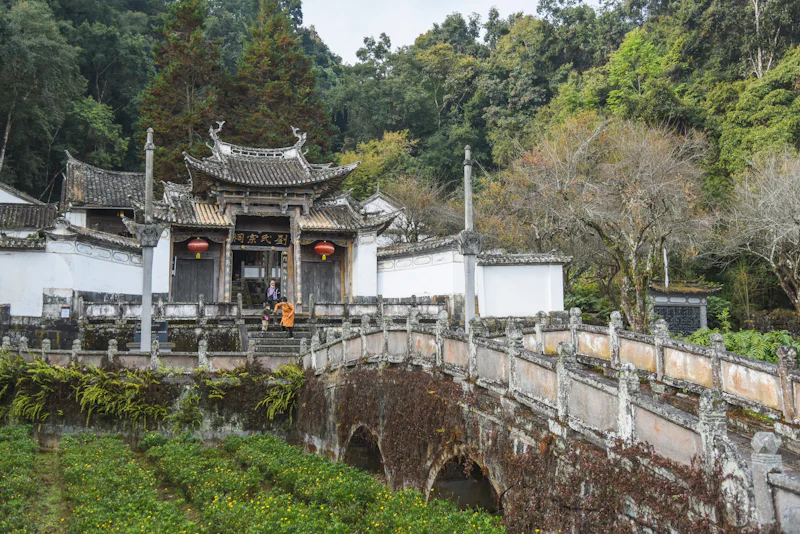
Lijiang Gucheng (Lijiang Ancient Town) is a masterpiece of Naxi urban design, centered around the Sifang Jie (Square Street). To avoid the massive crowds, visit during the early morning hours before 8:00 AM. While the main thoroughfares are heavily commercialized, venture into the side alleys where locals still practice traditional weaving. Use 高德地图 (Amap) to navigate the confusing stone paths, as street signs can be sparse. For a more authentic experience, hire a local guide who can explain the Dongba script, a unique pictographic system that is one of the oldest living writing systems in the world.
Experience the rhythm of Dali Ancient City
In contrast to the vertical intensity of Lijiang, Dali Gucheng (Dali Ancient City) offers a sprawling, grid-like layout framed by the Cangshan Mountains. The city is famous for its marble production and the iconic Chongsheng Temple with its Three Pagodas. Spend at least two days here to acclimate to the elevation of 2,000 meters. For accommodation, look for a courtyard hotel in the western section of the town; these are quieter and often housed in renovated Ming Dynasty structures. Keep your passport handy at all times, as security checkpoints are frequent when traveling between towns.
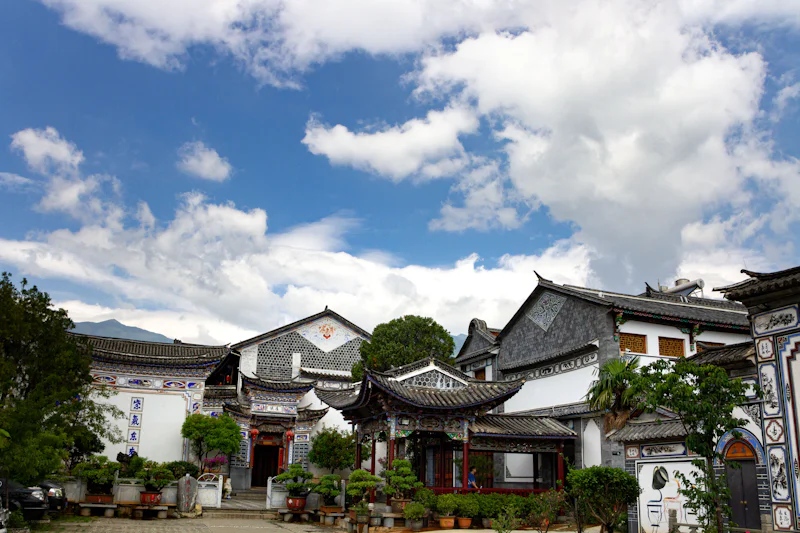
Explore the hidden Tibetan heritage of Shangri-La
Journeying north to Zhongdian, now known as Shangri-La, reveals the profound influence of Tibetan Buddhism. The Songzanlin Monastery, often called the Little Potala Palace, is the highlight here. Unlike the stone-paved streets of Dali, this site features gold-roofed temples and vibrant prayer flags. Ensure you have your 全国通用健康码 (National Health Code) ready on 微信 (WeChat), as even remote temple sites may require digital check-ins. If you visit in the winter, dress in layers, as temperatures drop rapidly once the sun sets behind the mountains.
Practical tips for cultural immersion
When visiting historical sites, always carry physical cash or ensure your 支付宝 (Alipay) is fully verified with your passport, as some smaller temple vendors do not accept international credit cards. Respect local customs by removing your hat in temples and avoiding public displays of affection at religious sites. If you choose to visit the outskirts of these towns, hire a local driver through your hotel; standard taxi apps like 滴滴 (Didi) may struggle to reach the more remote historical villages located in the mountain valleys.
Understanding the history of these sites requires looking past the souvenir shops to appreciate the underlying social structures and architectural preservation efforts that define modern Yunnan.
Which historical site in Yunnan surprised you the most during your visit?
Quick Takeaways:
- Visit Lijiang and Dali early in the morning to avoid heavy tourist crowds.
- Carry your passport at all times for necessary identity verification at local checkpoints.
- Use Amap for reliable navigation through the complex alleys of ancient towns.
- Verify your Alipay account to ensure seamless payments at rural historical sites.
#travelchina #yunnan #historicalchina #historicalchinaexploration
