Paying for university in China from abroad is best handled through an international wire transfer directly to the school’s official corporate bank account, as many Chinese university payment portals reject foreign-issued credit cards. While platforms like 支付宝 (Alipay) and 微信支付 (WeChat Pay) are ubiquitous for daily life within China, they are often difficult for non-residents to link to international bank accounts. By prioritizing a traditional bank-to-bank transfer or using a specialized third-party remittance service, you can ensure your funds arrive accurately and safely before your semester registration deadlines.
International Bank Transfers

The most reliable method for paying tuition from abroad is the SWIFT international bank transfer. You must obtain the official tuition fee payment details from your university’s international student office. This document will include the school’s bank name, account number, and, crucially, a specific remark or payment code. Without this code—often a student ID number—the university finance department cannot verify who sent the money. Expect a processing time of 3 to 7 business days, and ensure you instruct your bank to send the full tuition amount net of all fees, as intermediary banks may deduct charges during the process.
Third-Party Remittance Services
If you find bank wire fees prohibitive, services like Wise or Western Union are viable alternatives for paying tuition fees in China. These platforms offer better exchange rates than traditional banks. When using these services, choose the option that allows you to deposit directly into the university’s corporate account. Be aware that some universities strictly require transfers from a bank account held in the student’s name to prevent money laundering concerns. Always confirm with the school's finance office whether they accept payments from third-party remittance providers before initiating the transaction.
Limitations of Alipay and WeChat Pay
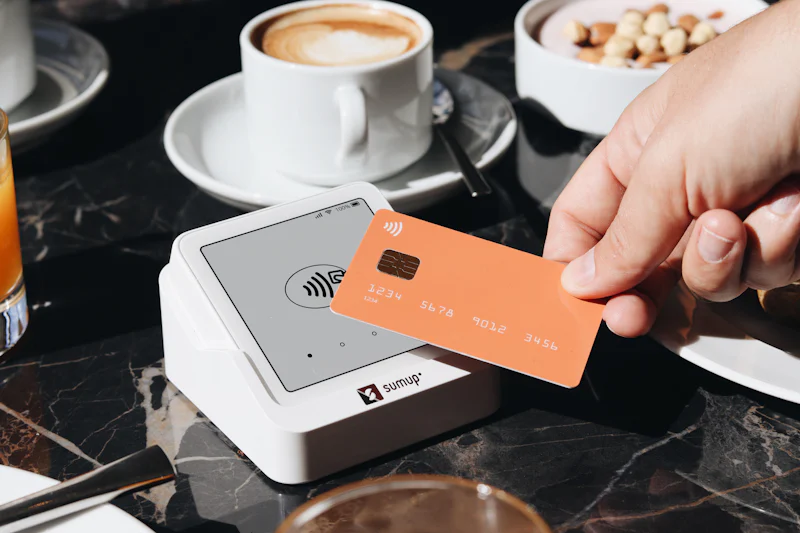
Many students attempt to pay tuition via 支付宝 (Alipay) or 微信支付 (WeChat Pay), but this is usually only feasible once you are physically in China with a local bank card. These platforms act as digital wallets; they generally do not allow international users to pay large tuition invoices directly from an overseas bank account. If you attempt to link a foreign card, you will likely encounter transaction failures due to strict foreign exchange controls. Avoid trying to use these apps for your initial tuition payment unless the university has explicitly provided a specific 'QR code' payment portal for international students that integrates with international gateways like Stripe or UnionPay.
Common Pitfalls and Documentation
The biggest mistake is failing to provide a proof of payment. After sending your tuition, you must scan or save the bank's transaction receipt. In China, this document is known as a 汇款回单 (Remittance Receipt). Email this to your university’s international office immediately. This record is essential for verifying your enrollment and securing your 录取通知书 (Letter of Admission) or other documents required for your visa application. Keep all digital copies for at least two years in case of administrative discrepancies during your stay.
Ensure that you always account for the volatile exchange rates and transaction fees when calculating how much to send to avoid an underpayment that could delay your registration process. What specific challenges have you encountered when dealing with Chinese university administrative systems from your home country?
Quick Takeaways:
- Use official SWIFT transfers to avoid payment failures through foreign-unsupported digital apps
- Always include your student ID number in the payment remarks or reference field
- Save a digital copy of your remittance receipt for future visa administrative needs
- Confirm with your university if they accept third-party remittance services like Wise
#studychina #universityfees #internationalstudents