Navigating the China transit visa TWOV process is straightforward if you strictly adhere to the 'third country' transit rule, which dictates your flight itinerary must be from Country A to China, and then to Country B. The 72 or 144-hour visa-free transit is not a tourist visa but a specific exemption for travelers transiting through designated ports of entry. Misunderstanding the transit route or failing to provide proof of onward travel are the most common reasons travelers are denied boarding at their departure airport or rejected by immigration officers upon arrival.
Verify Your Eligibility and Route
Before booking your flights, ensure your route qualifies under the 144-hour transit policy. You must arrive and depart from a permitted port of entry within the same administrative region. For example, if you arrive in Shanghai (PVG), you can travel within the Shanghai, Jiangsu, and Zhejiang region, but you must depart for a third country from an airport within that same cluster. Your boarding pass and confirmed onward ticket to a third country (not your country of origin) are the primary documents that immigration officers verify. Ensure the final destination on your flight ticket is confirmed before you depart your home country.
Managing Airline Check-in Pitfalls
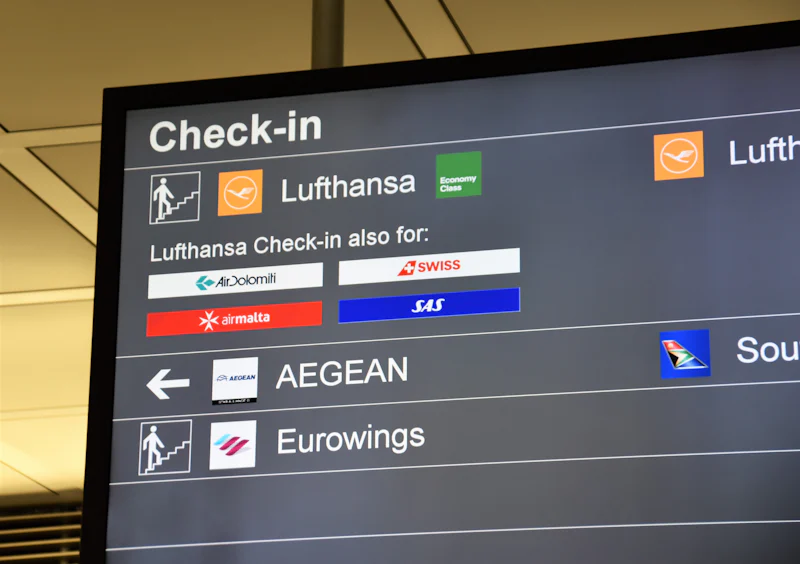
Many travelers face issues at the initial airline check-in counter because staff are often unfamiliar with the specific 144-hour transit regulations. If the ground staff claims you need a visa, remain calm and politely ask them to check the IATA (International Air Transport Association) Timatic database, which is the industry standard for visa requirements. Keep a printed copy of your flight itinerary and the official website link for the local Exit-Entry Administration Bureau (出入境管理局, Chūrùjìng Guǎnlǐjú) handy. Having these documents ready can save you hours of negotiation at the check-in desk.
Completing Arrival Procedures
Upon landing in China, follow the signs for 'Transit Without Visa' or '144-hour visa-free' rather than joining the standard customs queue. You will need to fill out a blue Arrival/Departure card specifically for transit passengers. Provide the immigration officer with your passport, confirmed onward ticket, and your temporary stay details. If you are staying at a hotel, ensure you have the address printed in Chinese characters. Once approved, you will receive a temporary entry permit stamp in your passport, which dictates the exact time and date your transit window expires. Be mindful that this stamp is legally binding, and overstaying by even an hour can result in fines or deportation.
Handling Regional Restrictions
It is critical to understand the geographic limitations of your transit permit. If you enter under the 144-hour policy in Beijing, you are restricted to the Beijing, Tianjin, and Hebei province area. You cannot travel to other cities like Shanghai or Guangzhou during this time. Attempting to cross these provincial borders without proper travel permits will trigger an alert in the 公安 (Gōng'ān), or Public Security, database when you check into a hotel or attempt to purchase high-speed rail tickets. Always verify the specific regional boundaries of the city you are arriving in before planning any side trips.
Success in utilizing the transit exemption hinges entirely on having a non-negotiable, confirmed onward flight to a third country and respecting the regional boundaries of your entry permit. Have you ever encountered resistance from airline staff regarding the transit visa policy, and how did you resolve it?
Quick Takeaways:
- Ensure your flight itinerary follows a strict A-China-B international transit route pattern.
- Always carry a printed, confirmed onward flight ticket to a third country.
- Request airline staff to verify the IATA Timatic database if denied boarding.
- Respect the specific provincial travel boundaries assigned to your transit entry point.
#chinatransit #144hourvisa #travelchina
