Experiencing a WeChat Pay payment failure in China is typically caused by outdated identity verification or restrictions on international cards rather than a flaw in the app itself. When your transaction is declined, the quickest way to resolve the issue is to ensure your passport details are perfectly synced within your account and to verify that your issuing bank allows foreign currency transactions within the Chinese payment ecosystem. While it can be frustrating to face an error at a checkout counter, these hurdles are usually security measures designed to protect your account from unauthorized activity.
Troubleshooting International Card Linking

If you are struggling to link a foreign credit card to 微信支付 (WeChat Pay), start by checking your bank's portal to ensure international online transactions are enabled. Many banks automatically block foreign transactions for security reasons until a travel notice is set. If the card is linked but still fails, it may be due to the merchant's payment terminal settings. Some small vendors only accept domestic bank cards or 支付宝 (Alipay) balance payments. To avoid this, always carry a small amount of cash as a backup or ensure your 支付宝 is also set up with an international card, as it often has higher success rates with foreign credit cards for small merchant payments.
Resolving Identity Verification Errors
If your account was working fine but suddenly reports a verification error, your passport information may have expired in the system. Go to the 'Wallet' section in WeChat, tap 'Cards', and check your account status. If you have recently renewed your passport, you must upload the new copy to the 实名认证 (Real-name authentication) section. This process can take 1 to 3 business days for approval. Remember that the name you enter must match your passport exactly, including the order of first and last names and any middle initials. Discrepancies here are the number one cause of payment blocks for foreigners in China.
Navigating Merchant-Side Restrictions
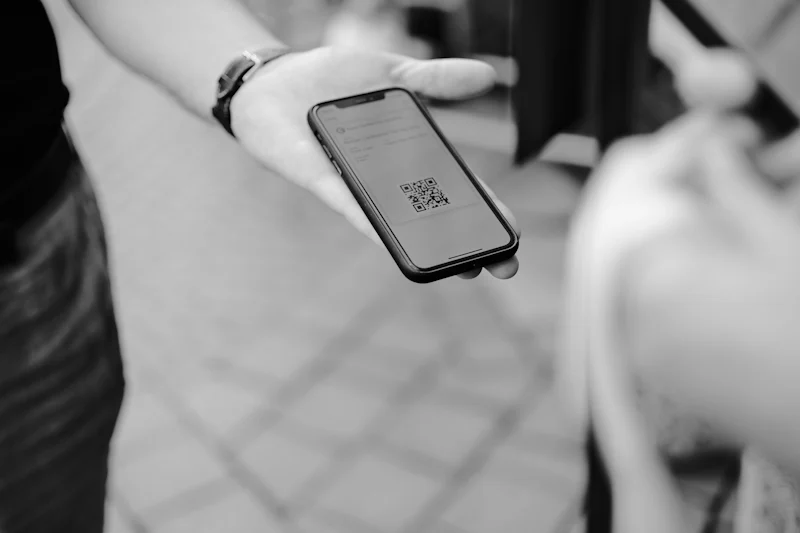
Not all QR code readers in China are created equal. Some merchant terminals are restricted to processing domestic cards only, meaning your international credit card will fail regardless of how well it is linked. If a transaction fails repeatedly at a specific shop, try scanning the vendor's static QR code rather than using your payment code. If that fails, switch to 支付宝. The two apps operate on different payment networks, and it is common for one to work while the other is restricted by a specific merchant's business account settings. Keeping both apps active with linked cards is the best strategy for seamless daily living.
Managing Daily and Annual Limits
Be aware that foreign-linked cards have strict transaction limits. Generally, there is a limit of 6,000 RMB per single transaction and 50,000 RMB annually. If you hit these caps, your payments will be declined without a clear error message. You can check your remaining limit under the 'Payment Management' settings in your wallet. If you plan to make a large purchase, such as high-speed train tickets or electronics, ensure you have not exceeded your monthly threshold for international card usage.
Ensuring your payment apps are fully verified with current passport data and having both WeChat Pay and Alipay installed will prevent almost all payment failures you encounter. Which of the two payment apps has proven more reliable for your specific card during your time in China?
Quick Takeaways:
- Verify your passport is current within the real-name authentication section of WeChat.
- Enable international transaction permissions through your home bank before arrival in China.
- Use Alipay as a secondary payment method if WeChat Pay is rejected locally.
- Monitor your transaction limits to avoid sudden declines on larger purchase amounts.
#wechatpay #chinatravel #expatsliving
