You can qualify for the 144-hour China transit visa as long as you are a passport holder from one of the 54 eligible countries and possess a confirmed onward ticket to a third country or region within 144 hours. This Transit Without Visa (TWOV) policy allows travelers to explore specific regions of China without a standard visa, provided you do not exit the designated administrative area. The most critical rule is that your itinerary must show a clear transit path: Country A to China, then China to Country C, where Country A and C are different entities.
Meeting the Third-Country Requirement
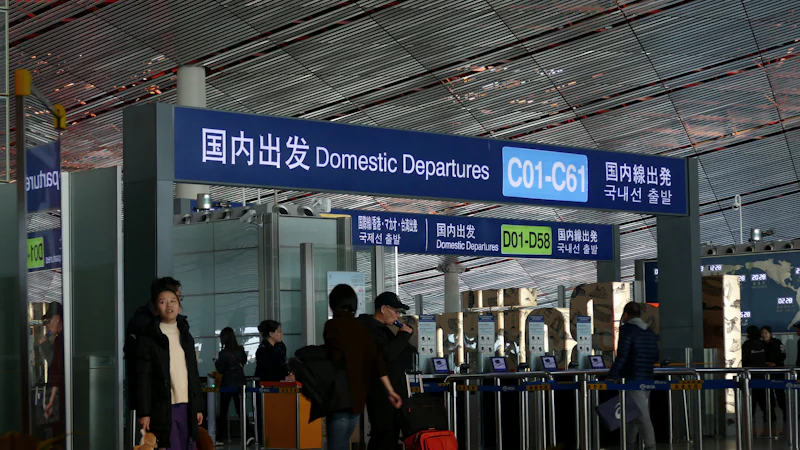
To qualify for the 144-hour visa, your flight path must be strictly A-China-B. If you fly London-Shanghai-London, you are ineligible because the arrival and departure points are in the same country. You must have a confirmed onward ticket to a third country or region. Note that Hong Kong, Macau, and Taiwan are considered 'third regions' for the purpose of this rule. For example, flying Tokyo-Shanghai-Hong Kong is a valid itinerary that triggers the 144-hour eligibility. Always print physical copies of your flight bookings, as immigration officers often require these to verify your transit timeline.
Navigating the Regional Limitations
One common pitfall is assuming the visa covers all of China. It does not. The 144-hour transit is restricted to specific regions, such as the Beijing-Tianjin-Hebei area, the Yangtze River Delta (which includes Shanghai, Jiangsu, and Zhejiang), and the Pearl River Delta. If you land in Shanghai, you must remain within the designated administrative boundaries of the Yangtze River Delta. Traveling beyond these provinces, such as taking a high-speed train to Beijing while on a Shanghai transit permit, will result in an immediate violation of visa regulations, leading to potential fines or detention. Always verify the boundaries of your entry port’s authorized zone before finalizing your internal travel plans.
Completing Mandatory Arrival Procedures
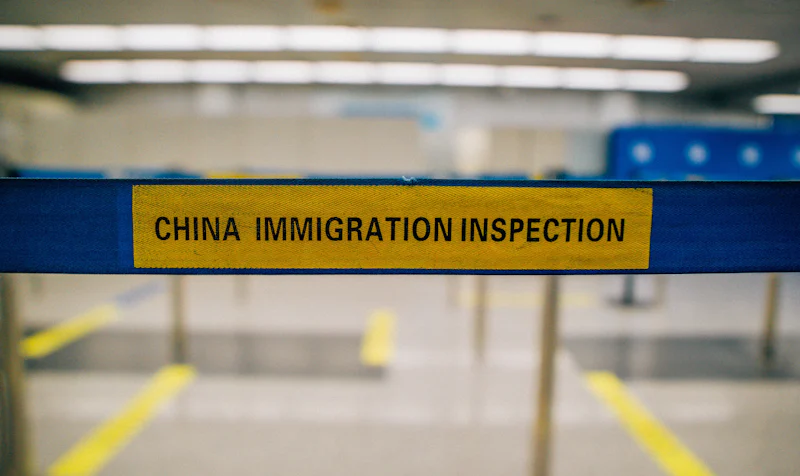
Upon landing, follow the signs for the 'Transit Without Visa' lane rather than the standard immigration counters. You will need to complete a 'Blue Arrival/Departure Card' specifically for transit passengers. You must also have your hotel address and local contact information ready, as you are legally required to register your residence. If you stay in a hotel, they will handle the 住宿登记 (zhùsù dēngjì - residence registration) automatically. If you stay with friends, you must visit the local police station to register within 24 hours of arrival. Using apps like 微信 (WeChat) to store your digital flight confirmation can expedite the document check process at the border.
Avoiding Common Rejection Scenarios
Immigration officers have the final say on your entry. Rejections often occur due to 'short-hopping' or suspicious travel patterns, such as multiple entries within a short period. If you have recently visited China on a transit visa, the authorities may flag your passport for scrutiny. Additionally, ensure your passport has at least three months of validity remaining. It is also wise to have sufficient funds and a clearly printed itinerary to demonstrate that your primary intent is transit rather than unauthorized work or long-term stay. If your flight is delayed or cancelled, contact the airport immigration office immediately to request an extension of your transit permit.
Success with the 144-hour transit program depends entirely on having a verifiable, non-circular flight itinerary and staying strictly within the designated provincial zones. Have you ever encountered issues at immigration when attempting to use the transit-free entry policy?
Quick Takeaways:
- Ensure your itinerary is A-China-B, with A and B being different countries or regions.
- Remain strictly within the designated administrative area assigned to your port of entry.
- Print all onward flight tickets and hotel bookings to present at immigration upon arrival.
- Complete the specific blue transit arrival card at the designated immigration counter lanes.
#chinatravel #transitvisa #visatips