Understanding what is overseas Chinese, or 华侨 (huáqiáo), involves navigating a spectrum of legal status, ancestral connection, and personal cultural identity that exists far beyond a single definition. At its core, the term refers to individuals of Chinese descent living outside the People’s Republic of China, yet the label carries diverse layers depending on whether you are looking through the lens of citizenship, heritage, or local social integration. For those living in China or interacting with the diaspora, recognizing these nuances is essential to moving past stereotypes and truly understanding the modern global Chinese experience.
The Legal Definition of 华侨
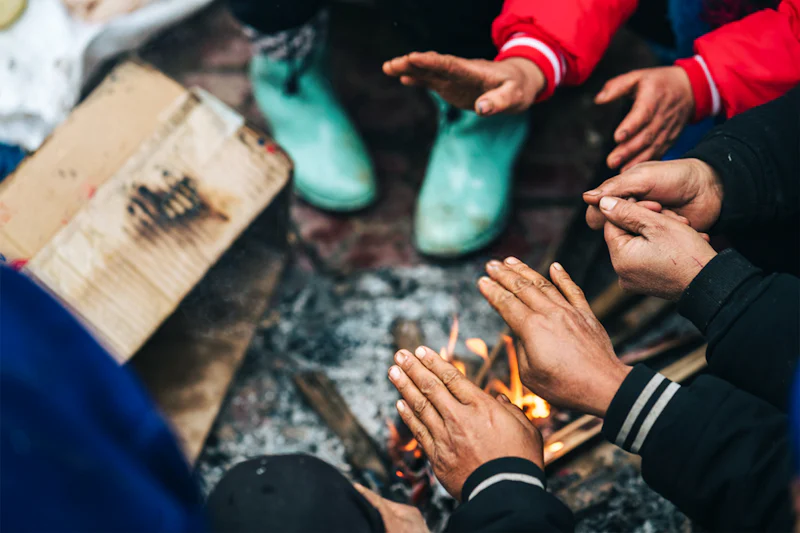
In a strictly legal sense, 华侨 refers to Chinese citizens who have settled abroad, such as those holding a PRC passport but possessing permanent residency in another country. This is distinct from 华裔 (huáyì), which typically refers to ethnic Chinese who have acquired the nationality of their adopted country. Distinguishing between these two is helpful when navigating bureaucracy or understanding rights during international travel. The key distinction often lies in the document holder’s relationship with the state, which influences everything from visa policies to how one is perceived within local administrative frameworks.
Beyond Nationality: Cultural Identity and Belonging
The diaspora experience is rarely defined by paperwork alone. For many, being overseas Chinese is a fluid state of cultural identity that blends ancestral traditions with the values of their host nations. This often manifests in the concept of the "third culture," where an individual feels a profound link to Chinese heritage through food, language, or family history while simultaneously navigating the sociopolitical reality of living in cities like New York, London, or Vancouver. Recognizing that cultural belonging is a spectrum allows for more meaningful discussions about how traditions evolve, adapt, and remain relevant across generations.
Generational Shifts in the Diaspora
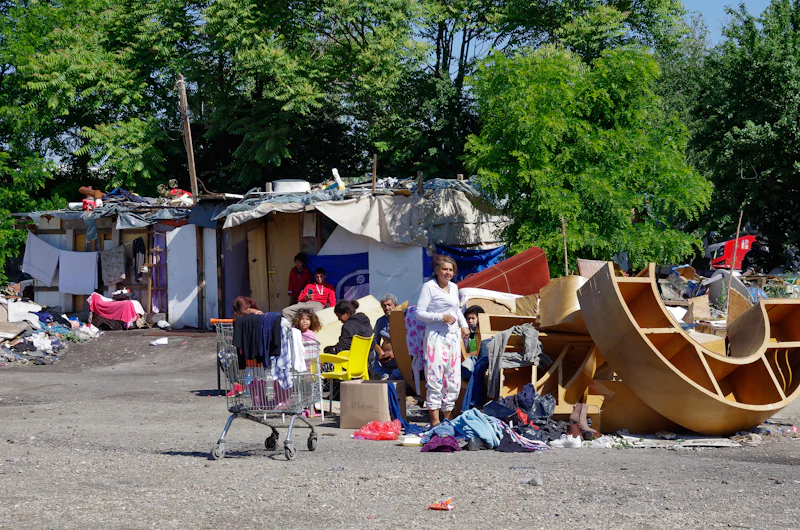
The experience of a first-generation migrant differs significantly from that of second or third-generation individuals. While early migrants often focused on maintaining a strong, singular cultural enclave, later generations frequently engage in a process of "cultural negotiation." This involves reconciling ancestral expectations with the individualism fostered in their host countries. Understanding this generational gap is crucial; it explains why, for example, language proficiency or participation in specific customs varies so widely within the overseas community. The rise of digital communities has further accelerated this, allowing people to reconnect with contemporary trends in China—such as using platforms like 微信 (WeChat)—regardless of their geographical distance.
The Role of Global Connection
Being overseas Chinese today is less about remaining tethered to a static past and more about participating in a global network. Whether through business, academic exchanges, or cultural diplomacy, the modern diaspora acts as a bridge between their host countries and China. The most successful perspectives on this identity are inclusive, acknowledging that there is no single "correct" way to be Chinese outside of China. By letting go of rigid definitions, we can appreciate the diverse ways in which individuals maintain their heritage while contributing to the global societies in which they live.
Defining your connection to Chinese heritage is a personal journey that evolves alongside your lived experience and global environment.
How do you define your own relationship with your cultural roots when living outside of your home country?
Quick Takeaways:
- Distinguish between 华侨 (PRC citizens abroad) and 华裔 (ethnic Chinese foreign nationals).
- Identity is a personal, fluid spectrum rather than a rigid legal or national category.
- Generational differences play a major role in how cultural traditions are practiced and preserved.
- Digital connectivity allows for stronger links to modern Chinese culture regardless of physical distance.
#overseaschinese #culturalidentity #diasporaexperience
