The scarcity of facial hair among many Chinese men is primarily a result of genetic predispositions combined with long-standing cultural preferences that have historically favored a clean-shaven appearance as a mark of professionalism and societal status. While physiological factors determine hair density, the evolution of Chinese grooming habits reflects a move away from the traditional associations of long beards with elders or scholars toward a more contemporary, sleek aesthetic commonly observed in modern urban centers across the country.
Genetic Differences in Hair Growth

Biological research suggests that East Asian populations often possess lower densities of androgen receptors in their hair follicles compared to populations of European or Mediterranean descent. This genetic reality means that for many Chinese men, achieving a full, dense beard is physically challenging. Even for those capable of growing facial hair, the texture is frequently finer or grows in a patchy pattern. This biological baseline naturally influenced the evolution of fashion and grooming trends, as the pursuit of a style that is unattainable for a significant portion of the population rarely becomes the cultural standard.
Historical Significance of Facial Hair
In traditional Chinese culture, particularly during the Ming and Qing dynasties, long, groomed beards were often associated with wisdom, authority, and status. Historical portraits frequently depict scholars and xiansheng (先生 - teachers/gentlemen) with well-maintained, long mustaches and beards. However, the early 20th century marked a dramatic shift. As China modernized, Western-influenced business attire and grooming standards gained traction, leading to the adoption of the clean-shaven look. This transition cemented the modern view that being clean-shaven is synonymous with being dynamic, efficient, and ready for the modern workplace.
Modern Grooming and Professional Expectations
In today’s competitive professional landscape in China, physical grooming is highly scrutinized. Most corporate environments, from tech companies in Zhongguancun (the tech hub of Beijing) to law firms in Shanghai, maintain an implicit expectation that employees remain clean-shaven. A beard is often perceived by older generations as an indicator of laziness or a lack of personal discipline. Consequently, the grooming industry in China focuses heavily on high-quality electric shavers and skincare products for men, emphasizing clear, smooth skin rather than the maintenance of facial hair.
The Changing Landscape of Personal Style
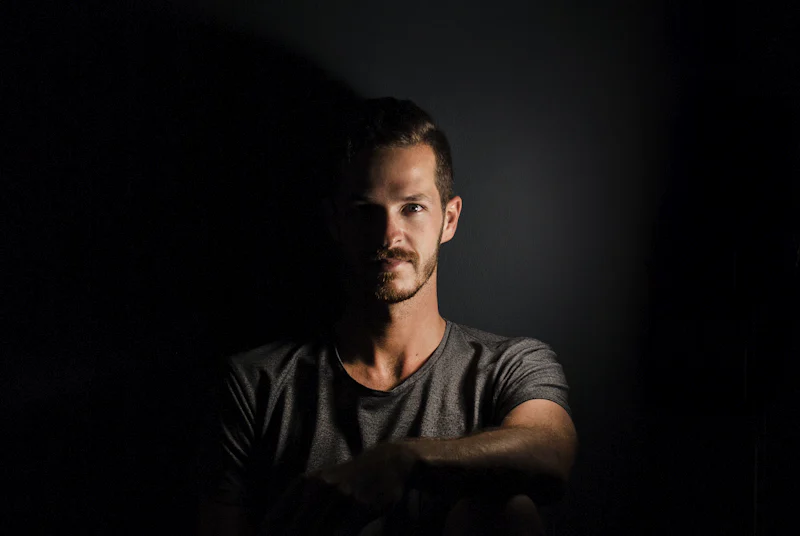
While the clean-shaven look remains the dominant norm, there is an emerging subculture among younger generations that experiments with facial hair. Influenced by international media, some men in creative industries or the fashion sector are beginning to embrace stubble or short, groomed beards. However, this is still very much a niche trend compared to the widespread acceptance of beards in Western countries. If you are living in China, you may notice that even when facial hair is present, it is almost always meticulously trimmed rather than left to grow naturally, reflecting the overarching cultural value placed on orderliness.
Understanding these cultural nuances helps navigate social expectations regarding appearance, as maintaining a polished look is widely regarded as a form of respect toward those you interact with in both personal and business settings.
What are your observations on how grooming expectations have influenced professional environments in your specific city?
Quick Takeaways:
- Genetic lower follicle density makes full beard growth difficult for many Chinese men.
- Clean-shaven faces are culturally associated with professionalism, discipline, and modern social status.
- Traditional views linked long beards to age and wisdom, but modern trends favor youthfulness.
- Business environments overwhelmingly prefer a clean-shaven appearance to maintain a polished, professional image.
#facialhairculture #chinagrooming #livinginchina
