Moving to Yunnan for an extended stay requires more than just tourist preparation; you must prioritize altitude acclimation, specialized climate gear, and digital mastery to navigate the province’s diverse topography. While Yunnan is famous for its ‘eternal spring’ climate, the reality for a long-term resident involves extreme UV exposure, unpredictable mountain weather, and a distinct lack of certain western amenities. By focusing on health management and regional logistics before you arrive, you can avoid common pitfalls that leave unprepared expats struggling during their first few weeks in the region.
Managing Altitude and Health
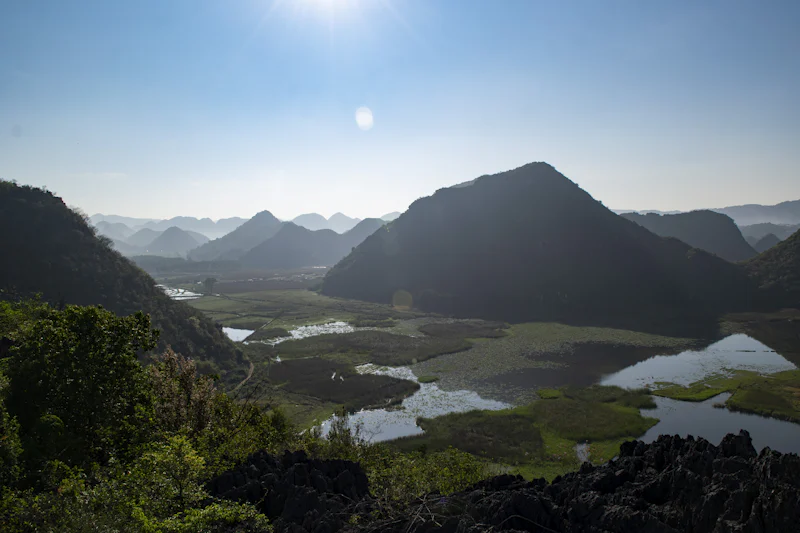
Yunnan sits on a high-plateau landscape with major hubs like Kunming at 1,900 meters and tourist hotspots like Shangri-La exceeding 3,000 meters. Many foreigners underestimate the impact of thin air, which can cause fatigue and headaches for up to ten days. Carry 红景天 (Hongjingtian), a traditional herbal supplement widely available in pharmacies, to help with blood oxygen levels. Furthermore, the high-altitude sun is significantly stronger than at sea level. Even on cloudy days, UV rays can cause severe burns, so invest in high-SPF sunscreen and polarized sunglasses locally, as the options in remote mountain towns may be limited.
Essential Digital Infrastructure
While apps like 支付宝 (Alipay) and 微信 (WeChat) are standard across China, Yunnan’s rural nature makes them doubly critical. Use 高德地图 (Amap) for transit planning, as it is far more accurate for mountainous bus routes and village navigation than international alternatives. If you are planning on living in smaller towns like Dali or Lijiang, keep a power bank with at least 20,000mAh capacity. Frequent travel between mountain villages and intermittent power in older housing stock make reliable mobile energy a necessity, not a luxury.
Packing for Micro-Climates
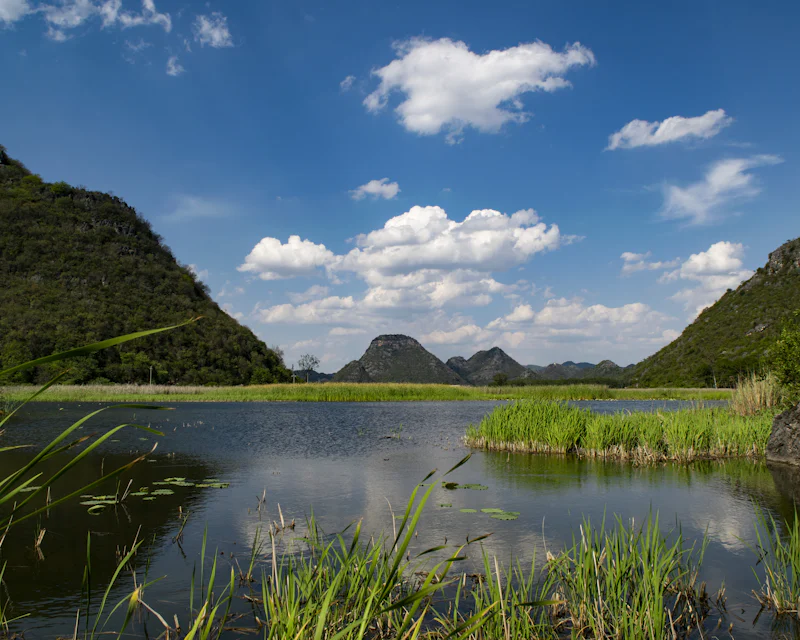
Yunnan is a land of verticality where temperatures can drop 15 degrees Celsius in a single hour as you change elevation. Avoid packing only light clothing. A high-quality moisture-wicking base layer and a windproof, lightweight shell are mandatory. Additionally, bring your own deodorant and specialized skincare. Anti-perspirant is not a staple in local 超市 (Supermarkets), and many stores primarily stock whitening lotions that may not suit your needs. Building a small supply kit for the first three months is the most practical strategy for long-term comfort.
Navigating Cultural Adjustments
Living in Yunnan involves interacting with a rich tapestry of ethnic minority cultures, including the Bai, Naxi, and Dai people. Understanding the concept of 礼貌 (Politeness) in these communities often involves sharing tea or local snacks. Do not be surprised if social interactions happen primarily over meals. Always carry a small amount of cash in denominations of 10 and 20 元 (Yuan), as some rural markets and family-run shops in mountainous areas may have inconsistent mobile signal or prefer cash for small transactions.
Preparation for Yunnan is less about heavy luggage and more about being ready for rapid environmental changes and digital reliance in remote locations.
What is the biggest challenge you have faced when adapting to the living conditions in a specific Chinese province?
Quick Takeaways:
- Take 红景天 supplements to manage the effects of high-altitude travel and fatigue.
- Use 高德地图 to ensure accuracy when navigating rural and mountainous bus routes.
- Bring your own deodorant and skincare products as local options are limited.
- Always carry small amounts of cash for markets with inconsistent mobile signal.
#travelchina #yunnanliving #expattips