Receiving international shipments of books without a Chinese ID is technically possible, but it requires strategic planning to bypass the strict customs requirements often enforced by express courier companies. While personal shipments often trigger requests for a 身份证 (Resident Identity Card), you can successfully navigate this by utilizing specific shipping carriers, optimizing your address format, or leveraging professional mail forwarding services that handle the customs clearance process on your behalf. By understanding how the Chinese customs system classifies personal items, you can avoid the common pitfalls that lead to parcels being returned to the sender or held indefinitely at the border.
Choosing the Right Carrier for International Shipments
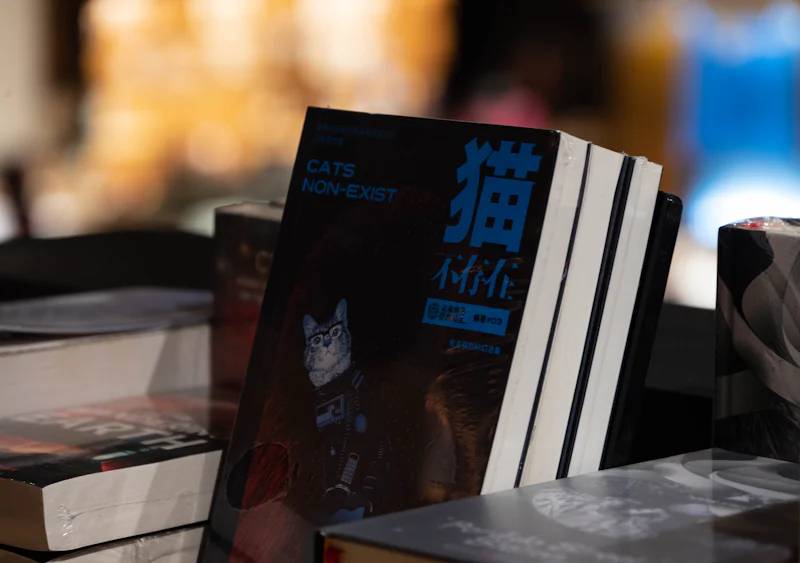
Not all courier services handle customs clearance the same way. When you are ordering foreign books to China, express carriers like DHL or FedEx often require strict adherence to individual customs declaration protocols, which almost always necessitates a Chinese ID. Instead, consider using postal services like the national postal systems—such as USPS for shipments from the United States or Royal Mail from the UK—which transition to 中国邮政 (China Post) upon arrival. China Post has more flexible processing for international parcels compared to high-end express couriers. While this method is slower, often taking between 14 to 30 days, the customs clearance process is typically handled through bulk procedures rather than individual identity verification, making it significantly easier to receive your items without providing an ID.
Optimizing Your Delivery Address
If you must use a courier service that requires identity verification, the format of your address is critical. When filling out shipping forms, ensure your name matches the name on your passport exactly. If you are ordering through a marketplace, avoid using a nickname. Sometimes, adding your phone number as a secondary identifier in the address line, even if it is not specifically requested, helps local couriers identify the recipient. Use your workplace address if possible, as companies often have a designated front desk or logistics team that is experienced in dealing with courier requirements. If the shipment is small, having it delivered to a colleague with a valid 身份证 (Resident Identity Card) can sometimes bypass the personal identity requirement, provided they are willing to sign for the package.

Leveraging Mail Forwarding Services
If you frequently order books from abroad, using a professional mail forwarding service or a 转运公司 (Forwarding Company) is often the most reliable workaround. These companies operate by receiving your packages at a warehouse outside of China, consolidating them, and then shipping them using their own customs clearance channels. Because these companies are experts in navigating Chinese regulations, they often handle the customs duties and the ID requirement themselves as part of their service fee. This approach adds an additional cost, but it eliminates the stress of managing the courier's documentation requests and significantly lowers the chance of your books being rejected at the border.
Common Pitfalls and Customs Regulations
It is important to remember that China has strict policies on imported content. Regardless of the carrier, customs agents may inspect packages containing books. If the content is deemed sensitive or violates local regulations, the package may be seized. Keep your shipments small—usually under 2 kilograms—to avoid triggering more rigorous inspections. Always track your package using official tools like the 菜鸟裹裹 (Cainiao Guoguo) app or the China Post website to stay informed if a package is flagged. If you receive a notification requesting documentation, respond promptly; ignoring these messages is the fastest way to get your items returned to the sender.
Managing the flow of international books into China requires choosing carriers that prioritize postal delivery over private courier services to avoid mandatory personal ID requirements. Have you had success using specific forwarding services for international shipments, or do you prefer to have family ship items directly to your address?
Quick Takeaways
- Utilize national postal carriers instead of private couriers to minimize ID-related customs requirements.
- Use your full passport name on all shipping labels to avoid package processing errors.
- Limit parcel weight under 2 kilograms to reduce the probability of intensive customs inspection.
- Consider professional forwarding companies to handle customs clearance protocols and simplify the delivery process.
#chinaexpat #bookshipping #livinginchina
