To get a China visa invitation letter, you must obtain an official document issued by a registered company or relevant Chinese government entity, as informal notes from business contacts are insufficient for an M visa application. Obtaining a valid invitation letter requires verifying that the host company is legally registered in China and providing all mandatory information required by the Chinese consulate or embassy in your home country. Relying on unauthorized third-party agencies to generate these documents often leads to visa rejection, as authorities have become increasingly rigorous in auditing invitation legitimacy.
Understanding M Visa Requirements
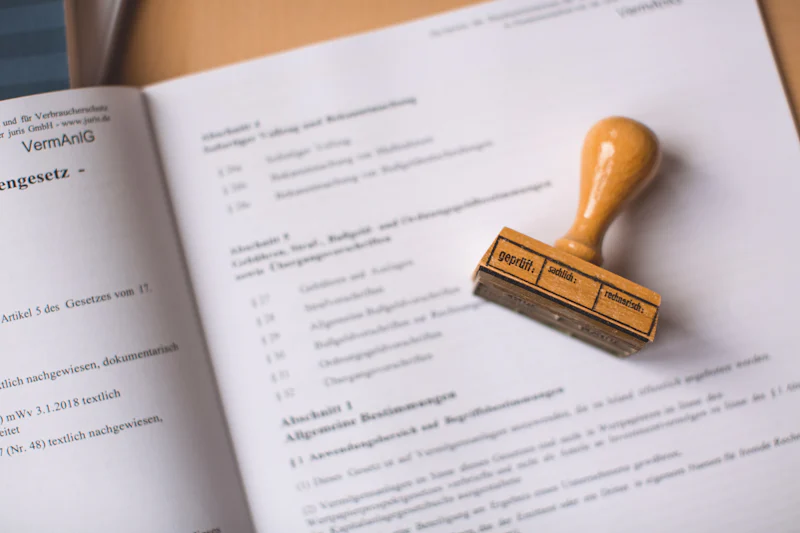
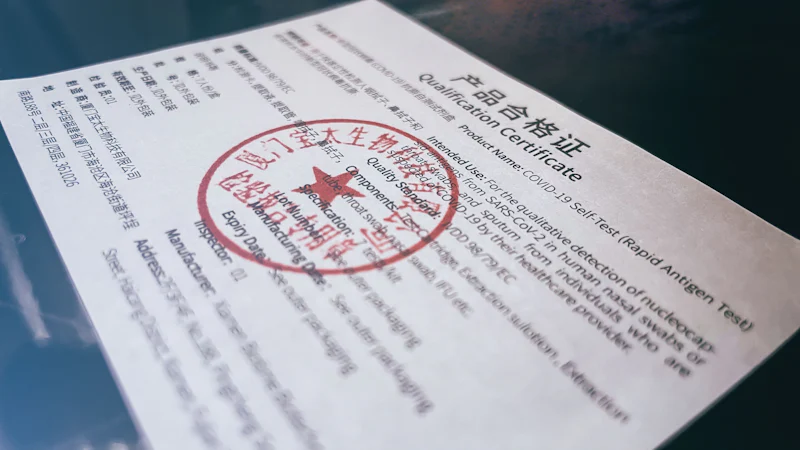
The 商务签证 (M visa) is strictly for commercial and trade activities. An invitation letter is not merely a generic invitation; it must contain specific details to meet government standards. The document must include the personal details of the applicant (full name, gender, date of birth), information about the planned visit (purpose of the visit, dates of entry and exit, cities to be visited, and the relationship between the applicant and the host), and information about the host entity (official name, telephone number, address, and an official seal or 公章 - gongzhang). Without the official red ink stamp of the Chinese company, your application will be automatically rejected.
Identifying Genuine Business Hosts
Legitimate invitation letters must come from a company that maintains an active business license in China. If you are working with a new partner, ask them to provide a copy of their business license (营业执照 - yingye zhizhao) alongside the invitation letter. You can verify the company’s status using the 国家企业信用信息公示系统 (National Enterprise Credit Information Publicity System). If a third-party agency claims they can sell you an invitation letter from a company you do not have a business relationship with, proceed with extreme caution. These 'gray market' invitations are frequently flagged by visa officers because the issuing company has no recorded trade history with the applicant.
Avoiding Third-Party Agency Risks
Many agencies promise to handle the 'bureaucracy' for a fee. While some professional firms legitimately assist with paperwork, many online services offer forged or 'templated' invitations that lack the necessary corporate backing. When a visa officer calls the number listed on your invitation letter to verify your visit, the staff at that company must be able to confirm who you are and why you are coming. If they cannot provide a coherent answer, you risk being denied a visa or, worse, being blacklisted from future travel to China. Always prioritize direct communication with your actual business partners over third-party intermediaries.
Key Documentation Checklist
Ensure that your invitation letter matches your flight itinerary and hotel bookings exactly. Minor discrepancies in dates can cause delays at the consulate. Beyond the invitation, be prepared to show your itinerary and a letter of introduction from your own employer on company letterhead. This 'two-way' documentation confirms that you are a legitimate representative of your company traveling for specific trade purposes. If you are visiting a trade fair, such as the 广交会 (Canton Fair), you can often use the official fair invitation portal, which is recognized as a highly reliable form of invitation by consulates worldwide.
Securing a visa depends entirely on the legitimacy of your host company and the accuracy of the information presented on their official letterhead.
Have you ever faced a rejection due to an issue with your invitation letter format?
Quick Takeaways:
- Verify the host company using the National Enterprise Credit Information Publicity System online portal.
- Ensure the invitation letter features the official red corporate stamp for validity.
- Never use unauthorized third-party services that sell generic invitations without verified business ties.
- Double-check that invitation dates match your travel itinerary and hotel bookings exactly.
#chinavisa #businesstravel #visatips
