The 144-hour visa-free transit in China is a seamless process only if you ensure your itinerary follows a strict A-B-C route where A is your departure country, B is your Chinese transit city, and C is a different third country or region. The most common pitfall is misunderstanding the 'transit' definition; you cannot travel back to your starting point. You must arrive at an eligible port of entry, such as 上海浦东国际机场 (Shanghai Pudong International Airport), and hold a confirmed ticket for an onward flight to a country other than the one you arrived from within 144 hours.
Verify Your Eligibility and Route
To qualify for the Transit Without Visa (TWOV) scheme, you must hold a passport from one of the 54 eligible countries, which includes nations like the US, Canada, Australia, and most of the EU. The cardinal rule is that your flight must be 'continuous.' For example, a flight from New York to Shanghai and then to Tokyo is valid. However, a flight from New York to Shanghai and then back to New York is ineligible, as it does not constitute a transit to a third country. Always verify your flight path with the airline before booking, as ground staff at your departure airport hold the ultimate authority to deny boarding if they believe you do not meet the visa requirements.
Prepare Your Transit Documents
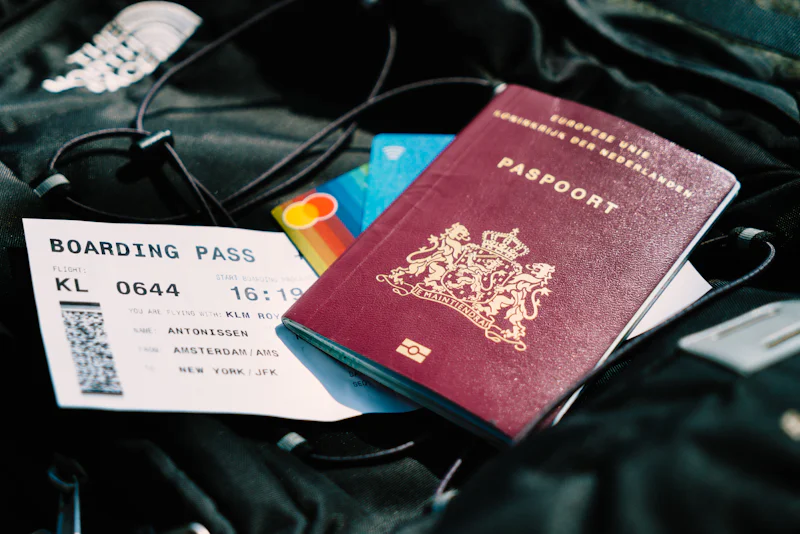
Upon arrival, head directly to the designated '144-hour visa-free transit' lane at immigration. You must present your passport, a printed boarding pass for your arrival flight, and your onward ticket for the third country. It is highly recommended to carry printed copies of your hotel reservation, as officers may request proof of your intended accommodation in the transit area. While mobile apps like 支付宝 (Alipay) are excellent for travel in China, physical documents are often preferred during the initial immigration screening. Do not rely solely on digital tickets on your phone.
Navigate Port-Specific Restrictions
Remember that the 144-hour rule is region-specific. If you arrive in Shanghai, you are generally allowed to move within the Shanghai Municipality, Jiangsu Province, and Zhejiang Province. However, you cannot fly or take a train to Beijing or Guangzhou while under this visa category. Each transit area has distinct geographic limits. If you plan to visit multiple cities, ensure they are all within the permitted administrative zone. The clock starts at 00:01 on the day following your arrival, effectively giving you nearly six full days to explore.
Avoid Common Airport Pitfalls
Many travelers assume the transit permit is a guaranteed right, but it is a discretionary privilege granted by border control. If your flight arrives in one city but departs from another, ensure that both cities fall within the same permitted cluster. Always factor in potential flight delays; if a delay pushes your onward departure beyond the 144-hour mark, you must immediately contact the local exit-entry administration to prevent overstaying your permit, which can lead to significant fines or future travel bans.
The key to a successful 144-hour transit is ensuring your onward ticket to a third country is confirmed and geographically logical before you even step onto your first flight. Have you encountered any unexpected delays or challenges while navigating the 144-hour transit process at a major Chinese airport?
Quick Takeaways:
- Ensure your onward flight is to a third country, not your starting country.
- Always carry physical printed copies of your arrival and onward flight tickets.
- Confirm your departure port falls within the same designated geographic transit zone.
- The 144-hour period starts at midnight following the day of your arrival.
#chinatransit #visatips #travelchina