The best movies about ancient China are divided between rigorous historical dramas and the stylized world of wuxia (martial arts fantasy), each offering a distinct window into the country's cultural psyche. While historical epics aim for architectural and political accuracy, wuxia films prioritize the philosophical concepts of 'xia' (chivalry) and 'jianghu' (the wandering world of martial artists). To truly appreciate these films, it is essential to view them as a curated curriculum rather than simple entertainment, as they collectively shape the aesthetic expectations and moral values embedded in Chinese historical storytelling.
Historical Epics for Visual Authenticity
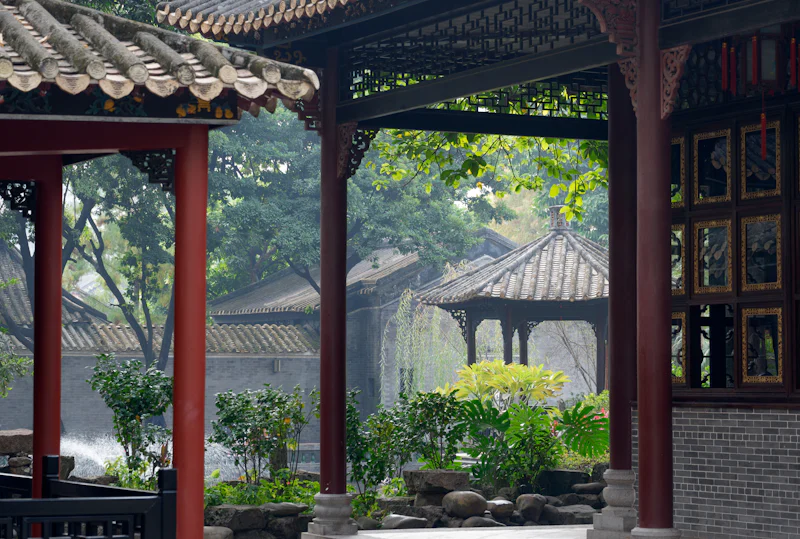
If you want to understand the scale and pageantry of Chinese history, start with films directed by Zhang Yimou or Chen Kaige. 'Hero' (Yingxiong) offers a stylized interpretation of the Qin Dynasty, while 'Raise the Red Lantern' (Da Hong Denglong Gaogao Gua) provides a claustrophobic look at the feudal structures of the 1920s. For a focus on the grand history of the Three Kingdoms period, John Woo’s 'Red Cliff' (Chibi) serves as an excellent resource, meticulously reconstructing the naval tactics and armor of the 3rd century. These films rely on 'kaoju' (textual research) to ensure that the costumes, palace etiquette, and set designs reflect the imperial era’s obsession with order and hierarchy.
Wuxia and Fantasy for Cultural Values
Films categorized as wuxia are less about historical accuracy and more about the 'jianghu' ethos. Ang Lee’s 'Crouching Tiger, Hidden Dragon' (Wo Hu Cang Long) is the gold standard here, capturing the restraint and societal pressure inherent in the Qing Dynasty. This genre uses wire-fu—a technique involving complex pulley systems and stunt choreography—to emphasize the spiritual elevation of the characters. When watching these, focus on the 'renqing' (human sentiment/social obligations) depicted, as this is often more important to the Chinese audience than the fantasy elements themselves.
Learning Through Cinematic Aesthetics
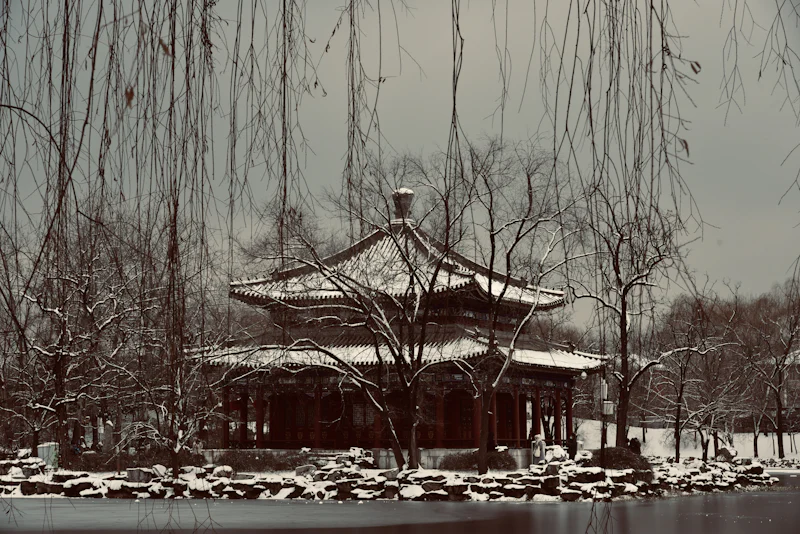
To use these films as a tool for cultural learning, pay attention to the color palettes, which are deeply symbolic in Chinese tradition. Notice how red is used in royal contexts or how the change of seasons signals the transition of power. Using platforms like '豆瓣 (Douban)', the primary Chinese movie review site, can help you read what domestic audiences value in these films compared to Western critiques. By cross-referencing these reviews, you can distinguish between a film that is visually spectacular for international audiences and one that resonates with the 'lishi yishi' (historical consciousness) of the Chinese public.
Avoiding Common Misconceptions
Many viewers mistakenly judge Chinese historical films by Western historical realism standards. Remember that Chinese cinema often blends 'chuantong' (tradition) with allegory. A film set in the Tang Dynasty might use the location purely as a vehicle to discuss modern ethics or Confucian values. Do not expect documentary-level accuracy; instead, treat these films as narratives about how modern Chinese society views its own past. Look for the underlying moral lessons, often centered on duty to one's clan or the personal sacrifice required to achieve 'datong' (harmony among all).
Understanding Chinese history through cinema requires separating the romanticized wuxia fantasy from the grounded realism of historical epics to see the underlying values of the society.
Which movie sparked your interest in Chinese history or martial arts traditions?
Quick Takeaways:
- Watch John Woo’s 'Red Cliff' to see accurate depictions of ancient tactical combat.
- Utilize the Douban platform to compare local and international perspectives on historical films.
- Interpret the film's color palette and symbolism to understand traditional Chinese social hierarchy.
- Distinguish between wuxia fantasy values and historical realism when building your viewing list.
#chinesecinema #historyandculture #wuxia
