Finding the best books about ancient China requires balancing academic rigor with narrative engagement to ensure your entry into Chinese history is both informative and enjoyable. For those living in China, understanding the historical context behind local landmarks and cultural traditions adds immense depth to your daily life. The most accessible starting points are often those that humanize emperors, poets, and commoners, allowing you to bridge the gap between contemporary society and the vast, complex timeline of the Middle Kingdom. Whether you seek a broad overview or specific accounts of Medieval Chinese history, these selections offer the necessary perspective for an expat experience.
Broad Overviews for a Solid Foundation
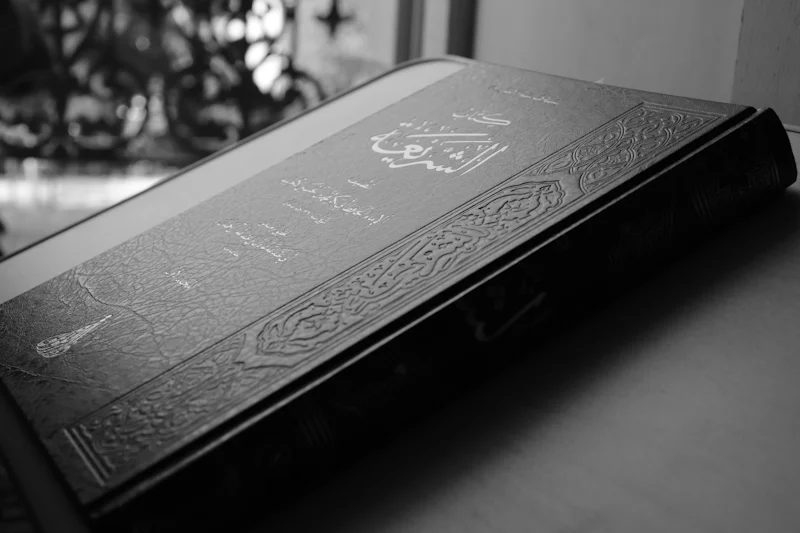
To grasp the sheer scale of China's past, start with "China: A History" by John Keay. This text is widely considered the gold standard for English-speaking readers. It avoids overly dense scholarly jargon while covering the timeline from the prehistoric yuánshǐ (primitive) period to the final collapse of the Qing Dynasty. Another excellent entry point is "The Search for Modern China" by Jonathan Spence. While it focuses on the latter end of the spectrum, its introductory chapters provide the clearest explanation of the dynastic cycles that defined thousands of years of governance and social hierarchy.
Medieval Wonders and Golden Ages
For those specifically interested in the sophistication of Medieval Chinese history, look no further than "The Golden Age of China: The Tang Dynasty" by Charles Benn. This book is a must read for expats who enjoy visiting bówùguǎn (museums) or ancient sites like Xi'an, as it details the daily life, fashion, and diet of the Tang era. If you prefer a narrative approach that feels like a novel, "Empress Dowager Cixi" by Jung Chang offers a gripping, albeit later-period, biography that illuminates how power was centralized and maintained throughout imperial history. It is highly recommended to supplement these with "The Art of War" by Sun Tzu to understand the philosophical underpinnings of Chinese strategy and thought that still influence business and social interactions today.
Fictional Accounts That Reveal Historical Truths
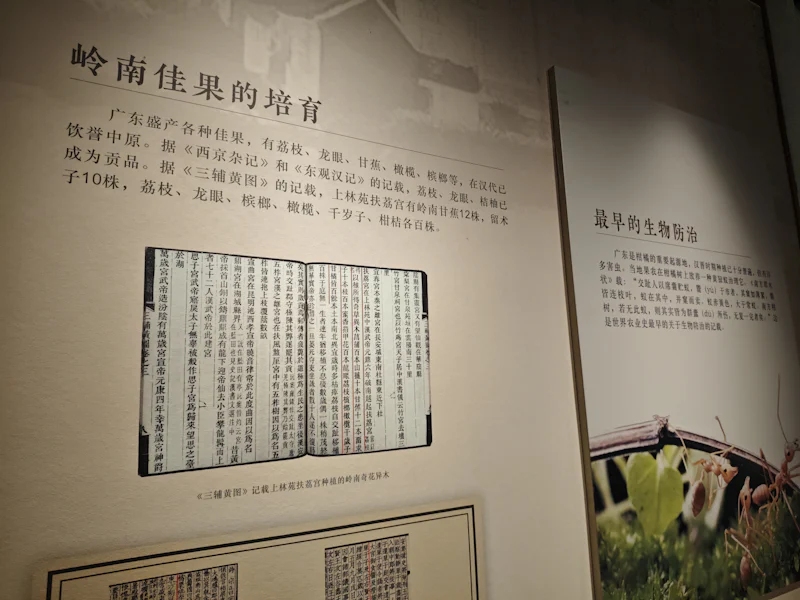
History is not found solely in textbooks. Classical Chinese literature, such as "Romance of the Three Kingdoms" by Luo Guanzhong, provides an essential cultural literacy for anyone living in China. Many local festivals, idioms, and even video games are based on the historical figures depicted in this epic. Understanding the exploits of Liu Bei or Zhuge Liang is the secret key to unlocking thousands of references you will encounter in conversations with local colleagues. Additionally, reading "Dream of the Red Chamber" offers unparalleled insight into the complex social structures, domestic life, and lǐ (ritual or propriety) of the Qing Dynasty, which remain relevant to understanding modern social etiquette.
Strategic Reading for Expats
If you find yourself overwhelmed by the sheer volume of titles, choose one book for each of the three categories: a general history, a dynasty-specific study, and a classic work of fiction. Dedicate at least 30 minutes a day to reading, ideally while commuting on high-speed rail or waiting at a cafe. Integrating your reading with travel is the best way to retain information. When you visit a specific city, look for local histories of that province, often labeled as dìfāng zhì (local gazetteers) in English translation, to learn how that region contributed to the national narrative across different eras.
History is a living presence in China that rewards those who take the time to study its foundations through both academic and literary lenses. Which historical figure or dynasty have you found most fascinating since moving to China?
Quick Takeaways:
- Start with John Keay's China: A History for an accessible, comprehensive chronological overview.
- Read Charles Benn’s Tang Dynasty book to understand the height of medieval Chinese culture.
- Learn key characters from Romance of the Three Kingdoms to improve your cultural literacy.
- Combine your reading with visits to local historical sites to improve knowledge retention.
#historychina #mustread #expattips