Exploring a rural market in China—often referred to as a 'scenically wild' or 'country fair' (赶集, gǎnjí)—is one of the most rewarding ways to peel back the layers of Chinese culture. Unlike the polished, high-tech retail environments found in Shanghai or Beijing, these markets are the heartbeat of rural life, operating on traditional lunar-based schedules rather than a daily calendar. For a first-time visitor, these spaces offer an unfiltered glimpse into local commerce, seasonal produce, and the social fabric of village life. However, navigating them successfully requires a blend of curiosity, preparation, and a willingness to step outside your comfort zone.
Mastering the Timing
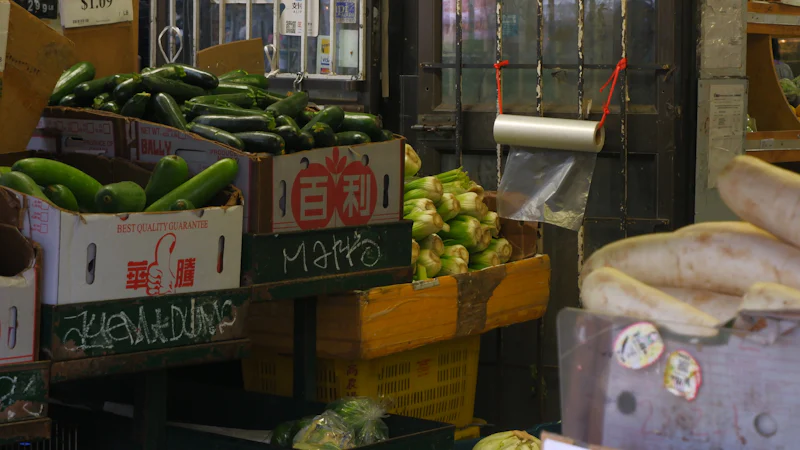
Most traditional rural markets do not operate daily. They usually follow a 'base-three' or 'base-five' schedule, meaning they are held on specific dates of the lunar month. Before traveling, ask a local contact or your guesthouse host for the 'market days' (集日, jí rì). Arriving on the wrong day means visiting a ghost town, whereas arriving at 8:00 AM on a market day guarantees the most vibrant atmosphere. By 2:00 PM, most stalls begin to pack up, so plan to arrive early to see the full array of goods.
Essential Payment and Logistics
While China is a highly digitized society, rural markets still lean heavily on cash. While most vendors now accept 支付宝 (Alipay) or 微信支付 (WeChat Pay) via QR codes displayed at their stalls, connectivity can be spotty in remote, mountainous regions. Always carry a stash of small-denomination cash (1, 5, and 10 RMB notes) in a secure wallet. Additionally, bring your own reusable shopping bag; rural markets are working toward sustainability, and vendors rarely provide plastic bags for free.
Cultural Etiquette and Interactions
Communication in rural markets is often limited to gestures and basic Mandarin. Do not be discouraged by a language barrier; a smile and a nod are universal. Haggling is common for non-food items, such as household goods or clothing, but keep the tone lighthearted. If you are buying produce, it is generally considered poor form to aggressively negotiate the price of someone’s hard-grown harvest. Instead, focus on the quality of the product. If a vendor offers you a taste of a fruit or local snack, it is polite to accept a small amount, even if you do not intend to make a large purchase. Always maintain personal space, as these areas can become crowded, and be mindful of your surroundings when taking photographs—always ask for permission before pointing your camera directly at an individual or their shop.
Navigating the Sensory Experience
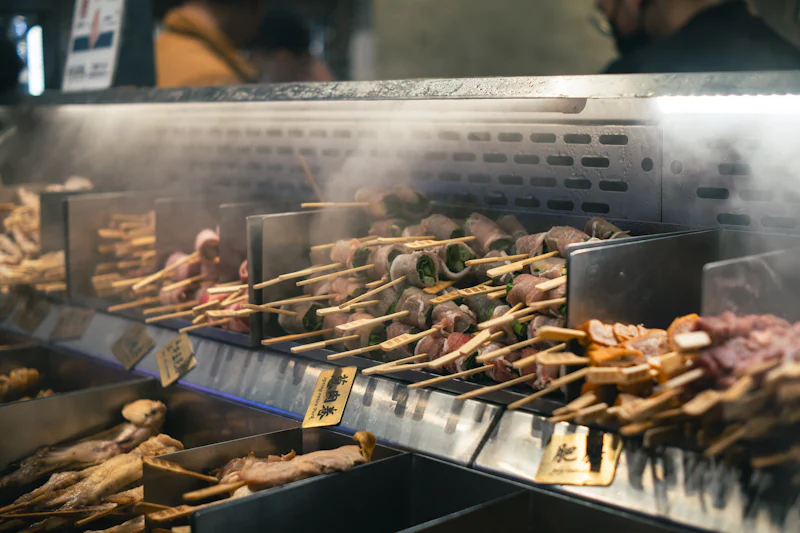
Rural markets are sensory-heavy environments. You will encounter everything from live poultry and medicinal herbs to handmade tools and colorful textiles. The key is to dress modestly and comfortably, wearing sturdy walking shoes. The ground can be uneven or muddy, especially after rain. Be prepared for strong smells, which are a natural part of these agricultural hubs, and keep an open mind regarding the food options. Street food here is incredibly fresh, often cooked on the spot using traditional methods, but ensure that the stall has a high turnover of customers, which is a reliable indicator of freshness and food safety.
What to Look For
Seek out regional specialties that are impossible to find in city supermarkets. These often include wild-harvested mountain vegetables, local fermented soybean products, or handmade bamboo crafts. If you see a crowd gathered around a specific stall, it is usually a sign that something exceptional is being sold, whether it is a freshly baked pastry or a seasonal delicacy. Observing what the locals buy is your best guide to quality.
Embrace the spontaneity of the experience rather than rushing from stall to stall. These markets are as much about the social exchange as they are about the goods on offer, providing a unique vantage point on Chinese rural development and tradition. What is the most unique or unexpected item you have discovered while exploring a local market in China?
Quick Takeaways:
- Verify market dates using the lunar calendar before departing.
- Carry small-denomination cash as a backup to digital payments.
- Ask for permission before photographing vendors or their goods.
- Wear durable, comfortable footwear suitable for uneven terrain.
- Prioritize stalls with high local foot traffic for fresh food.
#travelchina #chinamarkets #culturalimmersion
