Surviving expat culture shock in China requires shifting your mindset from expecting things to be 'like home' to actively building a new daily ecosystem. The most effective way to manage the transition is to tackle language barriers with small, achievable goals, mitigate social isolation by finding niche interest groups, and accept that your daily routine will inevitably evolve. Adapting to Chinese culture is not about changing who you are, but about expanding your capability to function in a high-context society. By focusing on practical habit adjustments, you can turn feelings of alienation into a structured sense of belonging.
Navigating the Language Barrier
Even basic proficiency in Mandarin significantly reduces daily anxiety. Download Pleco for instant dictionary lookups and use the voice-to-text function in 微信 (WeChat) to communicate when your spoken Chinese falls short. Focus your energy on learning 'survival phrases' specific to your routine—such as how to explain your dietary restrictions or navigate a specific ride-hailing request in 滴滴出行 (Didi Chuxing). Do not aim for fluency overnight; prioritize the ability to solve minor problems independently, as this builds the confidence necessary to face larger cultural hurdles.
Combatting Social Isolation
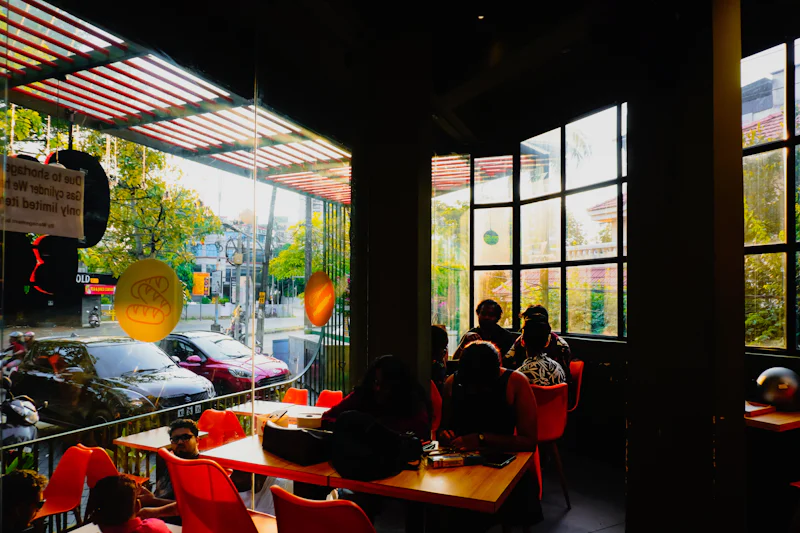
Living in China as a foreigner can feel isolating if you only stay within your professional circle. Look for community groups on platforms like 小红书 (Little Red Book) or local expat networking apps to find people who share your specific hobbies, whether that is hiking, photography, or board games. Engage with the local environment by visiting 'third spaces'—coffee shops or local parks—during off-peak hours to observe daily life without the pressure of active participation. Establishing a 'local' routine, such as visiting the same vendor for your morning 煎饼 (Jianbing/savory crepe), fosters a sense of familiarity that softens the edges of culture shock.

Prioritizing Mental Health
Maintaining mental health for expats in China often comes down to managing information overload. The pace of digitalization—using 支付宝 (Alipay) for everything from utility bills to bike rentals—can be overwhelming. Give yourself permission to have 'slow days' where you disconnect from the pressure to explore or be productive. If you feel overwhelmed, seek out professional counseling services that specialize in cross-cultural transition. Many international clinics in major cities offer services in English to help expats process the unique stresses of living away from their home support systems.
Adjusting Daily Habits
Your physical environment affects your mental well-being more than you might realize. If you feel homesick, find a balance between integrating into the local culture and maintaining small rituals from your home country. Whether it is sourcing ingredients to cook a comfort meal or finding a specific type of exercise class, these anchor points provide stability. Understand that 关系 (Guanxi/social networks) are built slowly; do not rush to find deep friendships. Instead, focus on building reliable acquaintances who can help you navigate local logistics.
Focus on small, daily improvements rather than seeking a complete resolution to culture shock. What is the one specific habit you adopted that made the biggest difference in your comfort level here?
Quick Takeaways:
- Learn survival phrases to solve minor daily logistical problems independently.
- Use Pleco and WeChat to bridge communication gaps during initial months.
- Join interest-based groups to foster genuine social connections beyond work circles.
- Designate specific routines to anchor your lifestyle and reduce cognitive load.
#expatchina #cultureshock #livinginchina