Facial hair in China is socially acceptable for foreigners, but it remains a nuanced topic that depends heavily on your professional environment and the specific city you reside in. While the traditional Chinese cultural preference for a clean-shaven appearance—often associated with the concept of mianzi (face/reputation) and professionalism—still holds weight in conservative sectors, attitudes are rapidly shifting among the younger generation. You will find that modern urban centers are becoming increasingly tolerant of diverse grooming styles, though navigating these expectations requires a clear understanding of the boundary between personal expression and perceived formality.
Professional Expectations and Corporate Culture

In the traditional Chinese workplace, maintaining a clean-shaven look is often equated with discipline and respect for hierarchy. If you work in banking, government, or a traditional guoqi (state-owned enterprise), a well-groomed, beard-free face is standard practice. Human Resources departments in these settings may view facial hair as a sign of being unkempt. However, if you are employed in the tech industry, creative fields, or at a foreign-owned firm in cities like Shanghai or Shenzhen, the rules are significantly more relaxed. In these environments, a maintained beard is often viewed as a marker of individual style rather than a lack of professional etiquette.
The Generational Shift in Grooming Trends
Among China's Gen Z and millennial populations, there is a growing appreciation for individual aesthetics. Younger Chinese men are increasingly experimenting with 'designer stubble' or stylized facial hair, influenced by international fashion and social media platforms like Douyin (TikTok China) and Xiaohongshu (Little Red Book). While you might not see many older, high-ranking officials sporting beards, you will certainly encounter younger Chinese professionals who embrace a rugged look. This shift suggests that the historical association of facial hair with an elderly or 'sages only' persona is fading, replaced by a more Western-influenced view of grooming as a tool for personal branding.
Practical Grooming Tips for Expats
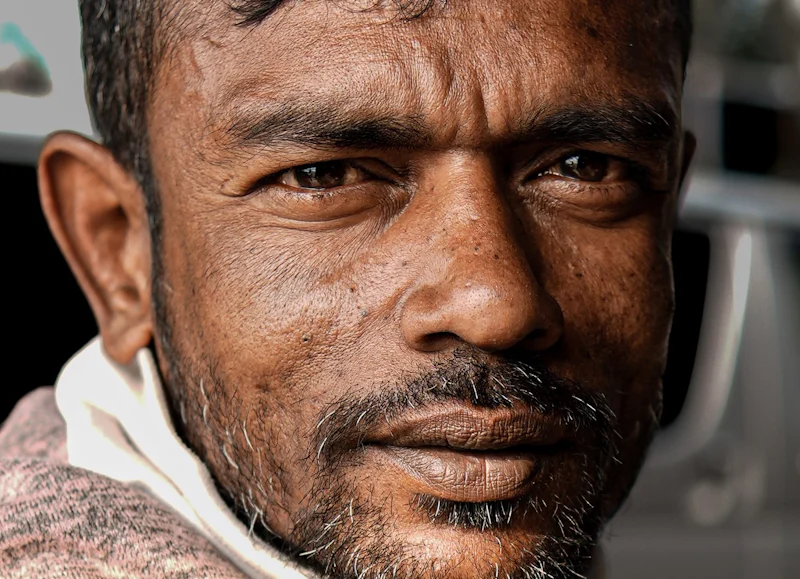
Regardless of your industry, the key to navigating local norms is the difference between 'scruffy' and 'intentional.' If you choose to keep facial hair, invest in high-quality grooming tools to ensure it looks styled rather than neglected. In Chinese society, an unkempt beard is often interpreted as a lack of self-care. Use a beard oil or balm to keep hair orderly and maintain crisp lines around your cheeks and neckline. If you visit a local barbershop or lifadian (hair salon) to get a trim, be very specific with your instructions or provide a clear photo reference, as many local barbers may lack extensive experience in shaping beards for Western facial structures.
Assessing Your Local Environment
Always observe the grooming habits of your immediate peers before deciding on a style change. If you are preparing for a high-stakes meeting with clients in a Tier-2 or Tier-3 city, it is advisable to err on the side of caution and appear clean-shaven. Conversely, in the vibrant expat hubs of Tier-1 cities, you are unlikely to face direct social friction for having a beard. The primary rule to remember is that context dictates perception; what is considered fashionable in a trendy coffee shop in Chengdu might be seen as unprofessional in a traditional boardroom in Beijing.
Maintain a well-groomed look to ensure your style is read as intentional rather than lazy, and always prioritize the conservative dress codes of your specific industry. Have you personally felt a difference in how you are treated in China based on whether you are clean-shaven or bearded?
Quick Takeaways:
- Corporate environments in traditional sectors typically favor a clean-shaven, professional appearance for all.
- Tech and creative industries are far more accepting of intentional, well-maintained facial hair styles.
- Always keep facial hair trimmed and neat to avoid the perception of being unkempt.
- Observe the grooming standards of your specific office culture before making a major change.
#chinaculture #expatlifestyle #groomingtips
