Moving to Qingdao is absolutely worth it if you prioritize a higher quality of life, a manageable pace, and a stunning coastal environment over the hyper-kinetic, expensive, and crowded nature of China's Tier-1 cities. While places like Shanghai or Shenzhen offer unparalleled career density, Qingdao provides a distinct Mediterranean-style climate, significantly cleaner air, and a lifestyle that feels more sustainable for the long-term expat. If you are looking for a balance between modern urban amenities and proximity to the ocean, this city offers one of the best value-to-happiness ratios in the country.
The Advantages of Coastal Living
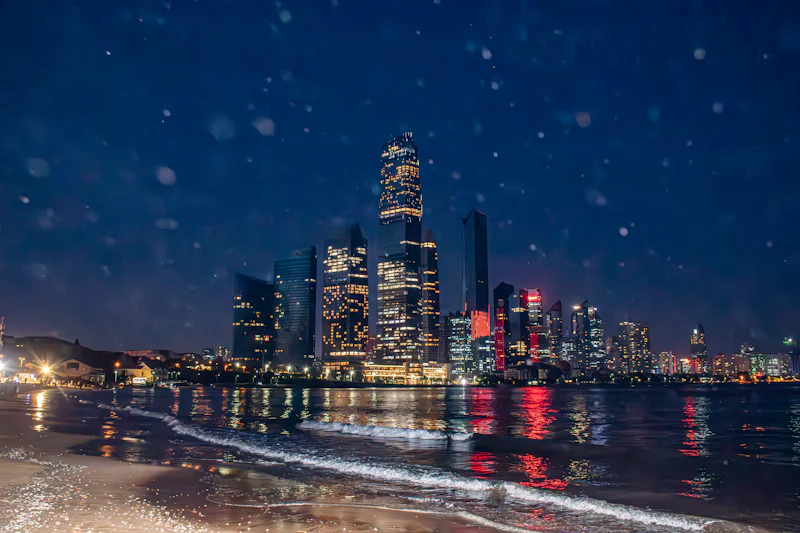
The most immediate benefit of living here is the geography. Unlike the concrete jungles of the south, Qingdao features long stretches of sandy beaches and the beautiful Badaguan (Eight Great Passes) area, which showcases historic architecture from the German colonial period. The air quality is consistently better than that of inland industrial hubs because of the constant sea breeze. If you are an outdoor enthusiast, you can easily access hiking trails in Mount Laoshan (Laoshan Mountain), a national 5A-level scenic area, which is less than an hour away from the city center.
Understanding the Beer Culture and Nightlife
Qingdao is famous for its beer culture, specifically the Qingdao Pijiu (Qingdao Beer). The local habit of drinking fresh draft beer out of plastic bags during the summer months is a cultural experience unique to this city. While the social scene is not as fast-paced as Shanghai, the expat community is tight-knit and centered around smaller, accessible social hubs rather than massive, sprawling nightlife districts. You will find that navigating the city is much easier, especially using 高德地图 (Gaode Maps), which is highly accurate for local transit and bus routes.
Considerations for Teaching and Career
Teaching in Qingdao is a popular route for expats, and it often provides a higher disposable income than in Tier-1 cities because the cost of living—particularly rent—is significantly lower. Monthly rent for a high-quality, modern apartment near the coast might cost 30 to 40 percent less than a comparable unit in Beijing. However, do keep in mind that salary ceilings for corporate roles may be lower here. Most expats use 钉钉 (DingTalk) for professional communication, and standard employment practices regarding work visas and health insurance follow the same national regulations as anywhere else in China.
Navigating the Practical Downsides
No city is perfect, and you should be aware of the seasonality. While summer is vibrant and filled with the Qingdao International Beer Festival, winter can be biting due to the cold winds coming off the Yellow Sea. Additionally, the public transport network is still expanding; while the metro system has grown significantly in the last five years, it is not as ubiquitous as in larger hubs. You will find that having a basic grasp of Mandarin is more important here than in an international enclave like Shanghai’s Former French Concession, as the city retains a more localized, authentic Chinese atmosphere.
Ultimately, moving to Qingdao is a choice to prioritize personal well-being, moderate living costs, and a refreshing maritime climate over the relentless hustle of China's most famous financial capitals. If you had to choose between the high-octane growth of a Tier-1 city and the scenic, relaxed pace of a coastal hub, which factors would weigh most heavily in your decision?
Quick Takeaways:
- Rent in Qingdao is significantly more affordable than in Shanghai or Beijing markets.
- Fresh air and coastal access make it ideal for those who prioritize outdoor recreation.
- The expat community is smaller but much more tight-knit than in Tier-1 cities.
- Winter weather is cold and windy, so prepare for distinct seasonal temperature shifts.
#movingtoqingdao #expatchina #qingdaolife
