Navigating China's cashless society from abroad or as a new arrival requires understanding the current integration between international payment networks and local platforms like Alipay and WeChat Pay. While the system was previously restricted to those with mainland bank accounts, recent updates now allow foreigners to bind international credit and debit cards directly to these apps. This transition significantly lowers the barrier for short-term visitors and residents alike, though understanding the limitations, transaction fees, and verification processes remains essential for a seamless experience.
Setting Up Your Digital Wallet
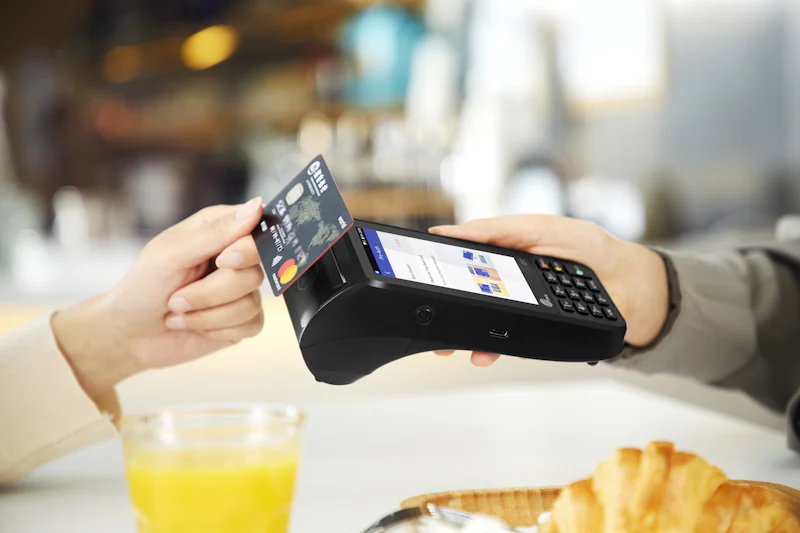
The process begins with downloading the official applications: 支付宝 (Alipay) and 微信支付 (WeChat Pay). After creating an account with your international mobile number, you must complete the identity verification process using your passport. This is a critical step; if the system does not recognize your documentation, you will be unable to proceed with linking any financial instruments. Once verified, navigate to the 'Bank Cards' or 'Wallet' section to input your international credit or debit card details, typically supporting Visa, Mastercard, and JCB networks.
Understanding Transaction Limitations
It is vital to recognize that your digital wallet behaves differently when funded by an international card compared to a local Chinese bank account. First, international cards often trigger a transaction fee for payments exceeding 200 RMB. While these fees are usually transparently displayed during the checkout process, frequent small purchases can accumulate costs. Second, there are specific monthly and annual spending caps for accounts linked only to international cards. For individuals planning long-term residency, these limits may become restrictive, necessitating the opening of a Chinese bank account to remove these barriers entirely. If you encounter a 'payment failed' error, it is frequently due to your home bank's security protocols blocking an 'international' transaction, so notify your bank before traveling to ensure your card is authorized for use in China.
Managing Common Pitfalls
Many users struggle with the 'Real-Name Authentication' stage. Ensure that the name on your passport exactly matches the name entered in the application. Any discrepancies, even minor variations in spelling or spacing, will result in immediate rejection. Additionally, keep in mind that these apps are not universal. While they are accepted in almost every urban retail setting, smaller vendors or rural locations may occasionally face technical glitches with international card-linked payments. Carrying a small amount of cash remains a practical, if secondary, strategy. Furthermore, if you are planning to use these services long-term, prioritize opening a local bank account within the first 14 days of your arrival. Local accounts provide access to the full ecosystem of services, including money transfers to friends and payment of utility bills, which are often unavailable to those relying solely on international card-linked accounts.
Strategies for Success
When choosing between Alipay and WeChat Pay, have both installed. Alipay is generally more robust for international tourists, offering a 'Tour Pass' option or simplified international travel features. WeChat Pay, while essential for communication, can sometimes be more sensitive to security settings. Test both apps with small, low-risk transactions at a major convenience store chain like 7-Eleven or Lawson upon your first day to confirm your card is functioning correctly before relying on them for larger purchases or transit.
Ultimately, the transition to digital payments in China is designed for efficiency, but it rewards those who prepare their credentials well in advance of their arrival. By verifying your identity documentation early and confirming international usage permissions with your domestic bank, you can bypass the most common technical hurdles. How have you balanced the use of international credit cards versus opening a local bank account during your time in China?
Quick Takeaways:
- Verify your passport information in-app to enable international card binding.
- Notify your home bank to allow international transactions in China.
- Carry a small amount of cash as a backup for technical glitches.
- Expect transaction fees for payments exceeding 200 RMB with international cards.
- Open a local bank account early to remove spending limits and improve functionality.
#livingguide #chinapayments #expatlife
