The 144-hour visa-free transit in China is a seamless way to visit the country, provided your itinerary strictly involves traveling from your origin country to a third country with a stopover in China. The most critical requirement is that your flight must connect through two different territories outside of mainland China; for instance, flying London to Shanghai, and then Shanghai to Tokyo, qualifies. If your ticket involves a return to the same country you departed from, you will be denied entry under the Transit Without Visa (TWOV) rules, leaving you stuck in the transit lounge or forced to pay for an emergency visa if available.
Understanding the Third Country Requirement
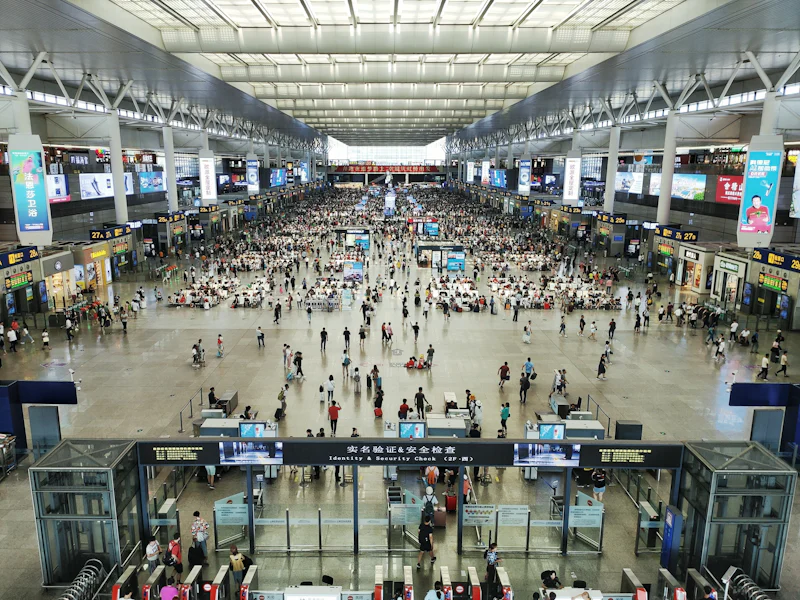
To be eligible for the 144-hour visa-free transit, your journey must demonstrate a clear path from Point A to China and then to Point B, where Point A and Point B are different territories. A common mistake travelers make is booking a round-trip ticket that starts and ends in the same place with a stopover in China. For example, if you fly New York to Shanghai and then Shanghai back to New York, this does not count as transit. Your travel must be international. Always ensure your tickets clearly show your departure from the transit city to a third destination. Keep your printed itinerary and boarding passes handy, as officials will scrutinize these during your application process.
Arrival Procedures at Major Airports
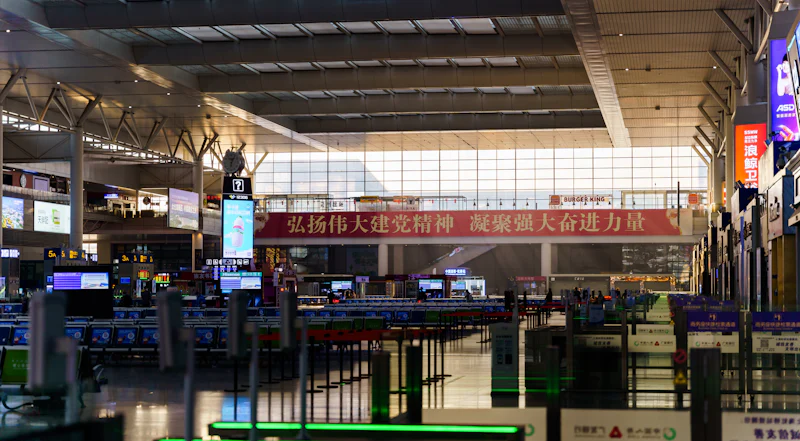
Upon landing in hubs like Beijing or Shanghai, look for signs specifically marked for the 144-hour transit permit. Do not follow the crowd toward the general immigration lines. Instead, head to the designated inspection counters labeled 'Visa-Free Transit' or '144-hour Temporary Entry.' You will need to fill out an Arrival Card for Temporary Entry, which is usually available near the desks. Present your passport, your printed flight tickets showing your onward journey, and your hotel booking details. If you are staying with friends, provide their address and the 住宿登记表 (Registration Form of Temporary Residence) to avoid complications with local police checks.
Preparing for Potential Delays
While the process is generally efficient, peak arrival times can lead to hour-long queues. Bring a pen, a physical copy of your flight itinerary, and your hotel booking confirmation in both English and Chinese. Having the address of your hotel in Chinese characters—often found on apps like 高德地图 (Amap)—can be a lifesaver if you have trouble communicating with the officer. Remember that your 144 hours start from 00:01 the day following your arrival. If you arrive on Tuesday, your 144-hour clock begins on Wednesday at midnight, effectively giving you nearly six full days to explore.
Common Pitfalls to Avoid
One frequent error is failing to remain within the permitted transit area. For the 144-hour scheme in the Yangtze River Delta, you can travel within Shanghai, Jiangsu, and Zhejiang provinces, but you cannot hop on a flight to Beijing or Shenzhen during that same window. Stick to the designated region for which your permit was granted. Also, ensure your passport has at least three months of validity remaining; border control officers are strict about document integrity and will deny entry if your passport is damaged or near expiration.
Before you finalize your flight bookings, double-check that your transit airport is actually eligible for the 144-hour policy, as not every regional airport offers this benefit to all nationalities. Have you ever encountered difficulties with transit documentation while navigating Chinese border control?
Quick Takeaways:
- Ensure your trip is an international connection between two different countries or territories.
- Carry physical printouts of your confirmed onward flight tickets and your hotel bookings.
- Head directly to the specific 144-hour transit lanes at immigration to avoid confusion.
- Stay within the permitted geographic region associated with your specific transit port entry.
#visatips #chinatravel #144hourtransit
