Understanding Ancient China through media requires distinguishing between rigorous historical dramatization and stylized xianxia (fantasy) epics, which often prioritize martial arts spectacle over cultural accuracy. For those looking to learn Chinese history beyond the mythology of the Three Kingdoms, focusing on productions that emphasize statecraft, legal systems, and social hierarchy will yield a deeper appreciation for the civilization’s evolution across dynasties.
Curating Historically Grounded Cinema
To grasp the complexities of the Qin Dynasty, 'The Emperor and the Assassin' (Jing Ke Ci Qin Wang) remains a gold standard. Directed by Chen Kaige, it depicts the unification of China by Qin Shi Huang through a lens of political Machiavellianism rather than simple heroic tropes. Unlike many modern films, this production centers on the logistics of early imperial administration and the philosophical debates of the period. For a look at the Ming Dynasty, 'The Empress of China' (Wu Zetian) often leans into melodrama, but films like 'The Last Emperor' (Mo Dai Huangdi) provide a haunting, visually accurate transition between the fall of the imperial system and the rise of modern Chinese identity.
Navigating the Literature of Ancient Dynasties
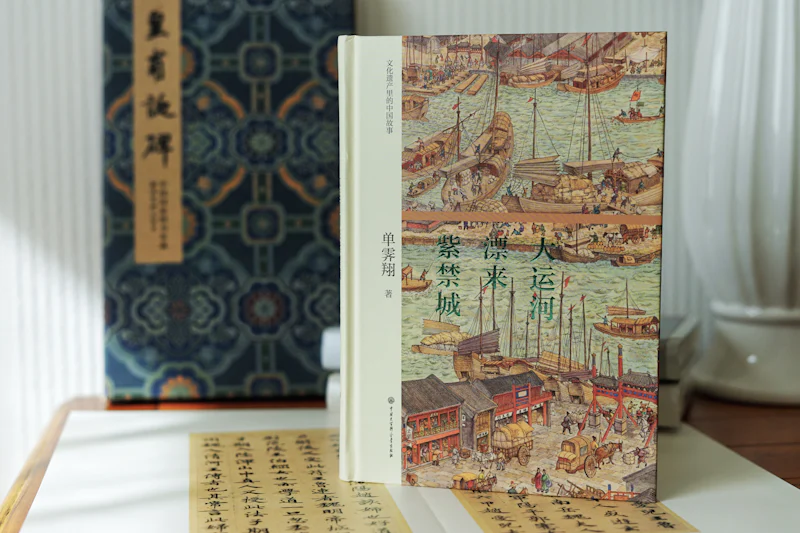
For a text-based foundation, avoid jumping straight into the 'Four Great Classical Novels' without context. Instead, start with 'Records of the Grand Historian' (Shiji) by Sima Qian. Written during the Western Han Dynasty, this text established the template for all subsequent Chinese historical writing. It is not dry academic data but a collection of biographical narratives that reveal the motivations of ancient figures. When reading, look for editions that include critical footnotes regarding the Mandate of Heaven (天命, tianming), as understanding this political philosophy is essential to deciphering why dynasties rose and fell according to traditional Chinese historiography.
Avoiding the Fantasy Trap
Many foreigners confuse the Three Kingdoms era with actual history due to the prevalence of video games and exaggerated television series like 'Romance of the Three Kingdoms' (Sanguo Yanyi). While these are vital to Chinese cultural literacy, they are historical novels, not factual records. If you want to understand the actual era, supplement your reading with the 'Records of the Three Kingdoms' (Sanguozhi), which offers a sober, bureaucratic account of the period. When watching dramas, look for the term zhengju (正剧, serious drama), which signals a production prioritizing historical adherence over romanticized martial arts sequences.
Practical Study Methods for Expats
If you are using these media to improve your language skills while learning history, use the Bilibili video platform to search for historical analysis videos. Many creators use clips from the television series 'Ming Dynasty' (Da Ming Feng Hua) to explain the specific administrative roles of the neige (内阁, Grand Secretariat). Engaging with fan-made historical commentary provides a native perspective on which historical inaccuracies are commonly accepted versus which ones are viewed as disrespectful to the original source material. Always check the production date of the film or book, as themes in Chinese historical media often shift to reflect the contemporary socio-political climate of the time they were released.
Distinguishing between poetic license and historical reality is the most effective way to gain a genuine understanding of Chinese heritage. Which specific historical era are you most interested in exploring, and have you found any sources that helped clarify the timeline for you?
Quick Takeaways:
- Prioritize zhengju dramas to find narratives grounded in historical fact over fantasy.
- Read Sima Qian’s Shiji for the foundational texts of imperial Chinese historiography.
- Use Bilibili for native commentary on historical accuracy in popular Chinese media.
- Distinguish between historical novels and official records when researching the Three Kingdoms period.
#cultureandlang #ancientchina #chinesehistory